A seasoned planner once swapped a last-minute charter for a lakeside gala in Banff — all within 48 hours — and walked away convinced that local expertise matters more than glossy brochures. This piece explores why a Destination Management Company (DMC) in Canada turns corporate incentive programs from stressful logistics puzzles into memorable, ROI-driven experiences. It frames the argument with real-world touches (an 80-person Vancouver delegation that weathered venue changes), practical benefits, and a wish-list of Canadian activities that a DMC can arrange.
Why Use a DMC: Local Expertise Meets Corporate Goals
With 46% of U.S. businesses using corporate travel incentive programs, expectations are high for experiences that feel rewarding, smooth, and on-brand. The source overview published December 28, 2024 explains why a Destination Management Company (DMC) is often the difference between a standard trip and a high-impact incentive in Canada.
Benefits of DMC Canada: Expert Local Knowledge That Fits the Brief
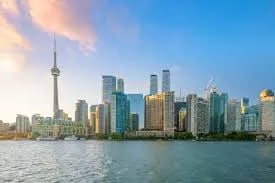
A DMC brings expert local knowledge across key incentive hubs—Toronto, Vancouver, Banff, Whistler, Montreal, Quebec City, and Ottawa. This matters because Canada’s best group moments often sit beyond guidebooks: private cultural partners, off-book venues, and seasonal experiences that require local relationships and timing.
Sarah Mitchell, Senior DMC Consultant: "Local knowledge transforms a good program into an unforgettable one—it's about permissions, personalities and places."
Local vendor ties also lead to competitive rates and, in many cases, exclusive access—useful when a company wants a private gallery viewing in Ottawa or a curated culinary event in Montreal without public crowds.
Corporate Events Planning: End-to-End Logistics, Permits, and Contingencies
Unlike a typical travel agency that focuses on bookings, a Destination Management Company DMC manages the full on-the-ground program: transportation flow, room blocks, dining, staffing, event run-of-show, and permits (including marine and park permissions). DMCs also provide bilingual support (especially valuable in Quebec) and can assist with visa guidance for international attendees.
- Regional distance planning for multi-city programs and remote resort transfers
- Weather disruption plans (backup venues, timing shifts, supplier swaps)
- Dietary and accessibility coordination across hotels, caterers, and activities
- Scalable design for any company size and budget
Dr. Andrew Cole, Corporate Travel Strategist: "DMCs handle the behind-the-scenes work that agencies rarely touch: permits, cultural alignment, and scaled logistics."
Case Reference: 80-Person Tech Delegation in Vancouver
For an 80-person tech delegation in Vancouver, the DMC handled a weather-led venue switch, secured required marine permits for waterfront programming, and delivered a dietary-inclusive gala (including allergen-safe and culturally appropriate menus). The result: leadership stayed focused on recognition and engagement while the DMC managed real-time changes.
Top 10 Canadian Incentive Experiences a DMC Can Deliver
Canada blends urban energy with natural serenity, making it ideal for incentive programs that reward performance and build team pride. A Destination Management Company (DMC) turns strong ideas into Exclusive venues activities with smooth logistics, VIP access private tours, and local partners—so Where recognition comes alive feels real, not routine.
Julia Morin, Director of Incentive Experiences: "Canada's geographic variety lets companies mix wellness, adventure, and culture into one program—DMCs stitch it all together."
- Banff National Park — helicopter sightseeing, guided wildlife viewing, and luxury spa retreats at mountain resorts.
- Vancouver Whale Watching — private boat tours for orca and humpback encounters, designed for relaxed team bonding.
- Quebec City Old Town (UNESCO) — curated walking tours, private wine tastings, and exclusive cultural evenings in historic settings.
- Toronto Ice Hockey — VIP arena experiences, private group suites, or skills sessions that energize competitive teams.
- St. Lawrence River Luxury Cruise — gourmet dining, entertainment, and scenic sailing for a high-comfort reward day.
- Niagara Falls — helicopter flights over the falls paired with winery tastings and private dining options.
- Whistler (year-round) — skiing and snowboarding in winter; zip-lining, mountain biking, or ATV tours in warmer months.
- Montreal Fine Dining — chef-led tastings and private rooms that highlight French and North American flavors.
- Cabot Trail, Nova Scotia — a scenic road trip with luxury vehicles, coastal viewpoints, and small-town cultural stops.
- National Gallery of Canada, Ottawa — private art tours and event-ready spaces for a polished, cultural incentive moment.
Across Banff Whistler Montreal Vancouver and beyond, DMCs elevate each item with exclusive timing, upgraded transportation, and behind-the-scenes access—transforming popular highlights into truly personal recognition experiences.
.jpeg)
Services, Savings, and the Logistics That Matter
Cost and time efficiency through smarter buying
In Canada, incentive programs often span multiple cities and regions—Toronto, Vancouver, Banff, Whistler, Montreal, Quebec City, and Ottawa—each with different seasons, supplier rules, and transport needs. A DMC improves Cost and time efficiency by bundling planning tasks and negotiating across the full program, not just one line item. With Established relationships local vendors, DMCs can secure Competitive rates accommodations, group transportation, dining, and signature activities while keeping quality consistent.
Marcus Li, Head of Supplier Relations: "Years of local relationships let DMCs unlock inventory and pricing that single planners rarely access."
These relationships also open doors to options that are hard to find online, such as private venue holds, preferred time slots, and value-adds that support a premium feel without inflating the budget.
Full-service support that reduces planner hours
DMCs act as a single local operator that coordinates many moving parts. This reduces internal workload and helps ensure Seamless event delivery from arrival to departure. Common services include:
- Accommodation sourcing, room blocks, and VIP handling
- Transportation planning (airport transfers, coaches, rail, private vehicles)
- Dining and buyouts, including local cultural experiences
- Adventure tours and wellness programming (spa, outdoor activities, retreats)
- Convention and event management (AV, staging, staffing, permits)
- Translation support, visa guidance, and insurance coordination
- Luxury travel arrangements and tailored itineraries for executive groups
Technology-enabled supplier selection and secure booking
Modern DMCs also use technology to speed up sourcing and reduce risk. Supplier search tools help compare venues and operators across regions, while secure, user-friendly booking interfaces support approvals, payment workflows, and documentation in one place. This improves visibility for stakeholders and keeps changes controlled.
On-the-ground support for real-time fixes
Weather shifts in the Rockies, traffic in major cities, or last-minute attendee changes can disrupt even strong plans. A DMC provides on-site teams to troubleshoot in real time, coordinate vendors, adjust schedules, and protect the guest experience—keeping the program polished, calm, and on brand.
Measuring Impact, Trends, and Purpose-Led Incentives
How to measure success in Incentive travel programs
For many organizations, Incentive travel programs are not just a reward—they are a business tool tied to Employee engagement retention, loyalty, and stronger internal networks. One industry indicator of continued demand is that 46% of U.S. businesses use corporate travel incentives, showing how common travel-based recognition has become.
With Professional destination management, measurement starts before the trip, continues on-site, and becomes clearer after participants return. Common methods include:
- Employee feedback: post-trip surveys, short pulse checks, and manager debriefs to capture what felt motivating, inclusive, and well-run.
- Performance tracking: changes in sales results, pipeline activity, customer satisfaction, or productivity in the 30–90 days after travel.
- ROI analysis: comparing total program cost to measurable outcomes (for example, incremental revenue, reduced turnover, or faster ramp-up for new leaders).
A DMC can support this by building feedback moments into the itinerary (quick QR surveys after key activities) and aligning experiences to clear goals such as mentorship, cross-team networking, or leadership development.
Trends shaping modern DMC planning in Canada
DMCs in Canada are responding to new expectations from both companies and participants. Key trends include:
- Sustainability: lower-impact transport options, local sourcing, and venues with clear environmental practices.
- Wellness programming: recovery time, guided nature walks, spa access, and balanced schedules to reduce burnout.
- Tech integration: apps and data tools to personalize agendas, manage real-time updates, and match people for networking.
- Indigenous collaboration: culturally sensitive planning and partnerships with First Nations for authentic learning and fair economic benefit.
Purpose-led incentive experiences with First Nations partners
Purpose-led incentive experiences are growing because they create meaning beyond luxury. When designed with Indigenous partners—rather than “added on” as entertainment—programs can support cultural respect, learning, and stronger team connection.
Elena Torres, Head of Corporate Rewards: "Purpose-led incentives—especially those built with Indigenous partners—create deeper connections and more authentic recognition."
Scalability across budgets and group sizes
A DMC can scale programs for a small leadership retreat or a large delegation by adjusting hotel blocks, transportation plans, and activity formats—while keeping the experience consistent and measurable across tiers.
Wild Card: Two Short Scenarios and a Creative Analogy
Scenario A: Group incentive travel and the 48-hour pivot
A corporate Group incentive travel program lands in Banff for a signature winter gala. Then a storm warning hits: roads tighten, suppliers pause, and the original venue can no longer host safely. Within a 48-hour turnaround, the DMC shifts the event indoors, secures a comparable space, and rebuilds the guest flow so the experience still feels premium. Transfers are rebooked to match new pickup windows, timing is adjusted to avoid weather pinch points, and menus are reprinted to reflect the updated service plan. Just as important, the DMC manages the unpredictable details—permits, safety checks, and cross-region vendor coordination—so company leaders can stay focused on recognition, not rescue.
Lucas Graham, Event Crisis Manager: "The best DMCs are proficient improvisers—they plan like mathematicians and adapt like jazz musicians."
Scenario B: Team motivation recognition through a purpose-led expedition
A mid-sized firm wants more than a “trip.” It wants Team motivation recognition that lasts beyond the return flight. With a DMC’s help, the company builds a mentorship layer into a Cabot Trail itinerary: senior leaders are paired with high-potential employees, and each day includes short, structured reflection sessions—what was learned, what will be applied, and who will be supported next. The DMC designs the pacing so the program never feels like a meeting in disguise: scenic drives, local culture, and shared meals create natural conversation, while planned prompts keep the mentorship meaningful. The result is a reward that also strengthens leadership habits and internal networks.
Analogy: A DMC as a local orchestra conductor
A DMC works like a local orchestra conductor—selecting the right soloists (vendors), balancing sections (transport, hotels, dining, activities), and tempering tempo (timing) so every moment lands on cue. When weather shifts, permits change, or cross-province logistics get complex, the conductor keeps the music moving. That is why DMC-led Wellness nature programs—from Banff recovery time to mindful outdoor sessions—feel effortless: the audience experiences the finale, while the conductor manages the score behind the scenes.
.jpg&w=256&q=75)