A travel director remembers landing in Udaipur one misty morning and watching a team—previously siloed by daily routines—share a private breakfast on the Taj Lake Palace jetty. That fragile, human shift from colleagues to collaborators crystallized a key truth: incentive travel in India can be transformational, but only when logistics, culture and creativity are in expert hands. This outline explores why Destination Management Companies (DMCs) are the linchpin for successful corporate programs across India’s diverse destinations.
Why India? A mosaic of incentives and settings
Diverse backdrops for every incentive travel goal
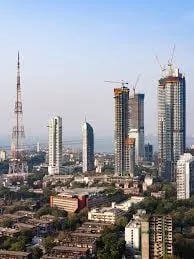
For planners building incentive travel programs in 2026, India offers a rare mix of settings within one country. In Mumbai, teams can tap into fast-paced city energy with skyline venues and iconic stops like the Gateway of India. Delhi adds heritage layers and strong conference infrastructure. Rajasthan delivers “wow” moments through forts, palaces, and desert landscapes—ideal for recognition-led rewards and gala nights.
Nature-led programs are equally strong. Kerala’s backwaters support slower, bonding-focused itineraries via luxury houseboats and local cuisine. Himachal Pradesh and Rishikesh bring outdoor challenge and reset—trekking, rafting, and meditation—while Goa provides beachside celebrations and water sports for high-spirited groups. This spread across 11 headline destinations (Mumbai, Delhi, Kerala, Rajasthan, Agra, Jaipur, Udaipur, Rishikesh, Goa, Jaisalmer, Himachal Pradesh) helps companies match experiences to behaviors they want to reward.
Ravi Menon, MICE Strategist: "India’s sheer variety lets companies design incentive journeys that target specific behaviors—wellness in Rishikesh, prestige in Udaipur, or adrenaline in the Himalayas."
Cultural resonance that strengthens engagement
India incentive travel stands out because culture is not a backdrop—it is the program. Groups can move from a sunrise visit to the Taj Mahal in Agra to a private dinner concept in Udaipur at the Taj Lake Palace in the “City of Lakes”. In Jaipur and Jaisalmer, curated folk music, craft trails, and desert safaris create shared stories that support team identity and brand storytelling. Culinary variety also adds easy, high-impact moments, from street food walks in Delhi to fine dining in Mumbai and regional cooking sessions in Kerala.
Practical upside for inbound international and tier cities
India is cost-competitive for premium experiences, and air connectivity continues to improve—supporting inbound international MICE demand from Asia, the Middle East, and Europe. Industry insights also point to India’s MICE market growing at an estimated 8–10% CAGR to ₹35,000–40,000 crore by 2026. Domestic MICE is expanding into tier cities such as Jaipur and Kochi, now contributing 35–40% of activity, giving planners more venue choice and better value. Wellness is another advantage: India is increasingly highlighted as a top wellness destination alongside Thailand, with Rishikesh—the “Yoga Capital of the World”—supporting structured retreats and recovery-focused incentives.
The DMC difference: local knowledge, customization, logistics
Local intelligence that makes destination management work
India’s scale and diversity make incentive travel rewarding, but also complex. Strong destination management starts with local intelligence: knowing how customs, languages, and etiquette change between Mumbai, Delhi, Rajasthan, Kerala, and the Himalayas. A Destination Management Company (DMC) uses this insight to build culturally sensitive programs, secure the right partners, and avoid small missteps that can affect VIP groups.
Aisha Kapoor, CEO, Ovation DMC: "Corporate programs succeed when local nuance is honoured—DMCs turn cultural authenticity into measurable engagement."
This local knowledge also supports the “Slow MICE” trend, where groups spend more time in fewer places for deeper connection—rather than rushing through a checklist of sights.
Hyper-personalization through personalization design
In 2026, incentive programs are expected to feel personal, not generic. DMCs lead personalization design by aligning experiences to business goals (recognition, retention, team bonding) and attendee profiles (first-time visitors, executives, wellness seekers). This is where hyper personalization becomes practical: curated moments that match the group’s pace, preferences, and cultural comfort level.
- Luxury recognition: private dinners at Taj Lake Palace in Udaipur, the “City of Lakes.”
- Nature and bonding: Kerala houseboat journeys with local cuisine and relaxed networking.
- Wellness focus: yoga and meditation retreats in Rishikesh, the “Yoga Capital of the World.”
Research insights also suggest partnering with local DMCs like Ovation for authentic experiences in emerging markets, where relationships and on-ground access matter most.
Logistics mastery and event management across a vast country
Even the best itinerary fails without reliable logistics. India’s varied infrastructure, flight connections, and travel times require tight coordination. A DMC manages end-to-end event management and movement planning so participants stay focused on the reward, not the routing.
- Airport transfers and daily transport schedules
- Premium accommodation blocks and rooming control
- Venue sourcing and exclusive access (where possible)
- Translation assistance and local staffing
- Visa support and documentation guidance
- On-ground crisis handling and last-minute changes
As highlighted in the January 1, 2025 article by Josh, this operational layer is often the difference between a stressful multi-city program and a seamless incentive experience.
.jpeg)
Top 10 incentive experiences DMCs curate in India
In 2026, incentive travel growth is being driven by experiential, cultural experiences, wellness retreats, and sustainability-aware programs. India’s variety helps companies deliver stronger recognition and deeper engagement—when a DMC shapes the details, access, and flow.
- Taj Mahal, Agra: Guided sunrise visits, exclusive-access style routing, and monument-legacy scavenger hunts designed for team building India.
- Udaipur luxury retreats (City of Lakes): High-recognition stays and gala evenings at Taj Lake Palace, with heritage décor, curated entertainment, and VIP hosting.
- Kerala backwaters: Private houseboat journeys with chef-led South Indian menus, calm networking time, and bonding activities on deck.
- Himalayan adventure (Himachal Pradesh): Trekking and paragliding programs built around safety, pacing, and group motivation.
- Rishikesh wellness retreats (Yoga Capital of the World): Yoga, meditation, and spa-led recovery sessions that support performance, focus, and stress reset.
- Jaipur cultural immersion: Fort-and-palace routes, artisan interactions, and curated cultural evenings; select programs include elephant safaris where appropriate and compliant.
- Goa beach incentives: Beach Olympics, water sports, private sunset parties, and nightlife planning with controlled logistics and security.
- Jaisalmer desert safaris: Camel rides, dune bashing, luxury desert camps, and folk music nights under the stars for standout recognition moments.
- Culinary journeys (Delhi + Mumbai): Street-food walks in Delhi, fine dining in Mumbai, cooking classes, and food festivals—hands-on, sensory team building.
- Mumbai urban experiences: City highlights, Bollywood studio visits, and photo missions around the Gateway of India for high-energy group content.
Dr. Priya Sharma, Head of Corporate Travel Insights: "Mixing a palace gala with hands-on culinary sessions creates layered memories—exactly what incentive travel should aim for."
Industry trends, projections and practical numbers
MICE industry outlook: India growth in 2026
India’s MICE industry is moving from “emerging” to “mainstream” for corporate planners. Current forecasts point to 8–10% CAGR, taking the market to roughly ₹35,000–40,000 crore by 2026. This momentum is supported by stronger hotel inventory, better event infrastructure, and improved air connectivity that makes multi-city programs easier to run across Mumbai, Delhi, Goa, Kerala, Rajasthan, and the Himalayas.
Incentive travel is rising as an employee engagement tool
Incentive travel is expected to surge in 2026 as companies use experiences—not only cash rewards—to improve employee engagement and retention. Practical benchmarks help build internal ROI cases: 41% of companies ran incentive programs in 2025, and incentive travel growth is projected at 12–15%. This is driving demand for “wow” moments such as private heritage dinners in Udaipur’s City of Lakes, wellness blocks in Rishikesh (the Yoga Capital of the World), and curated cultural access in Agra and Jaipur.
Domestic demand shifts to Tier-II cities; inbound MICE expands
Domestic demand is reshaping where events happen. Tier-II destinations such as Jaipur and Kochi now contribute about 35–40% of MICE activity, helped by improved flight networks and better venue options. At the same time, inbound MICE is rising, with stronger interest from Asia, the Middle East, and Europe, especially for India’s mix of luxury, culture, and nature.
Anand Verma, Industry Analyst: "Numbers show India is not only growing—it's diversifying. Tier-II cities are becoming reliable workhorses for MICE activity."
Trends planners should budget for (practical implications)
- Slow MICE: fewer cities, longer stays, deeper local experiences (e.g., Kerala backwaters or Jaisalmer desert camps).
- Hyper-personalization: role-based itineraries (leaders vs. top performers) and choice-driven activities.
- Bleisure: add-on leisure days in Goa, Udaipur, or Himachal Pradesh.
- Line items for cultural programming, wellness components, and local partnerships—areas where a DMC reduces risk and improves value.
| Metric | Practical number |
|---|---|
| India MICE projected CAGR (to 2026) | 8–10% |
| Projected market value by 2026 | ₹35,000–40,000 crore |
| Companies running incentive programs (2025) | 41% |
| Incentive travel growth rate | 12–15% |
| Tier-II share of domestic MICE | 35–40% |
Planning checklist, risks and a couple of wild cards
Planning checklist for business travel that drives employee engagement
For Incentive Travel in India 2026, planning starts by linking the trip to clear outcomes, not just destinations. The first step is to define what “success” means for employee engagement: recognition, cross-team trust, or behavior change after the trip. Next, partner early with a local DMC to translate goals into a realistic route across India’s varied regions and seasons, especially for slow MICE programs that favor fewer cities, deeper experiences, and less travel fatigue.
Vendor agreements should be locked with clear service levels, cancellation terms, and backup suppliers. Exclusive access must be confirmed in writing for high-demand moments—such as heritage dinners in Udaipur’s City of Lakes or timed entries in Agra—so the “wow” elements do not become last-minute compromises. Logistics should include buffers for flights, road transfers, and security checks, plus optional bleisure extensions in Goa, Kerala, or Mumbai to increase perceived value without disrupting the core agenda.
Risk controls and on-ground event management
India rewards good planning, but it also tests it. A DMC’s event management team should run a live operations plan: local emergency contacts, hospital mapping, translation support, and real-time coordination with hotels, transport, and venues. Contingency plans should cover weather shifts (monsoon, heat), route delays, and VIP protocol changes. As Josh noted on January 1, 2025, the complexity is best handled with on-ground crisis management that keeps the program moving while participants stay focused on recognition and connection.
Meera Joshi, Head of HR Programs: "When logistics vanish into the background, recognition and team dynamics come into focus—that's the DMC impact."
KPIs and post-trip measurement
To prove ROI, set KPIs before travel and measure after: participant NPS, repeat participation rate, and qualitative behavior-change indicators gathered through surveys and manager feedback. This closes the loop between experience design and outcomes.
Two wild cards to plan for
Wild card #1: a summit switches cities with 48 hours’ notice. A DMC can re-route flights, re-issue rooming lists, move vendor teams, and rebuild permits while protecting key moments like the Gateway of India or a Rishikesh wellness block. Wild card #2: treat the DMC like an orchestra conductor—many instruments, one performance—turning culture, logistics, and timing into a single, resonant journey.
.jpg&w=256&q=75)