The piece opens with a short, human anecdote: a planner who swapped a generic resort reward for a sunrise hot-air balloon over Cappadocia and watched team dynamics change overnight. From there it sets an educational tone, explaining how Destination Management Companies (DMCs) in Turkey convert cultural richness and logistical complexity into tailored incentive outcomes—melding history, luxury and practical support.
Unexpected Advantages: Why a DMC Elevates Incentives in Turkey
In the December 30, 2024 article by Josh, Turkey is positioned as a rare “East meets West” destination where incentive design can mix history, luxury, and nature in one program. The unexpected advantage is that a Destination Management Company Turkey partner does more than “book and schedule”—it increases the perceived value of the reward, reduces risk for large groups, and unlocks experiences independent planners often cannot access.
Josh: “Turkey’s blend of East and West makes incentive design endlessly creative—DMCs translate that into memorable team moments.”
Deep local expertise that opens doors (and solves hidden constraints)
Turkey’s top incentive regions—Istanbul, Cappadocia, Antalya, Bodrum, Mount Ararat, Ephesus, Pamukkale, Gaziantep, and Konya—each has different rules, traffic patterns, seasonal limits, and supplier quality. A DMC’s local knowledge secures venues and specialist suppliers not available to independent planners, from preferred guides at Hagia Sophia to boutique cave restaurants in Cappadocia that can handle private groups without disrupting service.
Tailored incentive programs that feel more valuable than a generic reward
One-size-fits-all trips can feel like “just another company getaway.” In contrast, corporate incentives Turkey become more motivating when a DMC designs the itinerary around a clear purpose: recognition, team cohesion, leadership bonding, luxury downtime, or wellness. This is where DMC services Turkey directly support engagement and retention—participants feel the company invested in an experience that matches their interests (culture, adventure, food, or spa-focused relaxation).
- Recognition: private Bosphorus dinner cruise after a Topkapi Palace visit
- Team cohesion: Grand Bazaar scavenger hunt with guided debrief
- Wellness: Antalya resort spa blocks plus beach activities
- Cultural depth: Konya Sema ceremony and Mevlana Museum experience
On-the-ground support that reduces operational risk for large groups
Large-group travel has real-time variables: weather shifts, delayed flights, venue timing changes, and VIP needs. Onsite DMC teams provide same-day problem solving, protecting the schedule and the guest experience while freeing internal organizers to focus on people, not logistics.
Leyla Demir, DMC Director: “Local contacts and real-time support turn ambitious plans into smooth experiences—organizers breathe easier.”
Exclusive access that makes Turkey feel “once-in-a-career”
Josh highlights that DMCs can secure privileged access—private yacht charters on the Bosphorus, after-hours museum-style touring, and curated regional moments that are normally closed to independent visitors. These upgrades create standout memories across Istanbul, Bodrum sailing routes, Ephesus private guiding, and Pamukkale thermal experiences.
Quick anecdote: choosing Cappadocia ballooning over a standard resort stay
One planner initially leaned toward a simple Antalya resort reward. After a DMC proposed sunrise Cappadocia hot air ballooning paired with a short hike and a cave-restaurant dinner, the company chose the Cappadocia option. The result was stronger participation and more post-trip sharing—because the reward felt rare, personal, and story-worthy.
- Deep Local Expertise
- Tailored Programs
- Seamless Logistics
- Exclusive Experiences
- On-the-ground Support
Top 10 Incentive Activities: A Practical Playbook
For incentive travel Turkey, a DMC can combine culture, friendly competition, and comfort in a way that fits different budgets and group sizes. Research insights show that mixing cultural moments with team challenges often drives higher engagement, while offering both luxury and adventure helps include different traveler types.
Josh: "Pairing an iconic experience—say, Cappadocia at dawn—with a shared meal can shift a perk into a memory."
-
Historical Istanbul Excursions + Bosphorus Dinner Cruise
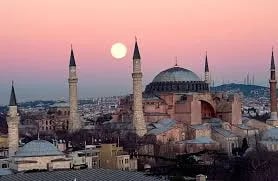
Guided visits to Hagia Sophia, Topkapi Palace, and the Blue Mosque, followed by a private Bosphorus yacht charter or dinner cruise where Europe meets Asia. This pairing works well for “learning + reward.”
-
Cappadocia Hot Air Balloon at Sunrise
A Cappadocia hot air balloon flight over fairy chimneys, then a choice of team hikes, vineyard visits, or local wine tastings. Ballooning is season-sensitive, so a DMC typically builds backup plans for wind days.
-
Antalya Beach-Based Team Building
Classic team building Turkey options: beach volleyball tournaments, resort-based challenges, and wellness or spa retreats along the Turkish Riviera. Coastal programs peak in summer, so timing matters for heat and crowd levels.
-
Ephesus Explorations (Private Archaeology Focus)
Private tours of the Library of Celsus, the Great Theatre, and the Temple of Artemis area. A DMC can add expert guides and smooth transfers to keep the day efficient for corporate groups.
-
Pamukkale + Hierapolis Wellness Day
Soaking in the thermal travertine pools and exploring Hierapolis ruins. This is a strong “reflection + recovery” option after high-energy activities.
-
Culinary Workshops in Istanbul or Gaziantep
Hands-on cooking sessions focused on kebabs, mezes, and baklava, led by local chefs and ending with a shared meal. Local food experiences often create fast bonding because everyone contributes to the table.
-
Mount Ararat Adventures for Active Teams
Trekking and team challenges in legendary mountain landscapes. A DMC can scale routes and safety support based on fitness levels and time available.
-
Bodrum Luxury Experiences
Sailing, snorkeling, and private team dinners on the Aegean. This is ideal for recognition-focused groups that want a premium pace without intense logistics.
-
Konya Cultural Immersion (Sema Ceremony)
A private Sema ceremony performance, Mevlana Museum visits, and exposure to Rumi’s poetry and the whirling dervish tradition—best for teams seeking meaning and cultural depth.
-
Grand Bazaar Team Challenge (Istanbul)
An interactive scavenger hunt through the Grand Bazaar that blends culture with friendly competition. Marketplace challenges are a proven way to spark communication, negotiation, and shared stories.
.jpeg)
Essential DMC Services and Logistical Checklists
Strong DMC services Turkey are the difference between a good idea and a program that runs smoothly on the ground. For Turkey incentive programs, a DMC typically manages the full service chain—people, permits, suppliers, and timing—so corporate planners can focus on outcomes like recognition, motivation, and team connection.
Josh: "The real value of a DMC isn't just ideas—it's having the people and contracts to execute them under pressure."
Core DMC services Turkey teams rely on
A DMC acts as a single operational hub, especially helpful for multinational groups moving across Istanbul, Cappadocia, Antalya, Bodrum, and heritage sites.
- Airport Transfer: meet-and-greet, group coaches, VIP cars, luggage handling, and flight monitoring.
- Visa support: guidance on entry rules, invitation letters when needed, and timeline control to reduce last-minute issues.
- Translation: interpreters for site visits, workshops, and executive meetings; multilingual staffing for arrivals and events.
- MICE services Turkey: meeting production, AV, staging, registration desks, signage, and run-of-show management.
- Team Building: structured activities like Grand Bazaar challenges, culinary workshops, or outdoor adventures with safety oversight.
- Private Events: gala dinners, Bosphorus cruises, and branded moments with permits, entertainment, and vendor control.
Accommodation and venue sourcing (and why booking early matters)
Venue selection in Turkey often depends on relationships and availability. A DMC sources and contracts options that match both brand level and logistics:
- Luxury hotels with executive floors, spa access, and group-friendly dining.
- Business centers and meeting spaces for strategy sessions and awards presentations.
- Cave restaurants in Cappadocia for high-impact dinners in unique settings.
- Private yachts for Bosphorus or Aegean experiences with controlled guest flow.
- Heritage venues near landmarks such as Hagia Sophia areas, Ephesus, and Pamukkale (subject to rules and permits).
Research insight: advance booking is essential for exclusive experiences like private museum access and yacht charters, especially in peak seasons.
Operational readiness and on-the-ground support
Turkey’s variety—coastal resorts, busy city traffic, and weather-sensitive regions like Cappadocia—requires active contingency planning. On-site DMC teams typically prepare backup transport, alternate indoor venues, and timing buffers for delays, plus rapid re-routing when flights shift or weather affects ballooning or sea conditions.
International coordination for consistent standards
Many DMCs use international partnerships to scale programs across borders while keeping service levels consistent. This helps companies run multi-country incentives or extend Turkey programs with the same reporting, supplier standards, and attendee experience.
Copy-and-use planner checklist
- Confirm visa requirements by nationality and set internal deadlines.
- Book private-access experiences early (museums, yachts, heritage venues).
- Lock airport transfer schedules with flight monitoring and backup vehicles.
- Assign translation needs (arrival desks, meetings, tours, medical situations).
- Confirm medical support: nearest hospitals, on-call doctor, and insurance details.
- Approve MICE run-of-show: AV specs, branding, seating plans, and timing.
Strategic ROI: Aligning Incentives with Business Goals (and a Few Legal Notes)
When a company designs Employee Incentives in Turkey with a DMC, the goal is not only to “reward,” but to drive measurable business outcomes. A well-built program connects the experience value of Istanbul, Cappadocia, Antalya, or Bodrum to clear targets such as higher retention, stronger sales performance, or faster team ramp-up after a reorg. A DMC helps translate those goals into the right mix of activities, pacing, and on-the-ground support, so the trip feels seamless while still serving a business purpose.
Hybrid reward design: experience plus Financial Incentives
Many companies already use a taxonomy of Financial Incentives—monthly or annual bonuses, commissions, profit sharing, and share options. DMC-led travel works best as a complement to these tools, not a replacement. Hybrid approaches (experience + monetary) tend to score well on engagement and retention metrics because employees feel both recognized and supported in practical terms.
Josh: “Incentive travel should complement—not replace—financial incentives; the mix is where long-term ROI lives.”
For example, a sales team might earn a tiered bonus (cash) while top performers also receive a curated Turkey experience (recognition, belonging, and motivation). The DMC can tailor the itinerary—private Bosphorus dining, a Cappadocia sunrise balloon flight, or a team challenge in the Grand Bazaar—so the “why” of the reward is obvious and tied to performance.
Cost modeling and Tax Benefits: a few Turkey-specific signals
Some planners also explore Turkey-related Investment Incentives and possible Tax Benefits that can affect budgeting, especially when programs connect to broader market entry, brand building, or strategic spend. One example often referenced in export and brand growth planning is the TURQUALITY program, which offers targeted financial support with a 50% support rate on strategic expenditures (eligibility and scope vary). Recent regulatory changes can also influence assumptions: Decree 9903 (May 2025) introduced the Turkish Century Development Initiative, and corporate income tax incentives for certificates issued after July 2025 may be capped at 10 years, which can change long-range ROI models.
Dr. Murat Kaya, Tax Counsel: “Planners must factor VAT exemptions, customs duty relief and possible corporate tax incentives into total program costings.”
Minimum thresholds matter in some strategic schemes (for example, TRY 50 million fixed investment for Strategic Investment Scheme; project-based programs often target projects over TRY 2 billion, with HIT-30 also referencing TRY 2 billion in priority tech fields). Because rules and eligibility are case-specific, companies should consult local tax and legal advisors on items such as VAT exemptions, corporate tax reductions, and incentive certificates.
Measuring ROI: from event sentiment to performance KPIs
To keep incentives accountable, companies can track Net Promoter Score (NPS) for the event, post-trip surveys at 30/90 days, and performance-linked KPIs such as retention, sales uplift, pipeline velocity, or internal mobility. With a DMC managing logistics and exclusive access, organizers can focus on measurement and follow-through—turning a memorable Turkey program into a repeatable, data-backed incentive strategy that supports both people and profit.
.jpg&w=256&q=75)