

A planner once landed in Shanghai with a suitcase full of ideas and no local partner — the result was a frantic week of phone calls and missed venue opportunities. This outline approaches China as a layered canvas: ancient sites, ultra-modern skylines and an often-misread logistics map. It frames why a Destination Management Company (DMC) is not just useful but central to success, and it sketches concrete program ideas, calendar intelligence for 2026, plus cultural hooks that make events memorable.
Why a DMC Is Essential: Local Knowledge + Operational Muscle
For Corporate events China in 2026, the biggest risk is rarely the big idea—it is execution across a country with major regional differences, fast-moving cities, and strict operational details. A strong DMC China partner turns strategy into a working plan on the ground. In the December 26, 2024 article by Josh, DMCs (including the example DMC reCAPTCHA) are positioned as the practical link between global standards and China’s local realities.
Josh, Corporate Events Writer: “Local partners turn grand plans into executable reality in China — cultural nuance matters more than planners expect.”
Cultural fluency that prevents awkward missteps
China is not one uniform market. Protocol, dining etiquette, gifting norms, and even meeting styles can vary between Beijing, Shanghai, Guangzhou, and second-tier cities. Language differences also matter: Mandarin is common, but local dialects and business communication habits can change by region. A DMC China team helps align run-of-show details with local expectations—so VIP greetings, stage moments, seating plans, and hosted experiences feel respectful and smooth.
This cultural guidance is especially valuable for Business events China that include government-linked venues, high-level partners, or mixed international audiences. The goal is simple: avoid friction, protect brand reputation, and keep attendees focused on the content and relationships.
End-to-end logistics for complex, multi-city programs
China’s scale makes logistics a full-time job. A DMC coordinates the operational chain, including:
- Visa support and invitation documentation workflows
- Airport transfers via major hubs in Beijing, Shanghai, and Guangzhou
- Intercity routing using the high-speed rail network and domestic flights
- Hotel contracting, rooming lists, and on-site check-in support
- 24h reception services for late arrivals, changes, and attendee care
- Security solutions and risk planning for VIPs and large groups
- Event tech integration (registration, badge printing, translation, AV coordination)
For B2B trade shows, this operational muscle is critical. Messe Frankfurt, for example, organizes over 60 trade shows in Asia, with 46 held in Greater China—a reminder of how active and competitive the market is, and how much planning discipline is required to deliver a professional experience.
Vendor leverage: better rates and access that outsiders cannot get
One of the most practical benefits of a DMC is supplier power. Long-standing local relationships often mean better pricing, faster problem-solving, and access to venues that are difficult to secure independently. This can include premium city venues and “once-in-a-lifetime” settings such as private cultural spaces or landmark locations—without losing control of safety, permits, and timing.
Liang Wei, Head of reCAPTCHA DMC: “Exclusive access and local trust are the invisible ROI of a good DMC.”
In short, a capable DMC China partner combines cultural insight with logistics control and vendor leverage—three essentials for delivering consistent, high-impact Corporate events China across regions and formats.
Signature Activities & Venues: 10 High‑impact Ideas
In 2026, standout corporate programs in China are built around signature venues and hands-on experiences that mix culture with modern event tech. This approach supports stronger engagement at China business exhibitions and creates memorable moments for delegates who also attend major trade shows such as the Canton Fair Guangzhou. As Anna Müller, Messe Frankfurt Asia, notes:
"Signature venues turn attendee curiosity into storytelling moments — they remember the place long after the slides fade."
Many organizers partner with a China-focused DMC to secure exclusive access, manage permits, and align each activity with business goals—especially for Incentive travel China programs that require tight logistics across regions.
-
Gala Dinner on the Great Wall (UNESCO) — iconic PR backdrop
A private gala on selected Great Wall sections delivers instant brand impact and photo-ready storytelling. With UNESCO context and controlled guest flow, it suits awards nights, partner celebrations, and VIP hosting.
-
Team-building in Guilin — Li River kayaking + karst hikes
Guilin’s natural scenery supports adventure-based incentives: kayaking on the Li River, guided hikes, and group landscape painting for creative bonding.
-
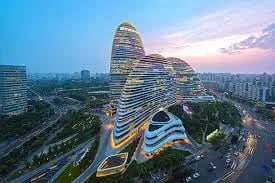
Workshops in Shanghai skyscrapers — Shanghai business events with skyline views
Shanghai Tower and Jin Mao Tower offer high-tech meeting floors for investor showcases, leadership offsites, and product briefings—ideal for premium Shanghai business events that need strong production and panoramic impact.
-
Incentive programs in Zhangjiajie — glass bridge + Tianmen Mountain
Known for landscapes linked to Avatar, Zhangjiajie is built for high-energy incentives: glass bridge walks, cable cars, and Tianmen Mountain routes that reward performance teams.
-
Networking in Beijing’s Forbidden City (UNESCO) — gravitas for VIPs
Private tours and curated functions near historic halls add authority to executive networking. Historic venues like this naturally elevate keynote themes and partner relations.
-
Luxury cruise & banquet on Shanghai’s Huangpu River
A cruise with skyline views of the Bund supports sponsor hosting, client dinners, and relaxed networking—often enhanced with live music and modern AV.
-
Cultural workshops in Suzhou — tea, calligraphy, silk
Mixing cultural craft (tea ceremonies, calligraphy, silk weaving) with light digital storytelling (QR-led exhibits, instant photo sharing) boosts participation. Dr. Mei Chen adds:
"Culinary and craft workshops create a personal bond with place and team."
-
Adventure on Mount Huangshan — hiking + photography
Huangshan’s trails, cable cars, and sunrise viewpoints fit wellness-focused incentives and leadership resilience themes.
-
Historic immersion in Xi’an — Terracotta Warriors + themed dinners
Xi’an adds depth through museum-led tours, talks on ancient strategy, and Tang Dynasty-inspired banquets—strong for VIP storytelling and brand heritage themes.
-
Culinary experiences in Chengdu (UNESCO City of Gastronomy)
Sichuan cooking classes and private dining create high engagement and easy team interaction—an effective finale for incentive groups.
For companies combining conferences with China business exhibitions—including trips anchored around the Canton Fair Guangzhou—these experiences help extend delegate stay, deepen relationships, and turn standard agendas into shareable stories.
.jpg)
Calendar, Trade Shows and 2026 Intelligence
For planners designing memorable corporate events in China in 2026, the calendar matters as much as the venue. China’s main event hubs—Shanghai, Beijing, Shenzhen, and Guangzhou—run on busy exhibition cycles that affect flights, hotel rates, and venue availability. A smart approach is to map upcoming business events first, then build meetings, incentives, and networking around them with support from a Destination Management Company (DMC) that can manage local logistics and supplier access.
Key March 2026 dates to watch (Shanghai and East China)
Multiple March 2026 business events are planned across Shanghai and other hubs, making March a high-demand month for corporate programs. Organizers should confirm final schedules directly with show owners, but the following are key anchors for early planning:
- China Trends Forum — March 20, 2026, Pudong Shangri‑La, Shanghai (organized by the American Chamber of Commerce).
- East China Fair — Shanghai (date to be confirmed with organizers).
- Shanghai International Digital Textile Printing Expo — Shanghai (date to be confirmed with organizers).
- China International Fashion Fair — Shanghai (date to be confirmed with organizers).
Evelyn Park, Trade Events Analyst: "Aligning a corporate program with a major trade show can multiply networking potential—timing is everything."
Major recurring fairs that shape 2026 planning
Trade shows remain one of the fastest ways to meet verified manufacturers and understand fast-moving supply chains. This is why Trade shows China calendars are often used as the backbone for sourcing trips, partner summits, and product launches.
| Event | City | Why it matters for corporate events |
|---|---|---|
| Canton Fair Guangzhou | Guangzhou | High-volume sourcing; ideal for buyer meetings, factory visit programs, and supplier awards. |
| Robot Show | Shanghai | Strong fit for innovation themes, demos, and executive roundtables. |
| Auto China 2026 | Beijing | Best for automotive partner conferences and media-facing launches. |
| WAIC 2026 | Shanghai | AI leadership content; works well with thought-leadership forums and VIP networking. |
Using trade-show calendars to increase attendance
When corporate gatherings are scheduled alongside Shanghai trade shows or major Guangzhou and Beijing exhibitions, attendance often improves because guests can justify travel with two goals: business development and event participation. A DMC can also secure time-sensitive items—group transport, interpreters, and compliant venue setups—while keeping programs culturally appropriate.
Mark Liu, Logistics Director: "Advance planning around March 2026 shows is critical — venues and hotels book fast during peak fair weeks."
2026 intelligence: who runs the show ecosystem
Large organizers influence venue demand across China. Messe Frankfurt runs 60+ trade shows in Asia, with 46 held in Greater China cities including Beijing, Chengdu, and Guangzhou. Tracking these organizer calendars helps planners spot clashes early and lock in space before peak weeks.
Program Design: Cultural Integration, Tech and Practicalities
In 2026, strong Corporate events planning in China is built on one clear idea: programs feel most memorable when culture and technology work together, and when logistics are handled with care. This is where a Destination Management Company (DMC) becomes central—aligning creative choices with on-the-ground realities, from permits and suppliers to guest experience across regions.
Cultural integration that feels authentic (not staged)
China’s best programs blend modern business goals with local moments that guests can feel and understand. A welcome sequence might pair a lion dance with a short story about its meaning, followed by a tea ceremony that becomes a calm networking break. Dr. Li Xiu, Head of Cultural Programs, explains the value of this approach:
When culture is authentic and seamless, it becomes the event’s secret ingredient.
DMC-led cultural workshops also help teams connect beyond the meeting room. Suzhou sessions can include calligraphy and silk weaving; Chengdu can host Sichuan cooking classes; Xi’an can deliver Tang Dynasty–themed dinners that support leadership themes like strategy and resilience. These elements work especially well around Business conferences China agendas, where attendees want both learning and a sense of place.
Event tech that increases engagement and measurement
For Technology exhibitions China and conference programs, hybrid design is now a baseline expectation. Hybrid streaming supports remote stakeholders, while live-translation services and interpretation booths reduce language friction for international groups. Attendee apps, QR-based check-in, and real-time polling make sessions more interactive and provide measurable outcomes, such as session ratings, dwell time, and lead capture. As Samuel Brooks, Event Tech Specialist, notes:
Hybrid readiness is no longer optional — it's part of every modern corporate agenda.
China’s policy focus on consumption growth and tech upgrade also shapes themes and exhibitor presence, so program tracks often perform better when they include innovation showcases, buyer-supplier matchmaking, and curated site visits that highlight China sourcing opportunities.
Practicalities: access, security, and 24h support
International attendance depends on smooth entry and safe movement. DMCs commonly provide visa support, supplier vetting, VIP amenities, and on-site security solutions, plus 24h reception for late arrivals and urgent changes. This operational layer is not “extra”—it protects schedules, speakers, and brand reputation, especially when contingency planning is needed for geopolitical tensions or shifting trade and regulatory regimes.
Connectivity: design the route, not just the agenda
China’s high-speed rail network makes multi-city programs realistic, but only when transfers are planned as part of the experience. Smart routing typically starts with arrivals through Beijing, Shanghai, or Guangzhou airports to reduce transit time, then uses rail for regional moves that keep groups together and on schedule. When culture, tech, and logistics are designed as one system, corporate events in China become easier to run—and far harder for attendees to forget.
.jpg&w=256&q=75)