A seasoned planner once watched a gala dinner begin at dusk on Udaipur’s shimmering Lake Palace while a parallel webinar streamed to ten countries — the contrast captured India’s rare mix of theatrical venues and connected logistics. This outline explores why India matters for corporate events and how Destination Management Companies (DMCs) turn complexity into polished experiences. Expect venue scouting, local cultural 'pit stops,' and a few off-script observations about how a palace, a backwater houseboat and a Mumbai skyline can all serve the same brand story.
Why India? Venues, Connectivity & Cultural Richness
Venue variety that fits every agenda in Corporate Events India
India is a strong choice for Corporate Events India because it offers a wide mix of settings that support different formats—large conferences, incentive travel, leadership offsites, and team retreats. Planners can move from royal heritage to modern business infrastructure without changing the destination.
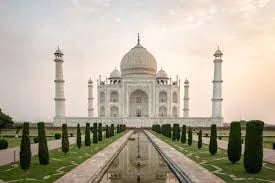
- Luxury palaces & heritage icons for gala nights and VIP hosting, such as Lake Palace (Udaipur), Amber Fort, and experiences around the Taj Mahal.
- Modern convention centres for high-capacity meetings and exhibitions, including The Leela Ambience Convention Hotel (New Delhi) and The Lalit (New Delhi)—ideal as a primary Corporate Event Venue for plenaries and breakouts.
- Nature-led retreats for strategy and wellness, from houseboats in Alleppey and Kumarakom to the Nilgiri Hills and adventure programs in Rishikesh.
- Coastal resorts & city landmarks for incentives and networking, including Goa and dinners near Mumbai’s Gateway of India.
Global gateways and easy multi-city movement
India’s connectivity supports both international arrivals and multi-city itineraries. The main international entry points—New Delhi (DEL), Mumbai (BOM), and Bengaluru (BLR)—make it practical for global delegates to join with fewer routing issues. Strong domestic air routes and ground transport then help teams combine, for example, a conference in Delhi with an incentive extension in Jaipur or a retreat in Kerala.
Cultural richness as a brand asset—when managed well
India’s many languages, customs, and local traditions can add authenticity to corporate storytelling, but venues and experiences must match brand goals and local expectations. This is where Corporate Event Management expertise matters, often through a DMC that can align catering, timing, entertainment, and protocols to avoid cultural missteps.
Meera Sharma, Director at Indigo Events: "India’s diversity of venues turns ordinary agendas into memorable narratives, but only when planners respect local rhythms."
Event Technology that supports complex programs
For large or multi-location programs, Event Technology helps coordinate suppliers, transfers, and attendee updates—especially when events span cities, venue types, and activity styles across India.
The DMC Advantage: Local Knowledge, Logistics & Cost Efficiency
Local knowledge that protects culture and brand
India’s diversity is a major strength for corporate events, but it also adds planning risk. A Destination Management Company brings on-ground insight into local languages, customs, and business etiquette, helping teams avoid small mistakes that can affect guest experience. This cultural sensitivity also improves authenticity—whether the event is a leadership retreat in Kerala’s backwaters or a formal gala near heritage sites in Rajasthan.
With Brand-Aligned Programming, DMCs match venue selection, catering, and activity design to both local expectations and corporate goals. This is especially valuable for incentive travel and MICE DMC services, where every detail—from menus to entertainment—needs to feel intentional and appropriate.
Logistics mastery across cities, suppliers, and permits
Corporate events often involve tight schedules, multiple stakeholders, and complex movement across India’s large geography. DMC services India typically cover end-to-end coordination, including:
- Accommodation sourcing and rooming management
- Airport transfers and ground transport planning
- Permits and permissions for venues, monuments, and public spaces
- Vendor management for AV, staging, décor, and catering
- Multi-city event coordination and on-site staffing
- Crisis-response planning for delays, weather, or last-minute changes
Because DMCs maintain established supplier relationships, they can negotiate service levels, confirm timelines faster, and secure access to in-demand venues—such as Udaipur’s Lake Palace or premium resorts in Goa and Kerala.
Arun Nair, DMC Specialist: "A local DMC turns a logistical tangle into a curated timeline—saving time, cost and reputational risk."
Agile Planning plus better rates through networks and tech
Cost efficiency is not only about discounts—it is also about reducing rework and delays. DMCs use market knowledge and on-ground teams to shorten lead times and prevent expensive last-minute fixes. Many now extend their reach through technology-enabled platforms that support Agile Planning with:
- Geolocation for routing, meet-and-greet points, and site checks
- Multi-channel collaboration for faster approvals with global teams
- Multi-account functionality for agencies, planners, and stakeholders
This combination of vendor networks and coordinated tools helps organizations protect budgets while delivering high-quality experiences.
.jpg)
Top 10 Venues & Activities for Corporate Events in India
India’s best Corporate Event Venue options span heritage palaces, urban convention centres, beaches, backwaters, and hill stations. Each destination supports a different goal—large conferences, incentives, Team-Building Retreats, networking, or cultural immersion—while curated access and activities help deliver Experiential Events and Brand-Aligned Programming.
- Udaipur – Lake Palace gala dinners
Ideal for VIP awards nights and product reveals, with panoramic lake views and royal styling. A DMC can secure exclusive setups and timed arrivals for privacy.
Sana Verma, General Manager at Palace Hospitality Group: "A single iconic location like Lake Palace can multiply a brand’s emotional recall if logistics and storytelling sync."
- New Delhi – large conferences
The Leela Ambience Convention Hotel and The Lalit offer high-capacity halls, strong AV, and breakout rooms for seminars, leadership meets, and launches.
- Goa – beach team-building
Run “beach Olympics” with volleyball, relay races, and sandcastle challenges, followed by sunset networking at luxury resorts.
- Kerala – backwater executive retreats
In Alleppey or Kumarakom, plan houseboat cruises with curated dinner menus and spa-led recovery sessions for senior teams.
- Agra – heritage-led incentive moments
Pair a private Taj Mahal tour with an exclusive hotel reception to anchor storytelling around excellence and legacy.
- Rishikesh – adventure and wellness retreats
Combine white-water rafting and guided treks with yoga mornings for team development and resilience workshops.
- Jaipur – cultural immersion at Amber Fort
Host royal-themed evenings with Rajasthani music, dance, and cuisine—strong for client entertainment and incentive groups.
- Nilgiri Hills, Tamil Nadu – focused offsites
Tea plantation vistas support quiet brainstorming, leadership coaching, and workshop-style agendas away from city noise.
- Mumbai – networking dinners by the sea
Choose venues overlooking the Gateway of India and the Arabian Sea, leveraging the city’s infrastructure for high-attendance events.
- Varanasi – mindful cultural explorations
Guided temple and ghats visits add depth to executive programs, creating reflective moments alongside formal meetings.
2026 Trends & Tech: Hybrid, Personalization, Sustainability & Wellness
Hybrid Events and Virtual Hybrid Events: reach, resilience, and flexibility
In 2026, Hybrid Events are becoming the default format for many corporate programs in India. They combine an on-site audience in venues such as New Delhi’s large convention hotels with streaming, live Q&A, and digital networking for remote teams. This “phygital” approach helps brands expand global reach, reduce travel barriers, and stay resilient when schedules change. DMCs support this by coordinating venue bandwidth, speaker run-of-show, and multi-city logistics across hubs like Delhi, Mumbai, and Bengaluru.
Personalization Events and AI-Driven Personalisation
Personalization Events are moving from “nice to have” to expected. With AI-Driven Personalisation, planners use registration data, role-based interests, and session behavior to tailor agendas, recommend meetings, and match attendees for higher-value networking. This is especially useful for large conferences and incentive groups where participants have different goals.
- Agenda tailoring: suggested breakouts based on function, industry, or skill level
- Smart networking: AI matchmaking for hosted buyer meetings and peer circles
- On-site experience: personalized wayfinding and content prompts via mobile apps
Event Technology & Data Analytics Events: platforms that run modern MICE
India’s event ecosystem increasingly relies on Event Technology platforms that support MICE DMC services, supplier coordination, and attendee communications. For Data Analytics Events, dashboards track check-ins, session dwell time, and engagement to improve programming in real time. Common 2026 features include geolocation, multi-channel collaboration, multi-account user access, and reliable live streaming; some programs also add AR/VR demos for product storytelling.
Ravi Patel, Head of EventTech at Nexus Platforms: "In 2026, hybrid design and AI personalization will decide who achieves genuine attendee engagement—tech is now a strategic partner, not a bolt-on."
Sustainable Events and Wellness Integration: ESG-aligned experiences
Sustainable Events are rising as companies align meetings with ESG goals. DMCs help source eco-friendly materials, reusable decor, and zero-waste catering plans, while improving local vendor compliance. At the same time, Wellness Integration is shaping agendas through mindfulness breaks, yoga sessions (notably in Rishikesh), healthier menus, and nature-based settings like Kerala’s backwaters or the Nilgiris to support focus and engagement.
Wild Cards: A Quote & A Hypothetical Scenario
A quote that explains why India “reads” differently on camera and in person
“India’s layered hospitality—from palace staff to houseboat helmsmen—creates storytelling layers no standard convention hall can match.” — Neelima Rao, Head of MICE Sales, TravelRoots.
This idea matters for modern corporate planning because Hybrid Events are not only about streaming a stage. They are about creating a story that works for on-site guests and remote viewers at the same time. India’s venues and people add natural texture—heritage, craft, food, music, and service styles—that can support Brand-Aligned Programming when it is planned with cultural care.
The “wild card” scenario clients can use to picture ROI
Imagine a product launch anchored by a central gala at Udaipur’s Lake Palace, filmed with a clean broadcast setup and streamed live to partners in 10+ countries. At the same time, two Micro-Events run in parallel: a sunset networking dinner in Mumbai overlooking the waterfront, and a smaller beach-side showcase in Goa for regional distributors. For top-tier guests, a VIP wellness track in Kerala adds Incentive Travel value—quiet backwater stays, spa time, and guided cultural moments that feel earned, not staged.
It is deliberately a touch imperfect as a thought exercise. Viewers can quickly spot the hurdles: permits at heritage sites, multi-city flight buffers, vendor consistency, speaker schedules across time zones, and brand control across three very different settings. This is where research insights apply: multi-format campaigns showcase India’s strengths, but they demand DMC orchestration. A single Destination Management Company can align production, hospitality, transport, and local permissions so the campaign feels like one connected experience, not three separate events.
Why this “wild card” belongs in the conclusion of a proposal
Used well, this scenario helps decision-makers visualize outcomes: broader reach from hybrid streaming, deeper relationships from micro-format touchpoints, and stronger loyalty from incentive-led wellness. It also clarifies the role of the DMC as the unifying layer—turning India’s diversity into a controlled, brand-safe advantage that makes corporate events memorable, measurable, and easier to scale.
.jpg&w=256&q=75)