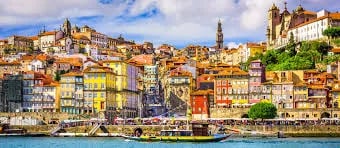

A seasoned event manager once recalls arriving in Porto with a half-formed plan and a tight timeline. Within 48 hours, a local Destination Management Company had secured a riverside venue, arranged transfers, and organized a tasting tour of the Douro Valley—turning stress into an advantage. This outline explores why hiring a DMC in Portugal (Lisbon, Porto, Algarve, Madeira) makes corporate events, incentive travel, and MICE services both memorable and manageable.
Portugal's MICE Appeal: More Than Pretty Postcards
Portugal now stands out for B2B travel because it blends natural beauty with reliable infrastructure built for MICE services. From modern conference spaces to smooth airport access and strong hotel capacity, the country makes it easy to plan meetings that feel efficient—yet still inspiring. This is why many planners pair the destination with a DMC Portugal partner to connect the right regions, suppliers, and experiences into one clear program.
Why Lisbon Porto, Algarve, and Madeira work for MICE
- Lisbon: strong business venues, easy transfers, and memorable settings for networking—especially along the Tagus River.
- Porto: compact city flow, authentic culture, and quick access to wine country for incentives.
- Algarve: beach resorts and outdoor space ideal for coastal team-building and reward travel.
- Madeira: dramatic volcanic landscapes for high-impact incentives, from hikes to wine tours and dolphin watching.
Signature pull factors: Exclusive venues and standout regions
Portugal’s advantage is not only scenery—it is access. A skilled DMC can open doors to Exclusive venues that add meaning and status to corporate events, including the Palácio Nacional de Sintra, a UNESCO World Heritage site. For incentives, the Douro Valley delivers a ready-made premium story: vineyard visits, curated tastings, and scenic routes that feel rewarding without long travel times.
Cultural experiences that raise perceived value
High-value differentiators often come from culture. Groups remember a private Fado performance more than another standard cocktail hour. Food also works as a team connector, especially culinary workshops in Porto featuring bacalhau à brás and pastéis de nata, followed by relaxed tastings and local storytelling.
Claire Quiapo: "Local cultural insight transforms an event from functional to unforgettable."
A quick ROI moment: rooftop networking on the Tagus
One group arrived focused on cost control and tight agendas. After a rooftop networking event overlooking the Tagus—timed with sunset and short, structured introductions—attendees stayed longer, made faster connections, and booked follow-up meetings on the spot. The client later described the shift as “clear ROI,” because the setting improved participation without adding complexity—exactly where a DMC helps, including coverage beyond the mainland in places like the Azores.
Core Roles of a Destination Management Company in Portugal
Local Knowledge that turns ideas into workable plans
A Destination Management Company in Portugal acts as the local operator for MICE programs, using Local Knowledge to match business goals with the right city, season, and setting. This matters in a country where Lisbon, Porto, the Algarve, and Madeira each have different venue styles, transport needs, and supplier options. With the right DMC, planners get stress-free preparation and access to trusted, sometimes exclusive, vendors that are hard to reach from abroad.
Event coordination and logistics from arrival to final applause
At the core, a DMC manages Event coordination across all moving parts, so internal teams can focus on content and stakeholders. Typical services include:
- Venue selection for conferences, gala dinners, and networking (from modern convention spaces to heritage locations)
- Hotel reservations aligned with budget, proximity, and group needs
- Airport transfers, meet-and-greet, and group transport planning (including chauffeur service when required)
- On-site staffing, registration support, and supplier supervision
- Custom itineraries for incentives and team building (food, culture, wine regions, coastal activities)
- Coordination of AV and advanced conference tech setup
For best availability, many DMCs recommend booking 3–6 months in advance, especially for peak dates and large groups.
Negotiation power with local networks
DMCs bring established relationships with hotels, venues, transport providers, and experience partners. This negotiation power often secures better value for complex events—through preferred rates, added inclusions, and smoother contracting. It can also unlock special access, such as private cultural moments or distinctive spaces that elevate an incentive or conference program.
Ana Ribeiro, CEO, Indigo DMC: "Local partners and years on the ground make complex logistics look simple to clients."
Risk management, real-time support, and contingency planning
Portugal programs still face real-world issues: flight delays, weather changes, supplier timing, or last-minute agenda shifts. A DMC provides on-the-ground problem solving, backup transport and venue options, and live schedule adjustments—reducing disruption and protecting the attendee experience.
Signature Experiences & Exclusive Venues (A DMC's Rolodex)
In Portugal, a DMC’s strongest advantage is often exclusive venues and the local relationships that unlock them. This matters in MICE because the setting shapes how people feel, connect, and remember the program. As John Mercer, Head of Partnerships at DMCFinder, explains:
"The right venue tells half the story of an event—DMCs know which venues resonate with which audiences."
Venue selection that goes beyond standard options
Smart venue selection is not only about capacity and AV. It is about access, timing, and the “wow” factor that direct-booking clients may not secure. A DMC can match the group’s goals (sales kick-off, leadership retreat, client summit) to venues that add meaning and brand fit.
- Centro Cultural de Belém for conferences that need strong infrastructure and a respected Lisbon address.
- Palácio Nacional de Sintra for gala moments in a UNESCO-listed setting with built-in prestige.
- Historic castles for private dinners, awards nights, or high-impact product reveals.
- Beachfront resorts for meetings that blend work blocks with outdoor networking and team time.
- Douro Valley vineyards for executive offsites and incentive groups seeking privacy and scenery.
Cultural tours and signature programs that attendees talk about
Portugal performs well for MICE because cultural immersion is easy to build into the agenda. DMCs curate cultural tours and private activities that feel seamless, not “added on.”
- Private Fado evenings in Lisbon’s Fado houses, designed for small VIP groups or full buyouts.
- Porto culinary workshops featuring local classics like bacalhau à brás and pastéis de nata.
- Wine tastings and hosted dinners at Douro Valley estates, paired with river viewpoints and storytelling.
- Madeira nature rewards for incentive travel, including hiking routes and dolphin watching.
How exclusivity creates measurable value
Exclusive access elevates corporate events by improving attendance motivation, increasing satisfaction scores, and supporting stronger networking outcomes. It also reduces planning risk: a DMC can coordinate permits, timing, transport, and on-site flow so the experience feels effortless—while still being rare and memorable.
Practicalities: Pricing, Timelines, Platforms and Tech
Pricing: what drives cost, and where DMC value shows
In Portugal MICE programs, pricing is mainly shaped by group size, service scope, and event complexity. A simple airport-to-hotel transfer plan costs very differently from a multi-city incentive with gala dinners, AV production, and simultaneous interpretation. A DMC’s local buying power often brings significant value through better venue rates, preferred hotel allocations, and bundled supplier pricing—while keeping Stress-free planning realistic for internal teams.
Experienced operators also reduce “hidden costs” by planning around local demand peaks, regional travel times, and permit requirements. As Sofia Mendes, Director of Operations at Liberty International, notes:
"Experience across destinations means smoother vendor relations and fewer surprises on-site."
Timelines: why 3–6 months is the practical minimum
To secure the best venues, accommodations, and specialist suppliers, clients are advised to engage a DMC 3–6 months before the event. This lead time is especially important for high-demand locations such as Lisbon and Porto, and for unique spaces (historic sites, vineyards, beachfront resorts) where capacity is limited. Earlier engagement also improves Logistics management, from flight arrival waves and transfers to contingency planning and on-site staffing.
Platforms and tech: DMCFinder, secure tools, and vendor coordination
Technology platforms amplify a DMC’s reach and provide secure tools for planning and vendor management. DMCFinder supports sourcing with a broad catalogue, advanced search, and worldwide coverage (including Portugal, Abu Dhabi, Dubai, Germany, France, the UK, and Malawi). Its Membership tiers—Elite Partner, Platinum Partner, and Pro Partner—help buyers compare service levels and partner visibility on the platform.
Network partnerships and security basics
DMCFinder’s Network partnerships include Cloudflare, HubSpot, CookieYes, WordPress, and Google Recaptcha, supporting performance, lead handling, consent management, and bot protection. Cookies (from session to 2 years) from providers such as Dynatrace, YouTube, WordPress, Google, Akamai, Microsoft, HubSpot, and Sourcebuster help with analytics, session continuity, and site security.
- Security: tools like
_GRECAPTCHAandrc::asupport fraud and bot prevention. - Performance/monitoring: cookies such as
dtCookiesupport site reliability.
Measuring ROI: How DMCs Deliver Business Outcomes
For Corporate events in Portugal, ROI is not only about budget control. It also includes the value of smooth delivery, stronger relationships, and better energy in the room. A Portugal DMC improves ROI by combining local buying power, reliable Event coordination, and Network partnerships that reduce friction across venues, transport, and suppliers.
Claire Quiapo: "A Destination Management Company bridges the gap between local nuance and corporate objectives—ROI follows when execution is flawless."
What to Measure Across Corporate Events
To connect event spend to outcomes, companies can track both hard numbers and human feedback across conferences, incentive trips, gala dinners, and Team building programs. Quantitative metrics show efficiency, while qualitative insights explain why the experience worked.
| ROI Metric | What It Shows | Where It Fits Best |
|---|---|---|
| Attendee satisfaction score | Experience quality and delivery consistency | Conferences, gala dinners |
| Net Promoter Score (NPS) | Likelihood to recommend the trip or program | Incentive trips |
| Cost per attendee | Budget efficiency after rates, transport, and time | All event types |
| Operational issues avoided | Risk reduction (missed transfers, AV failures, delays) | Conferences, multi-site programs |
Qualitative Returns That Still Drive Revenue
Some of the strongest returns are less direct but still measurable over time: improved brand perception from unique venues, stronger client relationships built through shared moments, and higher team morale from well-designed Team building. These gains often show up later in retention, pipeline movement, and internal engagement scores.
Hypothetical Comparison: DMC vs. Self-Managed
Two identical groups run the same Lisbon program with similar Custom itineraries. The self-managed group books suppliers separately, pays higher venue and transport rates, and faces a last-minute AV issue with no local backup. The DMC-led group uses negotiated pricing, activates contingency support, and keeps sessions on time. Post-event, the DMC group reports higher satisfaction and NPS, fewer incidents, and clearer follow-up actions.
To close the loop, tracking can be connected to CRM and analytics tools such as HubSpot for post-event surveys, lead follow-up, and engagement reporting. In the end, a DMC’s value is visible in lower costs, fewer disruptions, and experiences that make Portugal-based corporate events perform better long after attendees fly home.
.jpg&w=256&q=75)