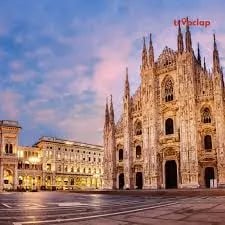
A seasoned planner once arrived in Milan with a tight timeline, 300 guests, and zero local contacts. Within 48 hours, a Destination Management Company had secured an exclusive palazzo, coordinated transfers across the metro and private shuttles, and arranged a rooftop Duomo visit that became the event's highlight. This anecdote illustrates the often unseen—and decisive—value a DMC brings to corporate events in Milan. The city’s mix of high-fashion districts, historic landmarks, and modern conference infrastructure is alluring but complex; a local expert turns complexity into opportunity.
1) Strategic Value: Why a Destination Management Company Matters
Milan is one of Europe’s most dynamic business cities, known for fashion, architecture, and a strong economy that attracts global brands year-round. That same energy can make corporate events planning complex: venues book fast, traffic patterns shift, and permits and supplier rules vary by location. A Destination Management Company (also called a DMC) turns that complexity into a clear plan with one accountable partner managing the moving parts.
“DMCs turn Milan's vibrant, fast-paced urban canvas into cohesive, brand-led corporate experiences.” — Claire Quiapo (Published: December 7, 2024)
Single-point accountability for Milan logistics
A key strategic benefit of a Destination Management Company is single-point accountability. Instead of coordinating multiple vendors across time zones, organizers work through one local team that understands Milan’s pace and infrastructure. This includes transport planning across the metro network, airport transfers, and executive movements using luxury vehicles or shuttle services—plus creative options like private water taxis along the city’s canals when appropriate.
Just as important, a DMC manages the behind-the-scenes requirements that can slow down international teams, including local permits, insurance expectations, and venue operating rules. This reduces risk and protects schedules when last-minute changes happen.
Access to exclusive venues Milan planners often cannot reach
Milan offers a wide venue range—from modern conference halls to historic palaces—but availability and access often depend on local relationships. A strong DMC uses established connections with venue owners to secure exclusive venues Milan buyers want, including spaces that may not be marketed broadly or that require trusted local intermediaries. This is a major differentiator for high-stakes incentives, leadership meetings, and brand showcases where the setting must match the message.
“Local relationships and on-the-ground knowledge are the difference between a good event and a memorable one.” — Marco Bianchi, Director, Italy Destination Management
Bespoke programs aligned with brand and business goals
Beyond logistics, a Destination Management Company designs tailored programs that reflect the event’s objective, scale, and identity. For Milan, that often means blending business outcomes with the city’s strengths—style, design, and gastronomy—without losing operational control. A DMC can shape:
- Conference and meeting flows (agenda timing, speaker support, guest routing)
- Incentive experiences (private Duomo rooftop access, La Scala backstage moments, curated Quadrilatero d’Oro shopping)
- Food and hospitality (custom menus, Michelin-level gala dinners, chef-led cooking classes)
Finding the right DMC partner in industry platforms
Many planners now source Milan partners through business travel and MICE platforms that list 70+ service categories (including B2B DMC, MICE, Team Building, and Luxury Venues) and highlight provider tiers such as Elite Partner and Platinum Partner. Recognized names in listings include Your Italy DMC, TERRAEVENTS, Kuoni Destination Management Italy, World Wide Lux Group, and VET DMC Italy.
2) Operational Muscle: Transfers, Compliance, and 24/7 Support
Transfer and Activities: moving groups through Milan without friction
Milan rewards speed and planning. A local DMC brings logistical support that matches the city’s pace, coordinating Transfer and Activities as one connected plan rather than separate bookings. This matters for conferences, product launches, and incentive programs where late arrivals can disrupt agendas and VIP moments.
Because Milan has a dense urban layout and a strong public network, DMCs design transfer plans that use the right mode at the right time—often combining options to reduce risk and keep schedules tight:
- Metro and rail guidance for efficient attendee movement between hotels, venues, and key districts
- Luxury vehicles for executives, speakers, and hosted clients
- Shuttle services for large groups with timed departures and on-site marshals
- Private canal taxis where relevant for unique arrivals and brand-forward experiences
As Claire Quiapo notes, “Logistical expertise—transfers and supplier management—is a core offering of Milan-based DMCs.” That supplier management is critical: a DMC coordinates drivers, dispatch, guides, venue loading rules, and timing windows, while keeping communication clear for international teams.
Compliance and risk management that prevents operational disruption
Corporate events in Milan often involve public spaces, historic venues, high-profile guests, and complex production. A DMC reduces uncertainty by managing permits, insurance, and legal compliance in line with local requirements. This is not only paperwork—it is risk control that helps avoid delays, fines, or last-minute cancellations.
Typical compliance and safety tasks handled by a DMC include:
- Permit applications and coordination with local authorities and venue management
- Insurance guidance and documentation aligned to venue and supplier standards
- Supplier vetting (transport, security, production, catering) to meet safety expectations
- Contingency planning for weather, strikes, traffic restrictions, or medical needs
Because DMCs work daily with Milan’s supplier ecosystem, they can often expedite approvals and align all partners to one operating plan—especially important for multi-venue programs and tight build schedules.
Round-the-clock assistance: 24/7 on-site support when plans change
Even well-designed programs face real-time changes: delayed flights, missing luggage, speaker timing shifts, or sudden venue constraints. Milan DMCs commonly provide 24/7 on-site support and Round-the-clock assistance so issues are solved before they reach attendees or stakeholders.
Elena Rossi, Head of Operations, TERRAEVENTS: “Real-time problem solving is the unseen service clients most appreciate during MICE programs.”
This operational coverage is strengthened by multilingual staff and established supplier partnerships, allowing international groups to receive clear updates, fast rerouting, and consistent service standards—while internal event teams stay focused on business outcomes, not last-minute logistics.
.jpg)
3) Cultural Capital: Crafting bespoke experiences in Milan
Milan is not only a business center; it is also a cultural capital where art, design, fashion, and food sit close together. For corporate planners, that mix is a major advantage—but it can be hard to access without local support. A Destination Management Company (DMC) turns Milan’s cultural assets into structured, brand-fit programs that feel premium, smooth, and purposeful. Research insights show that cultural and gastronomic programming is a leading differentiator for Milan DMCs, especially for incentives and executive groups.
Marco Bianchi, Director, Italy Destination Management: “Deep cultural immersion is what converts attendees into advocates.”
Private tours Milan: iconic access without the crowds
High-value corporate agendas depend on timing, privacy, and reliability. DMCs curate Private tours Milan programs that reduce waiting, manage permits, and secure expert guides—so attendees stay engaged while schedules stay on track. Popular options include:
- Duomo di Milano rooftop access for skyline views and photo moments that work well for VIP hosting
- Leonardo da Vinci’s “The Last Supper” viewings with pre-arranged entry slots and guided context
- Pinacoteca di Brera visits designed around themes like leadership, creativity, or Italian innovation
For premium groups, high-end DMCs add personalized luxury layers such as private transfers, after-hours museum moments (when available), and tailored storytelling that connects the city to the company’s goals.
Luxury retail and design: Quadrilatero d’Oro as a curated experience
Milan’s fashion identity is a natural fit for client entertainment and incentive travel. A DMC can shape the Quadrilatero d’Oro into a guided experience rather than “free time,” with store appointments, stylists, and brand-aligned gifting. This approach supports attendee engagement while keeping the program controlled and on schedule.
Gastronomic visits that drive engagement
Food is one of Milan’s strongest tools for connection. DMCs use trusted local partners to build Gastronomic visits that feel exclusive and easy to execute, including:
- Private wine tastings led by sommeliers, with pairings matched to dietary needs
- Cooking classes with renowned chefs designed for team interaction and shared outcomes
- Gala dinners at Michelin-starred restaurants with customized menus and discreet service
Claire Quiapo: “Milan’s gastronomy and heritage are powerful engagement levers for corporate audiences.”
Team-building through culture: La Scala and Sforza Castle
DMCs also create team-building that feels authentic, not forced. Options include history-focused excursions to Sforza Castle or backstage visits at La Scala that highlight discipline, craft, and performance—values many companies want to reinforce. These culturally rooted formats support Deep cultural immersion while still serving business outcomes like bonding and motivation.
Exclusive and bespoke packages: luxury add-ons for premium groups
When the audience is executive-level or incentive winners, Milan DMCs often extend the program with exclusive and bespoke packages, such as private vineyard tours, villa rentals Italy for off-site meetings, luxury yacht charters (for nearby lakes/coastal extensions), and even private jets—built as seamless add-ons to the core Milan agenda.
4) Budget, Sustainability, and the Digital Marketplace
Budget-friendly services without losing Milan-level quality
Milan can feel expensive on paper, especially when planners compare premium venues, peak-season hotel rates, and complex city logistics. A B2B DMC helps reduce that pressure by using local suppliers partnerships to negotiate pricing that outside teams often cannot access. This includes bundled venue packages, preferred catering rates, and smarter transport planning that avoids unnecessary upgrades while still delivering a high-end guest experience.
Research insights consistently show that DMCs optimize budgets through local negotiations. In practice, this means the event can stay aligned with financial targets while still meeting brand standards—an important balance for corporate events where stakeholders expect both control and impact.
Sustainable event practices are now part of the brief
Sustainability is no longer a “nice to have” in Milan’s corporate event scene. Many companies now require measurable actions in RFPs, from waste reduction to lower-emission mobility. A DMC supports these expectations by recommending eco-certified venues, working with caterers who prioritize seasonal sourcing, and replacing single-use items with reusable or recyclable materials. Transport is another key lever: coordinated shuttles, rail-first planning for regional arrivals, and route optimization can reduce emissions without disrupting schedules.
Elena Rossi, Head of Operations, TERRAEVENTS: "Sustainability is increasingly a non-negotiable in RFPs."
While sustainability is a growing theme, it is often described in broad terms on many supplier pages. A strong DMC turns those claims into clear actions, helping planners document sustainable event practices in a way that procurement teams and attendees can understand.
Digital platforms make sourcing faster, but differentiation matters
Today’s planners often start with a multifunctional web platform that supports business travel and MICE sourcing. These platforms typically offer geolocation tools, global reach across continents and major cities, and a catalog of over 70 service categories—including “B2B DMC,” “MICE,” “Team Building,” “Luxury Venues,” “Executive Floor,” and “Visa Services.” This structure speeds up discovery and shortlisting, especially for international teams planning Milan for the first time.
At the same time, the marketplace is competitive, and platforms often highlight provider tiers such as Elite Partner, Pro Partner Promotion, and Platinum Partner. These labels can help signal visibility and specialization, but they also increase the need for clear service differentiation. The best DMCs stand out by showing how their budget-friendly services, sustainability delivery, and on-the-ground coordination connect directly to business outcomes.
Claire Quiapo: "Digital platforms simplify comparison, but the human touch of a DMC remains decisive."
In Milan, digital tools help planners compare options quickly, but a DMC’s local judgment is what turns choices into a smooth, responsible, and cost-controlled event.
.jpg&w=256&q=75)