
A traveler arriving at Paddington with a handwritten list of castles and gardens soon realised that sheer choice can be paralysing. This short tale captures why working with a Destination Management Company in the UK removes the guesswork: from securing VIP access to the Tower of London to arranging a tranquil day in the Lake District, a DMC turns scattered ideas into cohesive, memorable journeys.
1) Local Knowledge, Safety Nets and Cost Savings
DMC local expertise that reduces research time and avoids destination specific contingencies
The UK offers an enormous range of choices, and that variety can slow planning down. DMC local expertise helps travelers and planners move faster by turning “too many options” into a clear, workable plan. A UK DMC already knows which attractions need advance booking, which routes are realistic, and how to time visits to reduce queues.
This matters most at heritage sites with strict entry rules. Stonehenge (a UNESCO site over 4,000 years old) often relies on timed access, limited capacity, and seasonal conditions. Hadrian’s Wall (nearly 2,000 years old) can involve long travel distances, weather exposure, and site-specific opening patterns. A DMC anticipates destination specific contingencies such as permits, restricted time slots, last-entry rules, seasonal closures, and local traffic patterns—before they disrupt the itinerary.
Dr. Alison Reed, Head of UK Experiences at Heritage Travel Group: "Local knowledge saves time and prevents costly mistakes—especially when dealing with heritage sites and complex logistics."
Cost savings negotiations through preferred vendor pricing and local vendor relationships
A DMC is not only a planner; it is also a buyer with volume. Through cost savings negotiations and local vendor relationships, many DMCs secure preferred vendor pricing that independent travelers typically cannot access. Industry estimates often place negotiated savings around 10–20% on bundled services such as accommodation, transport, and select venues.
These savings support smarter budget management allocation. Instead of overspending on standard rates, funds can be redirected to higher-impact moments—like a better-located hotel, a private guide, or a unique venue that improves the overall experience.
- Accommodation: better rates, added-value perks, and flexible terms when plans shift.
- Transport:Airport Transfer and Chauffeur Service, plus realistic timing for city traffic and rural distances.
- Venues and experiences: access to trusted suppliers and smoother booking for high-demand dates.
Michael Turner, Director of Operations at London DMC Co.: "Our vendor relationships unlock rates and experiences that are simply not available to independent travelers."
Safety nets: on-the-ground support, 24/7 coverage, and consultant response times
Even strong itineraries face real-world changes: delayed trains, weather disruptions, overbooked time slots, or last-minute group needs. UK DMCs commonly operate 24/7 support models, with clear consultant response times that keep trips moving when plans change.
For corporate event planning and incentive travel, this on-site support is a practical safeguard. Staff can rebook transfers, adjust entry times, coordinate with venues, and handle destination-specific issues in real time—reducing risk, protecting budgets, and keeping the group experience consistent.
2) Tailored Itineraries, Exclusive Access and Bespoke Moments
Guest experience personalization through bespoke activity design
The UK offers an enormous mix of history, countryside, and modern culture, but that variety can make independent travel personalization difficult. A Destination Management Company (DMC) solves this by building plans around what travelers actually care about—then shaping each day to fit pace, budget, and energy levels. This is bespoke activity design in practice: private castle tours for history lovers, themed experiences for film fans, and curated cultural immersion activities that feel local rather than generic.
Instead of a one-size-fits-all route, a DMC can combine iconic highlights with personal interests—such as Buckingham Palace and the Tower of London alongside village life in the Cotswolds (Bourton-on-the-Water and Stow-on-the-Wold), or outdoor time in the Lake District with hiking and boating around Windermere. Research also shows that personalized itineraries increase attendee satisfaction and improve event ROI outcomes, which matters for leisure groups and private celebrations as much as corporate travel.
Exclusive venues experiences and unique venues access that most travelers cannot secure
Many of the UK’s most memorable moments happen behind closed doors. DMCs use long-standing supplier relationships to unlock exclusive venues experiences and unique venues access that independent travelers rarely obtain—such as private dinners in historic houses, after-hours visits, and behind-the-scenes tours.
Emma Clarke, Senior DMC Consultant: “Bespoke moments—like a private castle after-hours tour—turn a good trip into an unforgettable story.”
Oliver Brooks, Events Curator at English Heritage Access: “Exclusive access requires long-standing relationships; DMCs bridge that gap for clients.”
For film enthusiasts, the Warner Bros. Studio Tour – The Making of Harry Potter in Watford is a key draw, with sets like the Great Hall and Diagon Alley. A DMC can secure preferred time slots, reduce waiting, and in some cases arrange more private viewing options—turning a popular attraction into a smoother, more premium experience. For culture seekers, DMCs may also help with VIP entry to major events, including festivals such as Glastonbury, where access and logistics can be challenging without expert support.
Bespoke moments for groups: tracks, team dynamics, and thoughtful details
Guest experience personalization goes beyond sightseeing. DMCs often design multiple “tracks” so mixed groups can split by interest—history, food, gardens, shopping, or countryside—then reunite for shared highlights. They can also tailor team-building exercises to group dynamics, using settings that feel distinctly British (for example, a countryside estate in the Cotswolds rather than a standard meeting room).
Small touches matter for retention and advocacy after the trip. Curated cultural activities, local guides, and welcome gifts (such as regional treats or personalized notes) help guests feel seen and valued—supporting stronger post-trip recommendations and repeat travel interest.
- History-led days: private castle tours, curated storytelling, and flexible pacing.
- Nature-led days: Lake District hiking and boating with Windermere as a base.
- Village-led days: Cotswolds routes through Bourton-on-the-Water and Stow-on-the-Wold.
- Luxury-led upgrades: Presidential Suite options, private air charters, and exclusive estate access.
.jpg)
3) Events, Festivals and the Leisure Mix — From Glastonbury to Gardens
Festival demand, VIP access, and corporate event planning complexity
Events and festivals can make the UK feel unforgettable, but they also add pressure to planning. High-demand dates, limited ticket releases, and strict entry rules mean that even experienced travelers can struggle to secure the right access. This is where a Destination Management Company (DMC) supports modern corporate event planning—not only by booking, but by managing suppliers, schedules, and guest expectations to protect attendee experience quality and improve event ROI outcomes.
Glastonbury Festival in Somerset is a prime example. It is an iconic annual music event, and access is highly competitive. A DMC can use supplier relationships to negotiate VIP packages, hospitality options, and in some cases backstage-style opportunities, while also coordinating transport, accommodation, and contingency plans.
Sophie Grant, Festival Partnerships Manager: "Securing festival access is as much about relationships as it is about logistics—DMCs are experts at both."
Timed-entry landmarks and gardens: planning that protects the schedule
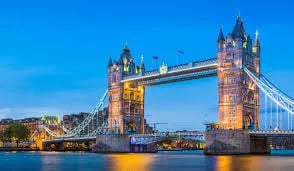
Many of the UK’s most popular cultural sites are time-sensitive. Buckingham Palace is famous for the Changing of the Guard, which requires precise timing and smart positioning. The Tower of London—home to the Crown Jewels and guarded by Beefeaters—often involves queues and timed tickets. Edinburgh Castle is a major Scottish historic attraction with peak-hour crowding. Kew Gardens, a UNESCO World Heritage site known for plant collections and glasshouses, can also require timed-entry management during busy periods.
A DMC reduces friction by aligning transfers, entry windows, and guide-led routing. This matters for groups, incentive programs, and families alike—because missed slots can ripple across the entire day.
Leisure variety that drives incentive travel transformation
Research insights show that mixing leisure and cultural elements can deliver measurable engagement and retention benefits. In practice, that means pairing headline attractions with relaxing, place-based moments. A DMC designs this “leisure mix” across cities and countryside to support incentive travel transformation—turning a standard itinerary into a reward experience that feels personal and well paced.
- Urban culture: London, Edinburgh, and Manchester for museums, dining, theatre, and landmark touring.
- Nature reset: the Lake District for hiking, boating, and time around Windermere.
- Rural charm: the Cotswolds for villages such as Bourton-on-the-Water and Stow-on-the-Wold.
- Cultural immersion activities: private guided walks, local food tastings, and themed visits that connect guests to place.
Professor James Holt, Cultural Tourism Analyst: "Combining cultural landmarks with leisure activities produces higher engagement metrics for incentive travel."
How DMC coordination improves attendee experience quality and event ROI outcomes
- Access control: VIP festival negotiation and timed-entry bookings for sites like Kew Gardens.
- Flow management: transfers, chauffeur service, and realistic routing between venues.
- On-the-ground support: rapid fixes for weather changes, delays, or last-minute schedule edits.
- Experience design: balancing “must-see” icons with downtime to keep energy high.
4) Platform Features, Tech Trends and the Future of Destination Management
Digital conveniences that remove friction
Modern Destination Management Companies (DMCs) elevate UK travel by pairing local expertise with platform features that make planning faster and clearer. Advanced search and filtering help travelers compare options quickly using labels such as “Best Rated” and “Newest”, which is especially useful when choosing between high-demand experiences in London, Edinburgh, or the countryside. Registration and login tools keep preferences, documents, and saved itineraries in one place, while password recovery reduces disruption if access is lost.
Ease-of-use must still be balanced with safety. Location tools like “Geolocate My Current Position” support nearby recommendations and smoother pickups, while secure logins and Google reCAPTCHA (the familiar “I’m not a robot” check) help protect accounts and booking requests. This balance matters because travel platforms handle personal data, payments, and time-sensitive reservations.
AI copilot itinerary tools and faster consultant response times
Technology is also changing how DMC teams build trips. An AI copilot itinerary workflow can draft routes, suggest timing, and flag conflicts, allowing consultants to focus on taste, pacing, and special access. Research insights show AI tools speed itinerary building and increase personalization capacity, which supports independent travel personalization for today’s Free Independent Travelers (FITs).
Rina Patel, Technology Lead at TourConnect: "AI copilots aren't replacing planners; they turbo-charge creativity and reduce manual availability checks."
In practice, this improves consultant response times, reduces availability errors, and helps travelers get quick alternatives when a museum slot sells out or a train schedule changes. The result is a more responsive planning experience without losing the human judgment that makes a UK itinerary feel curated rather than generic.
Market shifts shaping travel planning 2026
FIT demand is expected to outpace organized group growth through 2026, pushing DMCs to offer flexible tracks rather than one fixed schedule. A couple might want a history-heavy London stay, while another traveler wants the Lake District for hiking and a day at a film studio tour. Platforms that support modular planning, quick edits, and clear confirmations will be central to travel planning 2026.
By 2026, successful DMC partnerships will also be defined by outcome measurement, especially for corporate and event travel. Beyond smooth logistics, clients will expect tracking for engagement, retention, and satisfaction, plus reporting that shows what worked and what should change next time.
Social sharing and marketing collateral that drives demand
Social sharing via Facebook, Twitter, LinkedIn, and WhatsApp helps travelers and planners distribute itineraries and recommendations quickly, turning good experiences into referrals. For corporate groups, DMCs increasingly support campaigns with marketing collateral such as photography, videography, and testimonials that improve event visibility and attendance.
Daniel Foster, Marketing Director at EventsInsight: "Professional collateral from DMCs directly improves campaign performance for corporate events."
Looking ahead, the future of destination management in the UK will reward DMCs that combine secure, user-friendly platforms with AI-assisted planning, measurable outcomes, and strong content support—delivering trips that feel personal, efficient, and confidently managed from first search to final departure.
.jpg&w=256&q=75)