
Vietnam’s mix of dramatic scenery, layered culture and growing hospitality infrastructure makes it an increasingly attractive choice for corporate incentive programs. The piece opens with a brief first-person-flavored anecdote — a planner who landed a surprise rooftop dinner in Ho Chi Minh City thanks to a local DMC — then shifts to an educational overview of what makes Vietnam special and why a Destination Management Company (DMC) is often essential for success.
1) Why Vietnam? Landscape, culture and strategic ROI
Compact diversity for Corporate incentives Vietnam
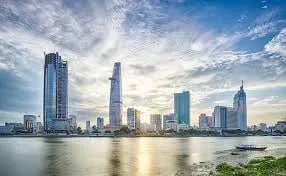
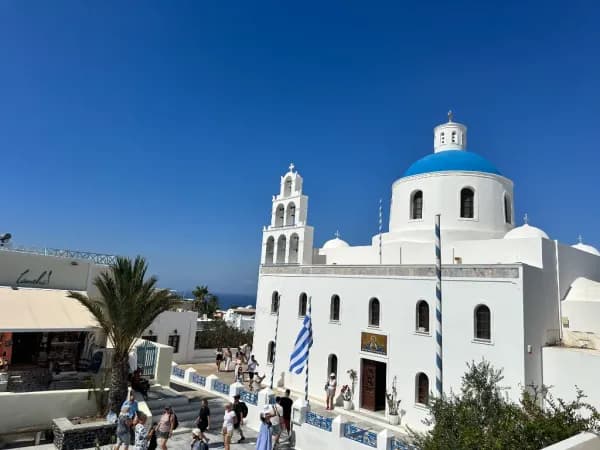
Vietnam stands out because it packs major cities, nature, and heritage into short travel times—ideal for compact, high-impact incentive schedules. Teams can start with modern energy in Ho Chi Minh City or classic charm in Hanoi, then shift quickly to a UNESCO icon like Ha Long Bay or a lantern-lit heritage town such as Hoi An. Beach and resort time in Da Nang can sit in the same itinerary as mountain scenery in Sapa, rural immersion in the Mekong Delta, and a historic evening in Hue. For planners, this “more in less time” mix is a practical advantage in MICE Vietnam programs.
Le Minh, CEO of Vietnam Incentive Travel Co.: “Vietnam’s variety means planners can mix luxury and adventure without long internal flights—teams get more in less time.”
Culture that drives engagement (and better ROI)
Incentive travel works best when experiences feel real, not staged. Research insights show that cultural authenticity links to stronger team engagement, which supports the strategic ROI leaders want: higher morale, stronger peer connection, and better post-trip retention. Vietnam makes authenticity easy to build into Vietnam travel programs through:
- Hands-on food experiences in Hanoi or Ho Chi Minh City
- Local craft and heritage moments in Hoi An
- History-led visits near Ho Chi Minh City and cultural venues in Hue
- Regional tastings in Buon Ma Thuot, supported by Vietnam’s role as the world’s second-largest coffee producer
Business value: hospitality growth + smoother planning
Vietnam’s hospitality scene continues to expand, with more upscale hotels, event venues, and resort options—especially around Da Nang and key city hubs. This supports stronger MICE Vietnam delivery, from executive meetings to gala dinners and team challenges.
An unexpected advantage: incentives beyond the itinerary
Vietnam’s evolving regulatory and investment incentives can indirectly support corporate spending and partnership goals, especially for companies exploring regional growth. Planning is also becoming easier through modern platforms. A website published January 1, 2025 by Josh highlights tools like secure login, geolocation, and clear service categorization—helping teams filter options and tailor programs faster across Vietnam’s key destinations.
2) Five DMC advantages (what they actually do)
In Incentive travel Vietnam, a Destination Management Company Vietnam is the local operator that turns ideas into a smooth, culturally correct program. Their value is practical: they plan, book, coordinate, and protect the experience on the ground—especially for MICE Vietnam groups.
-
1) Cultural fluency (authentic programming that fits local customs)
DMCs guide companies through Vietnamese etiquette, timing, and regulations so the trip feels respectful and real. This often includes custom welcome ceremonies, Ao Dai displays, water puppet shows, cooking classes, and cultural tours designed to match local traditions—not just tourist highlights.
-
2) End-to-end logistics (planning and execution without gaps)
DMC teams manage transportation, accommodations, venue sourcing, permits, and day-by-day coordination. Because they already work with trusted suppliers, they can run complex schedules—airport meet-and-greet, coach rotations, activity timing, and gala production—while executives focus on people and objectives.
-
3) Tailored experiences (built around company goals)
No two incentive groups are the same. A DMC shapes the itinerary to fit budget and purpose: luxury resort stays, cultural immersion, or Team building Vietnam in nature (for example, Mekong Delta challenges or Sapa hikes). Many programs blend all three into a single “reward + bonding” journey.
-
4) Exclusive access (venues and moments most visitors can’t book)
Local connections unlock private lantern workshops in Hoi An, rooftop dinners in Ho Chi Minh City, and private Ha Long Bay cruises. These “closed-door” experiences create standout memories and help brands deliver a true VIP feel.
-
5) Cost efficiency & risk mitigation (better rates, faster backups)
DMC vendor relationships often secure preferential pricing across key service categories—Accommodation, Team Building, Adventure Tours, Luxury Hotels, MICE Services, Visa Support, and Concierge—while also reducing on-site risk. If weather or cancellations hit, the DMC can substitute suppliers quickly.
A simple example: when a beach gala was canceled by sudden rain, the DMC shifted the entire event to a French colonial villa and re-routed transport and catering in under an hour—keeping the group experience intact.
Nguyen Thi Lan, Head of DMC Partnerships: “The magic of a successful incentive trip is invisible until it’s missing—the DMC covers the seams so executives focus on people and purpose.”
.jpeg)
3) Top 10 activities that actually engage teams (sample ideas)
For Incentive travel Vietnam, planners see stronger bonding from active, hands-on formats than passive tours. As Josh, Founder and Content Lead, notes:
"Teams remember shared discoveries—kayaking past karsts or rolling spring rolls together beat passive sightseeing every time."
- Ha Long Bay private cruise (UNESCO): Luxury dining + kayaking among limestone karsts. Group: 20–80 (split boats if larger). Season: best Oct–Apr; summer storms can disrupt. Transport: 2.5–3.5 hrs from Hanoi. Note: permits/route approvals may apply for private charters.
- Team building Vietnam in the Mekong Delta: Rice-paddy planting, boat races, cycling village lanes. Group: 30–200. Season: dry season (Nov–Apr) is easiest; rainy months need backup venues. Transport: 2–3 hrs from HCMC.
- Hoi An explorations + Hoi An lantern workshops: Guided walk, tailor challenge (style brief + fitting), then private lantern-making. Group: 10–60. Season: year-round; avoid midday heat. Transport: 45 mins from Da Nang.
- Cooking classes (Hanoi/HCMC): Teams cook pho and spring rolls in stations. Group: 12–80. Budget: scalable; add market tour for premium.
- Cu Chi Tunnels guided tour: History plus hands-on tunnel sections. Group: 15–60. Transport: 1.5–2 hrs from HCMC; start early to reduce crowds.
- Da Nang luxury resort retreat: Spa rotations, pool recovery, chef’s table dinner. Group: 20–150. Season: best Feb–Aug.
- Cultural evenings: Water puppets, Ao Dai showcase, folk music. Group: 30–500. Tip: ideal “rain plan” and works across budgets.
- Sapa adventure: Terraced-rice hikes + community visits. Group: 10–40. Season: Mar–May, Sep–Nov; winter fog can limit views. Transport: overnight train/road from Hanoi.
- Buon Ma Thuot coffee tasting: Plantation tour + egg coffee sampling (Vietnam is the world’s second-largest coffee producer). Group: 10–50. Transport: short flight via HCMC/Hanoi.
- Gala dinners in historic venues (Hanoi/Hue): French colonial villas or riverside mansions. Group: 50–400. Menu idea: seafood starter, lemongrass chicken, vegetarian clay-pot, tropical dessert.
Quick planner templates
Mekong team challenge (90 minutes): Brief (10) → Station 1: cycling navigation (20) → Station 2: boat relay (20) → Station 3: rice-planting teamwork (20) → Scoring + awards (20)
4) Logistics, tech and services: how the platform supports seamless delivery
Secure access and faster planning for MICE Vietnam
For incentive planners working on tight timelines, the platform’s secure login keeps proposals, group details, and supplier shortlists organized in one place. This matters in MICE Vietnam, where programs often combine meetings, team activities, and multi-city routing. The site (published January 1, 2025 by Josh) adds a practical tech layer that helps teams move from ideas to confirmed services with fewer emails and less back-and-forth.
Geolocation + layered filters = quicker vendor matching
Geolocation and search tools help planners match the right partners to the right place—fast. Instead of manually comparing options across Hanoi, Ho Chi Minh City, Ha Long Bay, or Hoi An, users can filter by region and service type, then refine choices based on what the group needs that day (transport, venues, activities, or support services). This improves efficiency and reduces planning friction for any Destination Management Company Vietnam teams coordinating multiple suppliers.
Anna Vu, MICE Operations Manager: "A good tech layer halves the time to shortlist vendors—it’s the unsung hero of a smooth incentive program."
Service catalog built for international groups
The platform groups services into clear categories, making it easier to build complete itineraries without missing key operational pieces:
- Accommodation and Luxury Hotels for consistent standards and rooming control
- Team Building and Adventure Tours for motivation-focused experiences
- MICE Services for meetings, production, and event coordination
- Visa Support Vietnam to reduce entry delays and documentation errors
- Concierge Vietnam for on-the-ground help, VIP handling, and last-minute changes
For international arrivals, Visa Support Vietnam and Concierge Vietnam are especially important because they protect the schedule and improve guest comfort from airport to check-out.
Global reach with local delivery + social sharing
While designed to support Vietnam programs, the platform also lists services across multiple countries, including Vietnam, United States, France, Japan, and Malawi. This helps regional planners keep one workflow even when incentives include pre- or post-trip extensions. Social media integration also supports engagement: teams can share pre-trip updates, and organizers can collect post-trip storytelling that reinforces the reward value.
5) Sample 4-day itinerary + cost and risk scenarios (a mini case study)
This mini case study shows how a compact 3–5 day program can blend city culture with a natural highlight, a common winning formula for Incentive travel Vietnam. The example assumes a 40-person sales team using a Vietnam DMC to run Corporate incentives Vietnam with clear budget control and backup plans.
Day 1: Hanoi arrival + welcome
Guests arrive in Hanoi, meet a dedicated airport team, and check in with fast-track support. A short welcome ceremony sets cultural context, followed by a riverside dinner in a French colonial villa. The DMC manages timing, dietary needs, and VIP seating so leaders can focus on team connection.
Day 2: Cooking + culture + gala options
The morning features a hands-on cooking class (pho and fresh spring rolls) designed for small-group collaboration. In the afternoon, a guided culture tour covers key heritage sites and local markets. The evening offers two gala formats: a formal dinner with awards, or a lighter rooftop reception with Vietnamese performance elements.
Day 3: Ha Long Bay private cruise
A private transfer brings the group to Ha Long Bay for a charter cruise with kayaking and scenic stops. The awards gala moves on board, creating a “once-in-a-career” moment that often lifts post-trip engagement scores.
Day 4: Wrap-up + optional extension
After returning to Hanoi, the group holds a 60-minute wrap-up session to link recognition to next-quarter goals. Optional extensions include Hoi An for lantern workshops or a Da Nang luxury retreat for recovery and executive meetings.
Cost efficiency Vietnam: sample savings + risk scenario
In this illustration, the DMC secured an invented-for-example 20% room-night discount across a hotel block, reducing per-person lodging costs and freeing budget for a higher-impact Ha Long cruise. During monsoon conditions, the DMC also swapped an outdoor gala plan for an intimate colonial venue, protecting the schedule and avoiding last-minute vendor penalties—an example of practical Cost efficiency Vietnam through risk planning.
Dr. Pham Quang, Tourism Economist: "Incentive travel spend is part experience, part investment—local tax and investment policies can shape long-term supplier availability and pricing."
Finally, broader policy signals matter: Vietnam’s new CIT incentives effective 2025 (including 15% and 17% rates for eligible SMEs) may indirectly influence supplier expansion, pricing, and availability over time. In this case study, the company recorded a hypothetical +12-point lift in team NPS and a modest improvement in retention and sales KPIs, supporting the idea that well-run incentives can deliver measurable business value.
.jpg&w=256&q=75)