
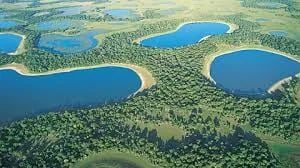



Imagine a place where jaguars silently prowl the floodplains, giant river otters frolic by sunlit rivers, and thousands of colorful birds fill the sky—the Pantanal is precisely that magical realm. But getting there and truly experiencing this unparalleled wildlife haven requires more than just wanderlust; it demands expert planning, local knowledge, and an adventurous spirit. This guide unpacks the secrets to an unforgettable Pantanal safari, why specialized guides matter, and how Brazil’s diverse landscapes extend your journey far beyond.
1. Navigating the Pantanal’s Wild Terrain: From Logistics to Luxury
Spanning over 42 million acres across Brazil, Bolivia, and Paraguay, the Pantanal stands as the world’s largest tropical wetland. Unlike the dense Amazon rainforest, the Pantanal’s open landscapes offer travelers the rare opportunity to spot wildlife—such as jaguars, giant river otters, capybaras, caimans, and over 650 bird species—with remarkable ease. However, this vastness, combined with seasonal flooding and limited infrastructure, makes planning a Pantanal safari uniquely challenging.
Understanding the Pantanal’s Scale and Challenges
The sheer size of the Pantanal means that distances between key wildlife areas are significant. During the rainy season, much of the region becomes submerged, with rivers and floodplains overtaking dirt roads and trails. This seasonal flooding, while essential for the ecosystem, can disrupt travel plans and limit access to prime wildlife viewing spots. For many, navigating these remote areas without expert help can lead to missed opportunities and logistical headaches.
The Role of Destination Management Companies (DMCs): Seamless Logistics and Private Transfers
To overcome these hurdles, many travelers rely on Destination Management Companies (DMCs). DMCs are specialists in orchestrating every aspect of a Pantanal safari, from internal flights and private transfers to arranging boat safaris and off-road excursions. As wildlife expert Dr. Marco Silva notes:
“Without local experts coordinating the logistics, many visitors miss the Pantanal’s best-kept secrets.”
DMCs ensure seamless logistics by handling airport pickups (typically from Cuiabá or Campo Grande), organizing boat transfers during flood season, and providing vehicles equipped for off-road travel. Their expertise is especially valuable when navigating the region’s seasonal changes, ensuring guests are always in the right place at the right time for optimal wildlife encounters.
Exclusive Access to Eco Lodges in the Pantanal
One of the standout advantages of working with a DMC is access to exclusive eco lodges in the Pantanal and floating hotels. These accommodations are strategically located along rivers and floodplains, placing guests at the heart of wildlife activity. Many eco-lodges serve as bases for guided night safaris, birdwatching tours, and river excursions, maximizing the chances of spotting elusive species like jaguars and giant river otters.
Personalized Safari Itineraries and Expert Guides
DMCs tailor every itinerary to match travelers’ interests—whether it’s intensive jaguar tracking, immersive birdwatching, or horseback riding through wetlands. Professional naturalist guides, often with years of local experience, provide in-depth insights into animal behavior, conservation efforts, and the unique ecology of the Pantanal. This personalized approach transforms a standard trip into a truly enriching adventure.
Traveler Experiences: Avoiding Common Pitfalls
Many visitors share stories of how expert planning made all the difference. For example, one group avoided a flooded road thanks to their guide’s quick rerouting via boat, arriving at their eco-lodge in time for a sunset jaguar sighting. Others praise the comfort and exclusivity of their lodges, which offered private decks for birdwatching at dawn and gourmet meals after a day of exploration.
In summary, the combination of the Pantanal’s immense scale, seasonal dynamics, and remote location makes expert assistance essential. By leveraging DMCs for seamless logistics, private transfers, and exclusive eco-lodge stays, travelers can fully immerse themselves in the wonders of a Pantanal safari—without the stress of navigating its wild terrain alone.
2. The Art and Science of Jaguar Tracking: Expert Guides in Action
The Pantanal stands as the world’s premier destination for jaguar safaris, drawing wildlife enthusiasts from across the globe. Unlike the dense Amazon rainforest, the Pantanal’s open wetlands provide a unique advantage: increased visibility and frequent encounters with its most iconic resident—the jaguar. However, the true magic of jaguar tracking lies in the hands of expert guides whose deep local knowledge and field experience transform each safari into an unforgettable adventure.
Why Jaguar Tracking Demands Specialized Expertise
Jaguars are famously elusive. Their camouflage, stealth, and solitary habits make sightings rare without skilled assistance. In the Pantanal, expert naturalist guides dedicate years—often decades—to learning the subtle signs of jaguar presence: fresh paw prints in the mud, scratch marks on tree trunks, and the alarm calls of capuchin monkeys or squawking birds. These guides not only know where to look, but also when—timing excursions during the dry season (July to September) when wildlife gathers near shrinking water sources, maximizing the chances of a sighting.
Interpreting Jaguar Behavior for Intimate Encounters
Guides do more than locate jaguars; they interpret their behavior, allowing guests to witness authentic moments in the wild. By reading body language, listening for warning calls, and understanding hunting patterns, guides position guests for respectful, close-range observation. As wildlife guide Helena Campos explains:
“Patience and respect are the cornerstones of a successful jaguar sighting.”
This approach ensures both visitor safety and minimal disturbance to the animals, creating opportunities for meaningful, ethical wildlife encounters.
Private Boat Safaris: The Pinnacle of Jaguar Sightings
The heart of jaguar tracking in the Pantanal beats along the Cuiabá River in Porto Jofre. Here, private boat safaris offer the best vantage points for observing jaguars as they patrol riverbanks, hunt caimans, or rest in the shade. These custom excursions, coordinated by Destination Management Companies (DMCs), increase the likelihood of sightings by covering more territory and accessing remote stretches of river. Multiple daily outings during the peak 2025 tour season ensure travelers have ample opportunities to spot not only jaguars, but also giant river otters, capybaras, and sunbathing caimans.
Biodiversity Beyond the Big Cats
While jaguars are the star attraction, Pantanal safaris reveal a vibrant ecosystem teeming with life. Guests often encounter:
- Playful giant river otters gliding through the water
- Massive herds of capybaras grazing along the banks
- Colorful flocks of hyacinth macaws soaring overhead
Photography-focused tours, especially during quieter periods, allow for patient observation and stunning wildlife images.
Storytelling and Conservation in Every Safari
Expert guides enrich each outing with stories of ecology, animal habits, and ongoing conservation efforts. Their narratives connect travelers to the Pantanal’s delicate balance, highlighting the importance of preserving this wild haven for generations to come. Through their passion and expertise, these guides transform jaguar safaris into deeply educational and memorable experiences.
.jpg)
3. Beyond the Pantanal: Brazil’s Diverse Natural and Cultural Treasures
While the Brazil Pantanal is celebrated for its unrivaled wildlife viewing and photo safaris, the country’s vast landscape offers a spectrum of natural wonders and cultural experiences that extend far beyond the wetlands. As travel writer Emily Johnson notes,
“Brazil is a mosaic of ecosystems and cultures, each a storybook waiting to be explored.”For those seeking to enrich their Pantanal tours with broader adventures, Brazil’s top destinations seamlessly blend biodiversity, adventure, and immersive cultural encounters.
Amazon Rainforest: Trekking, River Dolphins, and Indigenous Encounters
The Amazon Rainforest, the world’s largest tropical forest, is a haven for nature enthusiasts. Guided treks through dense jungle trails reveal a tapestry of rare flora and fauna. Wildlife viewing here includes the unique experience of spotting pink river dolphins gliding through the waterways. Many tours also offer opportunities to engage with local indigenous communities, providing insight into traditional ways of life and the importance of conservation. These cultural exchanges deepen the travel experience, allowing visitors to connect with the Amazon’s living heritage.
Rio de Janeiro: Iconic Landmarks and Vibrant Beach Culture
Rio de Janeiro stands as a symbol of Brazil’s dynamic spirit. The city’s famous landmarks—such as Sugarloaf Mountain and the Christ the Redeemer statue—offer panoramic views and unforgettable photo opportunities. Beyond the cityscape, Rio’s beaches, including Copacabana and Ipanema, are vibrant hubs of local culture. Here, travelers can enjoy the rhythm of samba, sample fresh coconut water, and witness the lively atmosphere that defines Brazilian beach life. Rio’s blend of natural beauty and urban energy makes it a must-visit for those extending their wildlife safaris into cultural exploration.
Iguazu Falls: The Power of 275 Waterfalls
Straddling the border between Brazil and Argentina, Iguazu Falls is a breathtaking spectacle with 275 individual waterfalls cascading over lush cliffs. The thunderous roar and misty rainbows create a dramatic backdrop for photo safaris and wildlife viewing, with toucans and butterflies often spotted along the trails. The falls’ location at the tri-border area allows for easy access to both Brazilian and Argentine perspectives, enriching the adventure with cross-cultural experiences.
Salvador: Afro-Brazilian Heritage and Colonial Charm
Salvador, the heart of Brazil’s Afro-Brazilian culture, invites travelers to explore its cobblestone streets lined with colorful colonial architecture. The city pulses with the sounds of Bahian music and the aromas of traditional cuisine. Visitors can immerse themselves in capoeira performances, visit historic churches, and savor dishes like moqueca. Salvador’s rich heritage offers a unique cultural dimension to any itinerary, complementing the natural wonders found on Pantanal tours.
Fernando de Noronha: Secluded Beaches and Marine Life
For those seeking serenity, Fernando de Noronha is an archipelago renowned for its pristine beaches and crystal-clear waters. This UNESCO World Heritage site is a top destination for snorkeling and diving, with abundant sea turtles, dolphins, and even sharks populating its reefs. The island’s protected status ensures a tranquil escape, making it ideal for travelers looking to balance adventure with relaxation after a wildlife safari.
Each of these destinations showcases how Brazil’s diverse ecosystems and vibrant cultures complement the adventure of the Pantanal. Whether trekking in the Amazon, marveling at Iguazu Falls, or relaxing on Fernando de Noronha, travelers can blend luxury accommodations, adventure tours, and authentic cultural immersion for a truly unforgettable journey.
Wild Card: Imagining the Pantanal Safari—A Day in the Life
Imagine the first light of dawn in the Pantanal, the world’s largest tropical wetland. As the morning mist slowly rises over endless floodplains, the air is filled with anticipation. Somewhere along the riverbank, a jaguar’s stealthy silhouette appears, briefly outlined against the golden sunrise—a rare and unforgettable moment that sets the tone for a day immersed in the heart of wildlife Pantanal.
This vast, open landscape is a haven for wildlife enthusiasts. Unlike the dense Amazon, the Pantanal’s open vistas make it easier to spot animals in their natural habitat. Guided by expert trackers—often arranged through a Destination Management Company (DMC)—travelers set out early, maximizing their chances of seeing elusive creatures like jaguars, giant river otters, and capybaras. The expertise of these guides, who understand animal behavior and the rhythms of the land, transforms each outing into a masterclass in nature observation.
By midday, the adventure shifts to the water. A boat safari glides along winding rivers, where the chorus of over 650 bird species fills the air. Scarlet macaws flash their colors overhead, while curious giant otters play near the banks. The gentle rocking of the boat and the shimmering reflections on the water create a sense of peace, even as the excitement of discovery continues. Here, personalized itineraries come to life, with each guest’s interests—whether birdwatching, photography, or simply soaking in the scenery—carefully considered by the DMC’s planning.
Afternoon brings a welcome rest at a floating eco-lodge, one of the exclusive accommodations secured by DMCs for their guests. Panoramic views stretch across the wetlands, and the sounds of the wild drift through open windows. Over a locally inspired meal, naturalist guides share stories of the Pantanal’s ecosystem, conservation efforts, and the delicate balance that sustains this paradise. Their passion is infectious, deepening each traveler’s appreciation for sustainable tourism and the importance of preserving these habitats.
As night falls, the adventure is far from over. A night safari—another highlight of the wildlife Pantanal experience—ventures into the darkness under a sky ablaze with stars. The symphony of frogs, insects, and distant howler monkeys fills the air, reminding visitors that the Pantanal never truly sleeps. The thrill of spotting nocturnal animals, guided by the keen eyes of local experts, adds a final layer of wonder to the day.
Reflecting on the day’s journey, travelers are reminded of the words of conservationist Ricardo Oliveira:
“Experiencing the Pantanal is not just a trip, it’s a profound journey into life itself.”
This immersive experience is made possible through sustainable tourism practices and the careful planning of DMCs, who ensure that every safari supports conservation and benefits local communities. By choosing personalized itineraries and ethical travel, visitors help protect the Pantanal’s unique biodiversity for generations to come. In the end, a day in the Pantanal is more than a wildlife adventure—it is a living lesson in the beauty and fragility of our natural world.
.jpg&w=256&q=75)