A travel consultant once watched a small group miss the morning slot at the Van Gogh Museum because they underestimated walking times between Museumplein and the canal quay. That mishap—cold coffees, long queues, and a rushed art-viewing—shaped the consultant's belief that Amsterdam rewards local expertise. This piece explores how Destination Management Companies (DMCs) translate local knowledge into curated, stress-free, culturally rich Amsterdam itineraries.
Why Choose a DMC in Amsterdam (logistics & perks)
Personalized Amsterdam itinerary planning that matches real interests
Amsterdam offers world-famous museums, canals, and neighborhoods, but the number of choices can make planning slow and stressful. A Destination Management Company (DMC) turns broad ideas into a clear Amsterdam itinerary built around what visitors actually enjoy—art at the Rijksmuseum or Van Gogh Museum, WWII history at the Anne Frank House, food tastings, cycling routes, or relaxed time in Vondelpark. This is where TravelDMC-style expertise matters: local specialists suggest both Top Attractions and smaller places like boutique galleries and hidden cafes, so each day feels personal rather than generic.
End-to-end logistics: bookings, transfers, visa support, and 24/7 help
A DMC manages the trip’s moving parts in one place: accommodation, transport, timed-entry tickets, and activity reservations for popular Amsterdam tours such as canal cruises or curated walks in Jordaan. Many also provide practical services listed in the source (published December 19, 2024), including Visa Services, Visa Support, Transfer Service, Wellness, and dedicated Account Management. The biggest confidence boost is 24/7 support, which helps travelers handle last-minute changes, delays, or urgent needs without losing valuable sightseeing time.
Pieter Groen, Founder & DMC Specialist: "Local logistics transform a trip from checklist to memory—timing and context matter more than a long list of sights."
Exclusive access that upgrades Top Attractions
One primary perk is access that is hard to arrange independently. DMCs can secure private museum tours, VIP event tickets, and behind-the-scenes visits—such as enhanced entry at the Heineken Experience or expert-led sessions at major museums. These upgrades add context, reduce waiting, and make iconic stops feel more meaningful.
Smarter scheduling for groups and crowd avoidance
DMCs save time by building efficient routes and booking the best time slots, helping visitors avoid peak crowds at high-demand sites. They also synchronize group travel—balancing different interests, meal needs, and pacing—so everyone stays on schedule while still enjoying flexible moments.
- Personalization: art, history, food, cycling, or mixed themes
- Logistics: hotels, transfers, reservations, visa support, wellness options
- Access: private tours, VIP tickets, special experiences
- Support: 24/7 assistance and local problem-solving
Top Attractions: Museum Quarter, Canal Ring & More
Museum Quarter (Museumplein): Rijksmuseum & Van Gogh Museum
The Museum Quarter around Museumplein is the easiest place to start an Amsterdam itinerary because it groups the city’s most important collections in one walkable area. A Destination Management Company (DMC) often plans an early start—many major museums open at 9 AM—so visitors can enter at opening time and avoid long queues.
Rijksmuseum: Dutch Golden Age highlights
The Rijksmuseum is a core stop for first-time visitors, with Dutch Golden Age masterpieces such as Rembrandt’s The Night Watch and the celebrated Gallery of Honour. DMC-arranged private guides help travelers understand the stories behind the paintings and how the collection fits into Dutch history.
Sanne de Vries, Head Curator, Rijksmuseum: "Context changes perception—guided access to the Gallery of Honour lets visitors see connections that a quick walk-by cannot."
Van Gogh Museum: essential works and expert-led tours
The Van Gogh Museum holds the world’s largest collection of Vincent van Gogh’s work, including Sunflowers and The Potato Eaters. Expert-led tours are recommended because they add clear context about Van Gogh’s life, techniques, and changing style. Advance booking is strongly advised, especially for morning entry slots.
Anne Frank House: meaningful, time-sensitive visits
The Anne Frank House is one of Amsterdam’s most powerful sites. Because the visit is sensitive and space is limited, DMCs prioritize advance booking and can add guided historical context before or after the museum to help visitors understand World War II, persecution, and daily life in hiding.
Canal Ring & Canal Cruises: UNESCO views from the water
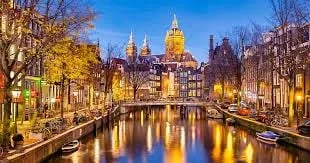
Amsterdam’s Canal Ring is UNESCO World Heritage-listed, and Canal Cruises offer a unique vantage point for bridges, gabled houses, and waterfront streets. DMCs often recommend private cruises for:
- Tailored routes based on interests (architecture, history, photography)
- Better photo moments with flexible pacing
- Personal commentary instead of generic narration
More to add: Vondelpark and seasonal Keukenhof
For a relaxed break near the museums, Vondelpark spans about 120 acres and suits walking, cycling, or picnics. In spring, DMCs can arrange a guided day trip to Keukenhof Gardens, famous for millions of tulips during the seasonal opening.
.jpg)
Neighborhoods, Food & Local Flavors (Jordaan to Markets)
Jordaan Neighborhood: small streets, big character
The Jordaan Neighborhood is one of Amsterdam’s most intimate areas, known for narrow streets, quiet canals, boutique shops, and hidden galleries. It suits travelers who want a slower pace and a more local feel. A DMC often builds a curated walking tour here, adding short stops that visitors might miss on their own—like a small studio gallery, a specialty coffee bar, or a courtyard garden tucked behind canal houses. This approach also helps with timing, so groups can enjoy the area without feeling rushed.
Dutch food tours: taste the city with context
Dutch food tours are a practical way to understand local culture because guides explain what people eat, when they eat it, and why it matters. DMCs can tailor tastings for allergies, vegetarian needs, or halal preferences while still keeping the experience authentic. Common must-tries include:
- Cheese tastings (often paired with local stories about trade and farming)
- Bitterballen (a classic Dutch bar snack)
- Stroopwafels (best when warm and freshly made)
- Fresh herring (a traditional street-food moment)
Elena Vos, Founder of DutchGetaways: "Tasting a single stroopwafel on a canal-side bench tells a stranger story about Amsterdam—food anchors memory."
Markets & food halls: Albert Cuyp Market and Foodhallen
For variety in one stop, DMC itineraries often include the Albert Cuyp Market, a lively place to sample snacks, shop for local goods, and see everyday Amsterdam in action. For a modern indoor option, Foodhallen offers many counters under one roof, making it easy for families and groups to mix choices while still eating together.
Heineken Experience and respectful Red Light District touring
The Heineken Experience adds an interactive layer to food-and-drink planning, combining brewery history with tastings; DMCs may arrange private or VIP options to reduce waiting and improve pacing. For the Red Light District, guided tours are recommended for cultural sensitivity, focusing on social history and local rules rather than voyeurism.
Practical Itineraries & Time Management (sample 3-day plan)
A well-paced Amsterdam itinerary helps first-time visitors cover top Things To Do without burnout. A Destination Management Company (DMC) typically builds days around early entry times (many major museums open at 9 AM), pre-booked tickets, and short transfers, then balances culture with relaxed neighborhood time.
Marieke Janssen, Senior Itinerary Planner: "Staggering museum visits and inserting low-key afternoons prevents itinerary fatigue—travelers remember details, not just checklists."
Sample 3-day plan (optimized for flow and energy)
- Day 1: Museumplein + Vondelpark reset
Morning (start at 9 AM): Rijksmuseum with a guided or private option to move efficiently through key works.
Early afternoon: Van Gogh Museum (timed entry reduces waiting).
Late afternoon: Walk or bike into Vondelpark for a calm stroll, café stop, or picnic—an easy way to recover after a museum-heavy start. - Day 2: History + Jordaan + Canal Cruises
Morning: Anne Frank House (advance tickets are essential; a DMC targets quieter slots).
Midday: Jordaan walking tour for boutique streets, small galleries, and local cafés.
Evening: Canal Cruises at off-peak times; a private boat can add flexible boarding, drinks, and a quieter route through UNESCO-listed canals. - Day 3: Local flavor + flexible add-ons
Morning: Heineken Experience or Foodhallen for a casual tasting-focused visit.
Midday: Albert Cuyp Market for street food, cheese, and souvenirs (easy to tailor for dietary needs).
Afternoon option (spring): Keukenhof day trip arranged with timed transport and entry to avoid long lines.
Time-saving tips DMCs use
- Schedule major museums early (9 AM openings) and keep afternoons lighter.
- DMC-arranged transfers reduce navigation time and keep groups synchronized.
- Reserve premium slots for museums and Canal Cruises to avoid peak crowds.
- 24/7 support allows quick changes if weather, queues, or interests shift.
Wild Cards & Cultural Context (quotes, hypotheticals, analogies)
Hidden Amsterdam: the “wild card” that makes a plan feel personal
In well-known cities, the most memorable moments are often the ones a traveler did not expect. A DMC can add Hidden Amsterdam touches—like a boutique gallery visit, a quiet cafe in Jordaan, or a behind-the-scenes stop—without breaking the flow of the day. Research and traveler feedback often show that surprise elements, such as private viewings or small wellness pauses, raise the perceived value of a trip because they feel rare and made-to-order.
A simple hypothetical: a history lesson on water
Imagine a private canal boat at sunset. Instead of a standard audio guide, a local historian explains the Dutch Golden Age while the city’s UNESCO-listed canals pass by like a moving timeline. The same route becomes more than scenery; it becomes context. This is where expert-led cultural framing changes Amsterdam tours from “checking boxes” into real understanding—especially when the day also includes the Rijksmuseum or the Van Gogh Museum, where stories behind the art can connect to what travelers just saw outside.
Analogy: a DMC as a conductor
Planning Amsterdam alone can feel like holding scattered instruments: museums, neighborhoods, canal cruises, food stops, and day trips. A DMC works like a skilled conductor, turning those separate sounds into a coherent symphony. Timing is adjusted to avoid crowds, transitions are smooth, and the “tempo” matches the traveler—fast for first-timers, slower for families, or reflective for solo visitors.
Pieter Groen, Founder & DMC Specialist: “A single private viewing or unexpected local guide can shift how a traveler remembers an entire city.”
Practical wild cards: wellness and visa support
Small comforts can change mood and flexibility. A guided slow morning, a spa stop between the Rijksmuseum and dinner, or a calm wellness reset after a long flight can protect energy for evening plans. Visa services and visa support also matter more than many travelers expect; when paperwork and transfers are handled, the itinerary stays stable—even if plans shift. In spring, a Keukenhof day trip becomes an easy add-on rather than a logistical puzzle, keeping the focus on experience, not stress. In the end, these wild cards help visitors leave Amsterdam feeling they did not just see the city—they understood it.
.jpg&w=256&q=75)