The writer remembers arriving in Istanbul for a small tech summit and watching a convoy of delegates move seamlessly from a waterfront gala at Çırağan Palace Kempinski to a morning session at the Haliç Congress Center — all coordinated by a local DMC. That hands-on experience crystallized a simple idea: Turkey isn’t merely picturesque, it is operationally astute for B2B travel and MICE. This guide distills practical takeaways, seasonal timing, city-by-city opportunities and the tech and compliance details planners can’t afford to miss.
1) Why Turkey Now: Strategic Edge for B2B Travel
Crossroads location that speeds up B2B Travel
Turkey’s advantage for B2B Travel starts with geography. Sitting between Europe and Asia, it shortens flight times for mixed regional groups and supports multi-city programs without long transfers. Istanbul is the main gateway, with strong international connectivity and a mature supplier network that helps planners move fast from bid to delivery.
Market momentum in Turkish Tourism and MICE Venues
Turkish Tourism continues to build scale and quality at the same time. Visitor arrivals reached 58 million by November 2025, with a 65 million target for the full year. Looking ahead, the sector expects moderate visitor growth in 2026, supported by demand from Europe and Russia. This growth-friendly environment matters for corporate planners because it drives more air capacity, more hotel inventory, and stronger competition among MICE Venues.
Industry forecasts also point to higher value segments. TURSAB expects $68.7 billion in tourism revenue in 2026, with a clear focus on premium travel, including MICE. For organizers, that signals continued investment in venues, service standards, and event technology.
City mix: distinct MICE value in one country
- Istanbul: flagship meetings hub with venues like Haliç Congress Center and Çırağan Palace Kempinski.
- Ankara: strong for large congresses and institutional access, including ATO Congresium.
- Antalya: resort-based incentives and beachfront gala options.
- Izmir: modern exhibition capacity at Kültürpark Exhibition Center plus Aegean dining and vineyards.
- Bursa, Cappadocia, Ephesus, Gaziantep: add thermal spas, outdoor team-building, heritage backdrops, and gastronomy-led programs.
Ayse Demir, DMC Director: "Local know-how shortens timelines and secures venues that are otherwise off-limits to international teams."
Seasonal sweet spots and the shift to Year Round demand
Turkey is pushing a Year Round model to reduce peak-season pressure and improve value in shoulder months. For most groups, the best windows are April–June and September–November, when weather is comfortable and cities are active with local events.
Dr. Mehmet Yilmaz, Tourism Economist: "Targeting shoulder seasons reduces costs and unlocks year-round MICE demand."
2) The DMC Advantage: Logistics, Local Access and Cost Efficiency
Destination Management that removes friction
For international planners, a Turkey-based DMC acts as the local operating team that turns a program brief into a workable plan across cities like Istanbul, Antalya, Cappadocia, Izmir, Ankara, Bursa, Ephesus, and Gaziantep. This support is especially valuable when timelines are tight and multiple suppliers must align.
- Permits and local compliance for venues, public spaces, and special events
- Airport meet-and-greet, transfers, routing, and contingency transport
- Accommodation sourcing, rooming lists, and group check-in support
- Technical production, AV support, staging, and hybrid meeting setup
- Multilingual on-site staff for guest handling and speaker support
- Vendor negotiations for catering, entertainment, décor, and security
Elena Rossi, Corporate Events Consultant: "A local DMC is the difference between a smooth three-day summit and a logistic headache; they anticipate problems before the client sees them."
B2B Partnerships, Travel Partnerships, and smarter buying power
DMCs strengthen B2B Partnerships by connecting organizers to trusted local vendors and exclusive sites that outside planners may not access directly. These Travel Partnerships also help market expansion and cost-sharing—key benefits in multi-country programs or rotating annual meetings.
Cost efficiency often comes from negotiation leverage and timing. With rising costs, pricing flexibility and early commitments matter; planners report that early-booking strategies can mitigate increases by 5–20% through better venue availability and locked-in supplier rates.
DMCFinder + Digital Sales: faster sourcing, better distribution
Platforms like DMCFinder shorten supplier discovery by routing planners to vetted local providers, helping compare capabilities, and speeding up RFP cycles. This supports modern distribution trends: 81% of professionals forecast an online booking surge, making Digital Sales and AI automation increasingly important for group travel and MICE operations.
Sustainability Practices and risk mitigation
DMCs increasingly offer Sustainability Practices aligned with corporate ESG and tender requirements, including green-certified hotels, low-impact transport options, and waste-reduction planning.
Ozan Kaya, Sustainable Events Advisor: "Green-certified hotels and eco partnerships are no longer optional for corporate buyers seeking long-term contracts."
For secure, reliable planning workflows, many event-service websites also rely on cookie and analytics stacks such as Cloudflare, CookieYes, HubSpot, Google Analytics, Dynatrace, Sourcebuster, and WordPress to manage consent, performance, and user preferences.
.jpg)
3) City-by-City Planner’s Cheat Sheet
Turkey’s top cities support Corporate Events across key Travel Trends: stronger demand for premium incentives, health and wellness add-ons, and shorter, high-impact programs shaped by domestic and short-distance holiday habits. A local DMC can align venues, permits, transport, and suppliers fast—especially during peak fair weeks like EMITT and the Istanbul Jewelry Show.
Istanbul: flagship MICE Venues + VIP gala power
Istanbul suits large congresses and high-end receptions thanks to air connectivity, hotel depth, and “historic-meets-modern” settings.
- Haliç Congress Center: strong for 500–5,000+ delegates, plenaries, exhibitions.
- Çırağan Palace Kempinski: waterfront prestige for VIP dinners and Luxury Stays.
- Best for: product launches, association meetings, trade-fair tie-ins.
Mustafa Demir, Conference Venue Manager: "Pairing historical sites with modern AV capabilities sells out programs faster than plain ballrooms."
Cappadocia & Antalya: Incentive Programs that feel “once-in-a-lifetime”
These destinations lead Turkey’s growth in premium incentives and wellness-led itineraries.
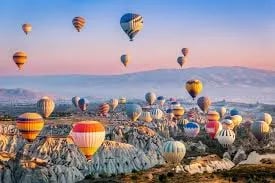
- Cappadocia: sunrise hot air balloons, cave dining, guided treks in Göreme National Park—ideal for leadership offsites and team bonding.
- Antalya (the “Turkish Riviera”): five-star beachfront resorts, seaside gala dinners, golf, water sports, and adventure activities.
Leyla Arslan, Head of Incentive Travel: "A sunrise balloon ride in Cappadocia becomes the memorable spine of an incentive itinerary — attendees still talk about it years later."
Izmir, Ephesus, Bursa, Ankara, Gaziantep: boutique meetings + culture and wellness
| City | Best-fit event types | Planner-ready ideas |
|---|---|---|
| Izmir | Mid-size meetings, brand retreats | Kültürpark Exhibition Center, Aegean-view venues, vineyard tours, sunset dinners |
| Ephesus | Cultural workshops | Roman-ruins backdrop for curated talks and guided immersion |
| Bursa | Wellness + meetings | Thermal spa resorts, Green Mosque, Mount Uludağ add-ons |
| Ankara | Large conferences | ATO Congresium, policy access, embassy and NGO proximity |
| Gaziantep | Culinary incentives | UNESCO Creative City of Gastronomy: banquets, hands-on cooking workshops |
4) Practical Checklist: Tech, Compliance, Timing and Budgeting
Operations Checklist (Permits, People, and On-Site Flow)
- Permits and venue rules: confirm city/municipal permissions, security plans, and any cultural-site restrictions (common in Istanbul, Ephesus, and heritage venues).
- AV and production specs: lock room diagrams, power load, rigging points, translation booths, and hybrid streaming needs before signing.
- Airport transfers: set meet-and-greet standards, VIP lanes where available, and contingency routing for traffic in Istanbul.
- Multilingual staffing: schedule English-first hosts plus Arabic/Russian/European languages based on delegate mix.
- Curated F&B: confirm dietary labels, alcohol licensing, and local entertainment permissions for gala dinners.
Many planners reduce risk by routing these items through a Turkey-based DMC that can align vendors, timelines, and local compliance in one workflow.
Digital Transformation: Website, Data, and Privacy Readiness
Event sites and registration pages should document the digital stack and responsibilities. As Selin Kaya, Legal Counsel for Events, notes:
"Data processing and clear cookie consent mechanisms must be baked into RFPs when working with international delegates."
Common tools to list in vendor SLAs and data-processing agreements (GDPR-like expectations):
- Cloudflare (security/bot protection)
- CookieYes (consent management)
- HubSpot (CRM/marketing automation)
- Google Analytics (analytics)
- Dynatrace (performance monitoring)
- Sourcebuster (attribution)
- WordPress (CMS)
Hotel Distribution, OTAs Turkey, and Pricing Strategy
Hotel Distribution is shifting toward omnichannel selling and NDC-style connectivity, influencing how OTAs Turkey package rooms and corporate rates. Daniel Hart, OTA Distribution Lead, states:
"OTAs and hotel distribution channels are leaning heavily on omnichannel and NDC tech for 2026 readiness."
For a resilient Pricing Strategy, planners should:
- negotiate via DMCs for bundled rates (rooms, meeting space, transfers, AV);
- use Early Bookings to reduce exposure to 5–20% cost increases;
- keep pricing flexibility (tiered room blocks, release dates, and add-on menus).
Timing and Contract Controls (Including Q4)
Shoulder months (Apr–Jun, Sep–Nov) often deliver better value and smoother logistics. Timing should also reflect domestic and short-distance holidays, which can tighten capacity and affect uptake. Q4 planning should account for non-seasonal demand drivers such as conferences, winter sports, and health tourism.
Contracts (as of Dec 20, 2024 market stance) should include sustainability clauses, clear cancellation and force majeure terms, and written data/privacy responsibilities for every supplier.
5) Wild Cards: Quotes, Scenarios and a Short Analogy
Quote roundup: what practitioners and market watchers keep repeating
Ayse Demir, DMC Director: “When the orchestra is in sync, delegates notice the experience — not the logistics.”
Leyla Arslan, Head of Incentive Travel: “Mixing cultural immersion with incentives yields higher long-term engagement than single-location stays.”
Dr. Kerem Yilmaz, Economist: “In Travel Trends, the winners are the planners who lock in capacity early and build B2B Partnerships that reduce risk.”
Elif Kaya, OTA Partnerships Lead: “Digital transformation is no longer optional; it is how B2B Travel buyers compare value, track changes, and keep travelers informed in real time.”
Scenario: a 300-person product launch across three cities
A global tech brand plans a 300-attendee launch with two main venues in Istanbul, then a short incentive extension. Recommended planning windows are 9–12 months for the congress-style core and 4–6 months for Incentive Programs, with early contracting to protect room blocks and air capacity.
| Day | Location | Program focus |
|---|---|---|
| 1–3 | Istanbul | General sessions + breakouts at Haliç Congress Center; VIP dinner at Çırağan Palace Kempinski |
| 4 | Cappadocia | Incentives: sunrise balloon flights, cave dining, Göreme hikes |
| 5 | Gaziantep | Team-building: hands-on cooking workshop + hosted tasting (UNESCO gastronomy) |
Budget sketch: if the baseline program is US$1,200–1,800 per person (venue, hotels, transfers, F&B, production), early booking plus DMC-negotiated rates can reduce total cost by 5–20%, mainly through better hotel pricing, bundled transport, and supplier terms. For Sustainable Tourism, the DMC can prioritize green-certified hotels in Istanbul, reduce single-use items, and select low-impact local experiences without lowering guest satisfaction.
Short analogy: MICE planning as an orchestra
A multi-city MICE program works like an orchestra: rhythm is logistics (permits, transfers, rooming lists), melody is content (speakers, storytelling, brand moments), and tempo is timing (flight buffers, rehearsal windows, contingency plans). In this model, the DMC is the conductor, aligning partners and tools so delegates remember the message, not the moving parts. This is why strong B2B Partnerships, early decisions, and smart tech workflows are now the most reliable drivers of revenue, resilience, and repeat business in Turkey.