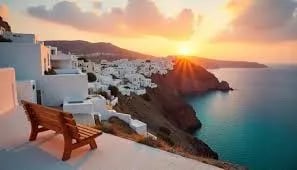
The author remembers arriving in Thessaloniki at dusk, the Thermaic Gulf spread like ink and lights, as a street vendor handed over steaming bougatsa with a grin. That first night—an accidental detour through cobblestoned lanes—set the tone: this is a city that rewards curious feet and flexible schedules. The guide adopts an educational, practical stance while keeping a few personal asides and local whispers to make planning feel less like a checklist and more like a discovery.
Historic heartbeat: must-see monuments and museums
With 2,000+ years of history, Thessaloniki is one of Greece’s richest Historical cultural sites for travelers who want clear, visible links between Roman, Byzantine, and Ottoman eras. Many visitors need two full days to cover the main monuments and the most important museums at a comfortable pace—especially if they add guided visits or private tours arranged by a Destination Management Company (DMC).
White Tower Thessaloniki: waterfront icon and observation points
The White Tower Thessaloniki stands beside the Thermaic Gulf and is often the first stop for understanding the city’s story. Inside, exhibits introduce key periods, while the top level offers White Tower observation views over the sea, Nea Paralia, and the city center. In peak season, a DMC can arrange skip-the-line entry and timed visits that reduce waiting and keep the day on track.
Rotunda UNESCO and the Arch of Galerius: Roman power, Byzantine faith
The Rotunda UNESCO site is a must for tracing Thessaloniki’s changing identity. Built in the Roman era and later used as a Christian church, it shows how one building can carry multiple lives. A short walk away, the Arch of Galerius adds detail through carved scenes that connect visitors to imperial Rome. Together, these landmarks make the city’s “layers” easy to see.
Dr. Maria Koulouri, Cultural Historian: "Thessaloniki’s layers—Roman, Byzantine, Ottoman—are tangible; guided context transforms a visit into understanding."
Roman Forum archaeology and the Upper Town walls
In the center, Roman Forum archaeology reveals an ancient public space beneath modern streets. For higher viewpoints, Ano Poli’s Byzantine walls lead to the Trigonion Tower, known for wide city panoramas and sunset photos. Nearby, several Byzantine churches are over 1,000 years old, offering quiet interiors and strong local character.
Archaeological Museum collections and the Museum of Byzantine Culture
For curated context, the Archaeological Museum collections present finds from Macedonia and Thessaloniki, while the Museum of Byzantine Culture explains daily life, art, and belief across centuries. Many museums can offer private tours through a DMC, which helps visitors focus on key objects instead of rushing through galleries.
Markets, food and the city’s pulse
Markets local areas: where Thessaloniki eats
To understand Thessaloniki’s daily rhythm, visitors often start in the Markets local areas around the historic center. Modiano Market local is a standout for culinary exploration, with tightly packed stalls selling cheeses, olives, spices, and fresh fish. Kapani Market (Agora Vlali) adds a louder, older-school energy—ideal for quick bites and photos of colorful produce piled high.
Small tastings here can be budget-friendly, and they help travelers build a “flavor map” before restaurant meals. A simple coffee stop nearby typically costs €2.53–4.10, making market mornings easy to plan without overspending.
What to taste: bougatsa, souvlaki, and sea-to-stall seafood
Market browsing pairs naturally with local street classics. Many visitors try bougatsa (often filled with custard or cheese) for breakfast, then move to souvlaki later as the city gets busier. Seafood lovers can look for the day’s catch on ice—then follow that craving to the waterfront.
One memorable detail that captures the city’s warmth: the author once traded a recipe tip with a fishmonger at Modiano—proof that the best travel moments are often small, human exchanges.
Seafood tavernas ouzeries and the Nea Paralia waterfront
Along the Thermaic Gulf, Seafood tavernas ouzeries serve grilled fish, fried calamari, and meze designed for sharing. An evening walk on the Nea Paralia waterfront—a 3-mile (5-kilometer) seaside promenade—connects food with the city’s open-air lifestyle, especially at sunset when locals fill benches and bike lanes.
Aristotelous Square and Nightlife entertainment venues
For relaxed people-watching, rooftop cafés near Aristotelous Square overlook one of the city’s main meeting points. After dark, nearby Nightlife entertainment venues range from casual bars to music spots, keeping the center lively without feeling staged for tourists.
How a DMC upgrades food experiences
Alexandros Papadopoulos, DMC Director: "Local markets are the city’s living rooms—perfect for immersive food experiences, and DMCs amplify access."
A Destination Management Company (DMC) can arrange food-focused walking tours, market introductions, and private tastings with local chefs—useful for travelers who want context, smoother logistics, and deeper access than self-guided sampling.
.jpg)
Why use a DMC: logistics, VIP access and curated itineraries
Logistics made simple in a city center compact destination
In any Thessaloniki travel guide, the biggest challenge is not finding things to do—it is fitting them in smoothly. Thessaloniki’s highlights sit close together, but timing still matters: museum hours, traffic, and the best slots for markets and waterfront walks. A Destination Management Company (DMC) removes the planning load by handling flights, budget accommodation hotels or luxury stays, airport transfers, and day-to-day transport (including guidance on transportation taxi buses options). This is especially helpful for families and groups who need reliable pick-ups, clear meeting points, and backup plans.
Curated plans that maximize a Two days itinerary
Two full days is often the sweet spot for first-time visitors, and DMC services can optimize that time with a tailored schedule for history lovers, food-focused travelers, or those who want a slower coastal pace along the Thermaic Gulf. As Eleni Mitsotaki, DMC Operations Manager, explains:
"A well-designed DMC itinerary turns limited time—like a two-day visit—into a relaxed, curated experience without stress."
Instead of zig-zagging across the city, a DMC groups nearby sites—such as the Rotunda, the Arch of Galerius, and Aristotelous Square—then builds in smart breaks for bougatsa, souvlaki, and market stops at Modiano or Kapani.
VIP access: Skip queues White Tower and more
One of the clearest benefits is VIP coordination. DMCs can arrange Skip queues White Tower entry, private museum guiding at the Archaeological Museum, and reserved tickets for concerts, festivals, and cultural events that independent travelers may miss. For special interest groups, they can also organize private walks in Ano Poli, including viewpoints near the Byzantine walls and the Trigonion Tower.
Trusted local networks for safety, value, and specialized travel
DMCs rely on vetted partners—multilingual guides, trusted hotels, and local suppliers—often securing competitive pricing while improving comfort and safety. Their scope typically includes:
- Leisure and luxury travel planning
- Group travel coordination and student travel
- MICE programs (Meetings, Incentives, Conferences, Exhibitions)
- Wellness and special interest tours, plus day trips to Mount Olympus or Halkidiki
One group even had a midnight archaeological talk arranged inside a museum—proof that the right DMC can unlock memory-making moments while quietly managing every detail.
Day trips, nature escapes and nightlife
Thessaloniki as a gateway: mountains, sea, and easy access
Thessaloniki works well as a base for short adventures because the city is compact and walkable, and arrivals are simple via Macedonia International Airport, about 11 miles south of the center. It also sits roughly 320 miles by road from Athens, making it a practical northern hub for travelers who want variety without changing hotels every night.
Myth and trails: Mount Olympus day trips
Many visitors plan a guided excursion to Mount Olympus, the legendary home of the Greek gods. A Destination Management Company (DMC) can match the day to the group’s pace—scenic viewpoints, gentle nature walks, or longer hikes with a certified guide and arranged transfers. This is especially helpful for timing, safety, and choosing the best trail for weather conditions.
Panagiotis Vassilios, Adventure Tour Guide: “Mount Olympus and Halkidiki are natural complements to Thessaloniki—history by the city, myth and sea nearby.”
Sea escape: Halkidiki beach resorts and boat tours
For a classic summer break, day trips to Halkidiki beach resorts deliver clear water, organized beaches, and relaxed seaside dining. DMCs often arrange beach transfers, private boat tours, and swim stops, which can save time during peak season and help travelers reach quieter coves.
Culture-to-coast itinerary: Roam around Ano Poli
A popular plan blends history with the sea: Roam around Ano Poli (the Upper Town) in the morning, then head to Halkidiki in the afternoon. Ano Poli is known for its old streets, viewpoints, and the Byzantine fortifications walls, which frame some of the best city panoramas.
After dark: Nightlife entertainment venues in Ladadika and rooftops
Thessaloniki’s evenings are a major draw. The Ladadika district concentrates many Nightlife entertainment venues, from casual bars to late-night music spots. Rooftop cafés and bars add sea views over the Thermaic Gulf, while the city calendar often includes concerts, festivals, and theater. A DMC can secure tickets, reserved tables, or behind-the-scenes access when events sell out.
If it rains: smart indoor swaps
- Switch to museum visits and curated city walks
- Book a private culinary class (often arranged by a DMC) focused on local favorites like bougatsa
Practical snapshot: timing, costs and getting around
How much time: a realistic two days itinerary
For most first-time visitors, two full days is the sweet spot for the city’s core highlights. A simple Two days itinerary can cover the White Tower and the Nea Paralia waterfront, the Rotunda and Arch of Galerius, Aristotelous Square, and a walk through Ano Poli to the Byzantine walls and viewpoints. Travelers who want beach time in Halkidiki or a guided hike near Mount Olympus should add at least one to three extra days, since these day trips take time even with organized transfers.
Costs in 2026: Budget accommodation hotels and daily basics
Thessaloniki stays friendly for value-focused planning. As Sofia Nikolaidou, Travel Economist, notes:
“Budget travelers find Thessaloniki pleasantly affordable—transport and local food keep costs low compared to many European cities.”
For 2026 budgeting, an Airbnb averages around €50/night, while Budget accommodation hotels (basic, well-located properties) average about €81/night. A coffee typically costs €2.53–4.10, depending on the venue and neighborhood. Public transport is also low-cost, with a standard bus ticket around €0.60, which helps keep daily spending predictable.
Transportation taxi buses: airport, city center, and day trips
Macedonia International Airport sits about 11 miles (18 km) south of the city, so arrivals can reach central Thessaloniki by Transportation taxi buses, private car, or pre-booked transfers. Athens is roughly 320 miles (515 km) away, making Thessaloniki a practical standalone break or a northern Greece base. In peak season, booking airport transfers and high-demand attraction tickets through a Destination Management Company (DMC) can reduce waiting and lock in better rates, especially for private guides and timed entries.
Getting around on foot: seaside promenade walks
The city center compact layout makes sightseeing easy without a car. Many landmarks sit within comfortable walking distance, and Seaside promenade walks along Nea Paralia stretch about 3 miles (5 km), linking parks, cafés, and sunset viewpoints. For longer hops, buses and taxis fill the gaps, while cycling works well along the waterfront and flatter central routes.
.jpg&w=256&q=75)