A seasoned guide once remembers watching a sunrise over the Kruger plains and realizing the trip that mattered most wasn't the one that checked boxes, but the one that lingered. This piece frames South Africa through that lens: an invitation to slower, hobby-led, and deeply curated journeys. It opens with an anecdote about a family who traded a frantic two-week dash for a three-week stay split between Cape Town's winelands and a private Kruger circuit—discovering that longer stays unlocked quieter mornings, better photos, and conversations with locals that changed their view of travel.
1) Why a DMC Matters: Local Knowledge & Exclusive Access
Local expertise that goes beyond the highlights
South Africa rewards travelers who slow down and go deeper—but its size and variety can make planning complex. A Destination Management Company (DMC) brings local knowledge that helps visitors experience both famous landmarks and quieter places that are easy to miss. That means pairing Kruger National Park safaris with time on Table Mountain, a meaningful visit to Robben Island, and well-paced days around the V&A Waterfront—while also adding hidden coastal coves, small-town food stops, or community-run wine tastings in Stellenbosch.
Sibusiso Nkosi, Founder of Ubuntu DMC: “A well-crafted itinerary is the difference between seeing a place and understanding it.”
Personalized travel itineraries South Africa can’t be “one-size-fits-all”
In 2026, “slow, deep & lux” travel is less about doing everything and more about doing the right things. DMCs build Personalized travel itineraries South Africa that match pace, interests, and comfort level—such as combining wildlife, culture, and food without long, tiring transfers. They also manage the details that shape the trip: accommodation and activity bookings, timing, guides, and realistic travel days between regions.
Exclusive travel experiences through local partnerships
Many Exclusive travel experiences depend on relationships that independent travelers do not have. Research and on-the-ground feedback show DMCs can unlock private and VIP moments, including:
- Private Kruger National Park safaris with expert trackers and flexible game-drive schedules
- Bespoke Robben Island visits, including curated historical context and viewing Nelson Mandela’s cell
- Behind-the-scenes winery access in Franschhoek and curated tastings in Stellenbosch
- VIP festival access and tailored event planning when dates align
On-the-ground problem-solving and safety-aware routing
A DMC also acts as a local operations team. They arrange private transfers, advise on safer routing across diverse environments, and step in when plans change—such as flight delays or last-minute booking shifts. Many also support practical needs like visa services, helping travelers stay focused on the experience. Insights and framing updated as of December 19, 2024.
2) Slow, Hobby-Led & Meaningful Travel: The 2026 Shift
In 2026, South Africa is increasingly planned as a place for Deeper connections travel, not a checklist. Instead of racing from Cape Town to the Garden Route to Kruger in a few days, travelers are choosing slow immersive journeys: longer stays, fewer hotel changes, and more time to learn the stories behind places like Robben Island, the Apartheid Museum, and local neighborhoods beyond the V&A Waterfront.
Dr. Aisha Mbeki, Travel Anthropologist: "Slow stays turn fleeting impressions into lasting relationships—with landscapes, with people, and with place."
Slow immersive journeys: fewer stops, richer days
This shift fits South Africa’s scale and variety. A slower pace makes it easier to combine iconic highlights—Table Mountain, the Cape Winelands, Kruger National Park, the Drakensberg Mountains, and the Blyde River Canyon—without travel fatigue. It also supports Meaningful travel experiences, such as guided cultural visits, conservation-focused safaris, and time for local food markets and community-led tours.
Hobby-led holidays are reshaping itineraries
Industry trend analyses for 2025–2026 show that 72% of global travellers have taken Hobby-led holidays, rising to 84% among Gen Z. In South Africa, hobbies naturally connect to place: wildlife photography, wine education, hiking, surfing, and heritage learning. Food is a major driver too—research shows 83% cite food and gastronomy as a key travel motivator—so cooking, tasting, and chef-led experiences are moving from “extra” to “main event.”
- Cape Winelands: extended stays in Stellenbosch or Franschhoek for cooking classes, cellar tours, and slow lunches paired with local wines.
- Kruger National Park: week-long photographic safaris with expert wildlife interpretation and unhurried game drives.
- Drakensberg: yoga and hiking retreats designed for recovery, nature, and quiet mornings.
Wellness, nostalgia, and “lux-scaping”
Another 2026 pattern is lux-scaping: mixing luxury stays with meaningful activities—spa time plus a guided history visit, or a high-end lodge paired with conservation learning. Digital-disconnect days, private transfers, and on-the-ground support from a DMC also help travelers stay present, feel secure, and go deeper rather than wider.
.jpg)
3) Must-Do South Africa Experiences & Sample Micro-Itineraries
Wildlife & Safari: Safari wildlife encounters that feel personal
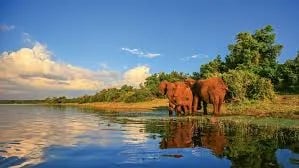
In 2026, many travelers want fewer hours in a vehicle and more time on foot, in hides, and in quiet viewing areas. Kruger National Park safaris remain the anchor experience, especially when led by expert guides who explain tracks, bird calls, and animal behavior. Extended stays also suit hobbyists and photographers, who often capture better light and more natural moments by slowing down.
James Morton, Safari Guide & Photographer: “A sunrise on an early walking safari often reveals more intimate wildlife moments than any vehicle drive.”
- Guided game drives with expert interpretation
- Optional walking safaris and immersive bush experiences
- Hide photography sessions near waterholes
- Stargazing in low-light safari regions
Coast & Cities: mountains, waterfronts, and warm-water beaches
Cape Town delivers high-impact days without rushing: a Table Mountain hike for panoramic views, followed by an easy afternoon at the V&A Waterfront for shopping, galleries, and harbor dining. For a different coastal rhythm, Durban’s beaches add swimming, surf lessons, and water sports—ideal for families and travelers who want downtime between bigger touring days.
Cultural & Gastronomy: history plus Food gastronomy tourism
South Africa’s “slow, deep & lux” trend also shows up in culture and cuisine. In Johannesburg, the Apartheid Museum supports a clear, educational understanding of the country’s recent past. In Cape Town, Robben Island tours add meaning through place-based storytelling. For Food gastronomy tourism, the Cape Winelands—especially Stellenbosch and Franschhoek—combine cellar tastings with chef-led pairings and relaxed long lunches.
Sample micro-itineraries (easy to tailor with Curated safari itineraries)
- 10 days: “Slow Safari & Wine”
5 nights private lodge near Kruger (mix of drives, walking safaris, hide photography, optional Blyde River Canyon boat trip)
5 nights Stellenbosch/Franschhoek (wine tastings, farm-to-table dining, rest days) - 14 days: “Garden Route & Heritage” (multigenerational)
Cape Town base (Table Mountain, V&A Waterfront, Robben Island)
Garden Route drive (Knysna Lagoon, Cango Caves, beach time)
Add-on options: Drakensberg Mountains hikes, Blyde River Canyon viewpoints
4) Safety, Logistics & Tech-Enhanced Planning
Personalized travel passion, without the planning stress
South Africa’s distances and variety—Cape Town icons like Table Mountain and the V&A Waterfront, the Cape Winelands, Kruger safaris, and the Garden Route—make logistics a real part of the trip. In 2026, many leisure travelers lean on a Destination Management Company (DMC) to turn Personalized travel passion into a workable plan. A DMC can manage visa services, confirm permits and timed entries (such as Robben Island), and coordinate private transfers so travelers spend less time troubleshooting and more time experiencing the destination.
Tech-enhanced safari planning meets local judgement
Research insights for 2025–2026 show a rise in digital planning tools that improve speed and customization, especially for Tech-enhanced safari planning. The strongest results come when tech is paired with on-the-ground expertise: digital tools help build and share itineraries, while DMC teams handle real-world details like road conditions, seasonal wildlife patterns, and last-minute lodge availability.
“Tech shouldn’t replace local judgement; it should amplify it—making safe, tailored trips faster to book and easier to adapt.”
Lindiwe Mashabela, CEO of Coastal Routes DMC
Platforms that simplify choices and coordination
Travel directories and platforms support planning with practical features such as geolocation, account management, and detailed service listings. Many also enable social sharing across 10+ networks—Facebook, Twitter, LinkedIn, WhatsApp, Telegram, Pinterest, Tumblr, and VKontakte—so groups can align on options quickly.
- Browse by category: adventure tours, luxury hotels, wine tours, event planning
- Book essentials: private transfers, visa services, guides, and activities
- Save and update itineraries when flights, weather, or park rules change
Safety and contingency planning for a “Digital disconnect nature” trip
Many travelers want Digital disconnect nature time on safari or along the coast, but still expect strong support in the background. DMCs add safety value by advising on secure neighborhoods, best seasons and times to visit, and when private transfers are the smarter choice. They also build contingency plans for delays—reconfirming pickups, shifting activity times, and protecting key experiences like Kruger game drives or Winelands tastings when schedules change.
5) Practical Tips, Budgeting & Wild Cards
Budgeting with “lux-scaping” and Affordable tented camps
For 2026, smart budgeting in South Africa often looks like lux-scaping: a few high-end nights (for example, a premium lodge near Kruger National Park or a top hotel near the V&A Waterfront) balanced with Affordable tented camps that still deliver comfort, great guiding, and a closer-to-nature feel. This mix keeps the trip “Slow, Deep & Lux” without making every night a peak-rate splurge. Flexible safari circuits also help; shifting dates by a day or two, or combining a private reserve with a national park stay, can unlock better value while keeping wildlife time high.
Multigenerational travel groups: plan for hobbies, not just highlights
Multigenerational travel groups and “tribal” friend trips are rising, and they tend to spend better when the itinerary is tailored around shared interests. A DMC can build hobby-led days—wine and food in Stellenbosch and Franschhoek, history in Johannesburg’s Apartheid Museum, gentle boat time on Knysna Lagoon, or scenic drives through Blyde River Canyon—while also negotiating group-friendly rates and smoothing logistics like private transfers. This approach reduces decision fatigue and keeps different ages engaged without rushing.
Packing, timing, and Wellness reconnection travel
Practical planning makes the difference between a good trip and an easy one. Early morning safaris are cold on the vehicle, even when days warm up, so layers matter. For Drakensberg hikes, comfortable shoes and a light rain layer are essential. Seasonality is also part of Wellness reconnection travel: whales are best timed to the right coastal months, and flower blooms reward travelers who plan around nature’s calendar. On the ground, simple tools—local SIMs, geolocation apps, and pre-arranged pickups—reduce stress, and DMC support can include visa services and real-time changes when flights or weather shift.
Wild card: slow travel is like savouring a long vintage
Slow travel in South Africa works like savouring a long vintage: the longer it breathes, the more it reveals. What if a traveler extends a Cape Winelands stay by three days? They will likely double their chances for table-side meals, cellar-door conversations, and artisan encounters that do not fit into a tight loop.
Nokuthula Dlamini, Culinary Guide: "Food is often the quickest bridge between visitor and host—more meals, more stories."
In 2026, the practical “wild card” is time: adding a few unhurried days can turn a well-planned itinerary into a truly personal one.
.jpg&w=256&q=75)