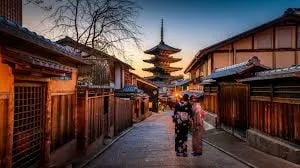
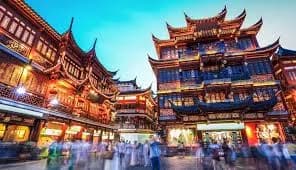
A traveler arrives at Tokyo Haneda at dawn, clutching a cramped itinerary and a phrasebook. Within hours a local DMC guide has swapped confusion for clarity—reserving a ryokan with an onsen view of Mount Fuji, timing a hanami stop in Ueno Park, and threading bullet train transfers into a smooth Golden Route loop. This post explains why a Destination Management Company is often the quiet hero behind seamless, culturally rich Japan trips in 2026.
1) Why Hire a DMC for Japan Travel?
Japan Travel is famous for its mix of old and new—quiet temples, bright city streets, and seasonal highlights like sakura and Mount Fuji views. But for First Timers, the country can feel hard to plan due to language barriers, strict etiquette, and a transport system that is fast but complex. A Destination Management Company (DMC) solves these issues by acting as a trusted local partner. As Josh noted in the source published December 12, 2024, a DMC helps visitors enjoy Japan without the stress of constant decision-making.
Josh: "A DMC can turn a frantic first-time itinerary into an unhurried cultural experience with local nuance."
Local knowledge beyond the usual Tokyo–Kyoto loop
DMCs bring deep local insight that goes beyond standard guidebooks. They can balance must-see places—like Fushimi Inari Shrine and Arashiyama Bamboo Grove—with smaller experiences that many travelers miss. This includes arranging a stay in a traditional ryokan with tatami rooms and kaiseki meals, or planning food-focused evenings in Osaka’s Dotonbori for takoyaki and okonomiyaki.
- Private tea ceremonies and cultural workshops
- Kimono fittings with guidance on etiquette
- Sumo viewing arrangements (when available)
Language, etiquette, and cultural mediation
A Destination Management Company helps travelers communicate clearly and behave respectfully in situations where rules are unspoken—such as shrine visits, onsen bathing, and dining customs. This support reduces awkward moments and adds context, making visits to places like Hiroshima Peace Memorial Park or Nara’s Todai-ji Temple more meaningful.
Keiko Tanaka, DMC Specialist: "Timing and local contacts make cherry blossom viewing and onsen stays truly memorable."
Logistics pros: Shinkansen Travel, transfers, and timed entry
DMCs are valued for logistical support: booking Shinkansen Travel, coordinating airport transfers, and securing timed entry for popular sites. They also build realistic pacing—especially helpful for a recommended 7-day Golden Route plan:
- Tokyo (2–3 days)
- Kyoto (2–3 days)
- Osaka (1–2 days)
- Hakone/Mount Fuji (1–2 days)
2) Building the Golden Route — Tokyo, Kyoto, Osaka and Mount Fuji
The Golden Route is the classic first-time plan because it blends modern city life with historic culture and iconic nature. Many travel planners still recommend a 7-day version as the most realistic starting point, especially for visitors who want a smooth pace and fewer transport mistakes. As Hiroshi Matsuda, Travel Planner, notes:
"A well-timed Golden Route gives first-timers a balanced taste of urban energy and classical Japan."
Classic Golden Route flow (easy to follow)
A simple order reduces backtracking and makes Shinkansen travel efficient:
- Tokyo (2–3 days)
- Hakone / Mount Fuji (1–2 days)
- Tokyo Kyoto transfer by Shinkansen, then Kyoto (2–3 days)
- Osaka (1–2 days)
- Optional: Hiroshima day trip or overnight
Tokyo: plan around crowds and timing
Tokyo rewards early starts. A practical rule is to schedule the busiest areas on weekdays and keep flexible, local neighborhoods for weekends. A DMC can also help with timed entries and route planning, which matters in a city where language barriers and station size can slow visitors down.
Hakone and Mount Fuji: clear-weather windows + Hakone Onsen
Hakone Onsen is a top choice for travelers who want hot springs with a chance of Mount Fuji views. Because visibility changes fast, it helps to place Hakone in the itinerary where a DMC can adjust sightseeing times for the clearest morning or late-afternoon conditions. Many visitors also prefer a ryokan stay for tatami rooms and a kaiseki-style dinner.
Kyoto: temples, gates, and bamboo
Kyoto is the cultural heart of the route. Must-sees include Fushimi Inari Shrine for its torii gates and Arashiyama Bamboo Grove for an early, quieter walk. DMC guides add context on etiquette and help visitors avoid peak congestion.
Osaka: Osaka Dotonbori food tours
Osaka is ideal for a final burst of energy and food. In Osaka Dotonbori, guided tastings often focus on takoyaki and okonomiyaki, with help ordering and understanding local dining rules. Shinkansen connections keep transfers fast, and DMCs can secure seats and time-sensitive bookings.
.jpg)
3) Seasonal Highlights & Specialized Experiences
Cherry Blossoms (Hanami) in Peak Seasons: March–April
Cherry Blossoms are one of Japan’s biggest seasonal draws, with most visitors targeting Peak Seasons in March–April. Popular hanami locations fill quickly, especially in major cities where hotels and trains sell out early. A Destination Management Company (DMC) helps by tracking bloom forecasts, choosing the best viewing times, and building routes that reduce crowds.
- Tokyo: Ueno Park for classic hanami picnics and easy access by rail
- Kyoto: Maruyama Park for evening atmosphere and lantern-lit strolls
Because 2026 is expected to bring extra demand around new attractions (including PokéPark Kanto, the Gundam Museum, and the Museum of Narratives), early reservations are essential for sakura weeks, weekends, and school holidays.
Winter Escapes: Hokkaido Skiing + Onsen Experiences
For travelers who prefer snow over crowds, Hokkaido Skiing is a strong alternative. The main season typically runs December–March, with Niseko known for reliable powder and international-friendly services. A DMC can arrange seasonal transfers, lift passes, and equipment rentals, which reduces stress during busy winter travel periods.
Pairing ski days with Onsen Experiences is a common upgrade, especially in Noboribetsu. First-time visitors often worry about rules, but guided preparation makes it simple.
Aya Suzuki, Cultural Guide: "Explaining onsen etiquette beforehand transforms a nervous first-timer into a relaxed guest."
Summer Nature: Furano Flower Fields
Hokkaido also shines in summer, when Furano’s lavender fields attract photographers and families. A DMC can time visits for early morning light, arrange private drivers for rural routes, and combine flower stops with local food experiences.
Cultural Deep-Dives: Ryokan, Kaiseki, Tea, and Hiroshima
Specialized experiences are often the most memorable when they are booked correctly. DMCs can secure ryokan stays with tatami rooms and kaiseki dinners, organize private tea ceremonies or kimono fittings, and provide clear guidance on etiquette. For history-focused travelers, guided visits to Hiroshima Peace Memorial Park add context and respectful pacing—especially important during national holiday Peak Seasons like Golden Week, Obon, and New Year, when availability is tight and booking early matters.
4) Practical Logistics, Tech & Extra Services
Full-service support for Japan Travel (beyond tours)
A Destination Management Company (DMC) helps visitors handle the practical details that often make Japan Travel feel complex—especially when language, etiquette, and tight schedules collide. Instead of booking each piece separately, travelers can use one local partner to coordinate the trip end-to-end, including Shinkansen Travel planning and timing for popular areas like Kyoto, Osaka, and Mount Fuji.
- Accommodation planning (city hotels, ryokan stays, and access to Hot Springs/onsens)
- Airport transfers and private transport
- Airline and car bookings (when needed for regional routes)
- Visa/migration support and documentation guidance
- Translation services for dining, medical needs, shopping, and meetings
- Cruise and adventure tours, plus luxury experiences (private dining, cultural sessions, premium transport)
Michael Roberts, Operations Director: "Technology and local contacts let DMCs coordinate last-minute changes without derailing the trip."
Tech tools that improve control and transparency
Many DMCs now use interactive platforms that make a Travel Guide feel more “live” and easier to manage. These tools are especially helpful for groups, where changes must be shared quickly and clearly.
- Geolocation tools to support meet-up points, pickups, and on-the-day navigation
- Account management features such as
Log In,Register, andLost Password - Social media integration for sharing updates or itineraries via Facebook, Twitter, LinkedIn, WhatsApp, Telegram, and Pinterest
Group travel, events, and team-building
DMCs provide logistical breadth that is useful for complex group trips and corporate programs. They can manage room blocks, coordinated transfers, dining plans, and timed entries, while also arranging event planning and team-building activities. This support extends to individual travelers, travel professionals, and industry partners who need reliable local execution in Japan.
Wild Cards: Thought Experiments & Quotes
Even the best Japan Travel plan needs room for the unexpected. For First Timers, “wild cards” are a simple way to make logistics feel human: a quick thought experiment, a small true-to-life story, and a few trusted voices. Used as sidebars or call-outs, they break up formal guidance and remind readers why planning support matters.
Thought Experiment: A 10-Day Solo Trip, One Surprise Sakura Picnic
Imagine a 10-day solo journey where a DMC handles the trains, timing, and reservations, then quietly adds one unscheduled moment: a surprise sakura picnic hosted with a local family near a neighborhood park. The traveler still visits major Cultural Sites—Kyoto shrines, a Tokyo museum, maybe a day view of Mount Fuji—but the memory that lasts is the shared food, the small talk helped by a guide, and the feeling of being welcomed rather than just “touring.” The question is simple: how much richer is the trip when a local expert can create a moment that would be hard to arrange alone?
Anecdote: The Missed Train That Didn’t Ruin the Day
One traveler missed a connection on a busy travel day and feared they would lose a scheduled tea ceremony. Instead of spending hours re-planning in a station, the DMC booked a private car on the spot, rerouted the day, and the traveler arrived in time—calm, not rushed. The lesson is not that problems disappear in Japan; it is that support turns a setback into a story, while protecting the experiences that matter most.
Quote Pile: Trusted Voices for First Timers
Josh: “The small, unscripted moments organized by a DMC often become the highlight of the trip.”
Aya Suzuki: “Once travelers understand onsen etiquette, they relax into the experience and remember it fondly.”
Hiroshi Matsuda: “Good itinerary pacing is what makes Japan feel easy—plan fewer stops, leave space, and let each place land.”
As this guide closes, the takeaway is clear: Japan rewards preparation, but it is remembered through emotion. A DMC helps First Timers move smoothly between Cultural Sites, meals, trains, and traditions—while leaving space for the wild cards that make 2026 feel personal.
.jpg&w=256&q=75)