A seasoned corporate planner once watched a quiet sales team arrive in Paris skeptical and leave weeks later visibly changed after a private Eiffel Tower dinner and a surprise Seine cruise. That anecdote—shared here in third person—illustrates why Paris, paired with the right Destination Management Company, transforms simple travel into strategic motivation. This piece explores the practical advantages, standout experiences, and planning realities that make Paris the top choice for incentive travel.
Why Paris and the DMC Advantage
Paris is more than a famous backdrop. As the “City of Light” and a global center for fashion, food, and art, it creates a strong emotional reward for top performers. This is why Paris corporate travel remains a top choice for high-end recognition: iconic landmarks, luxury hotels, Michelin-Starred Restaurants, and cultural moments that feel once-in-a-lifetime. With 55% of corporate leaders viewing incentive travel as essential rather than a “nice to have,” the pressure is high to deliver a program that feels premium, smooth, and meaningful.
That is where a Destination Management Company becomes a strategic advantage. In the source article “Why Use a Destination Management Company in Paris for Corporate Incentives” (Josh, December 20, 2024), the value is clear: outsourcing complexity protects the experience. As Josh notes:
"Engaging a DMC ensures every element of a corporate incentive trip is executed with precision and flair."
Local expertise: VIP access that elevates the reward
Paris is competitive—top venues, prime time slots, and exclusive experiences can be hard to secure. Incentive specialists Paris rely on local relationships to unlock VIP access and preferential treatment at the city’s best suppliers. A Paris-based DMC can often arrange private or upgraded moments that standard booking channels cannot, such as:
- Private Eiffel Tower dinners or champagne receptions
- Luxury Seine River cruises with gourmet dining and curated entertainment
- After-hours or crowd-managed Louvre tours with expert guides
- Private Champagne tastings (in Paris or the Champagne region)
- Fashion-led experiences, including shopping tours near Galeries Lafayette
- Château day trips, including Château de Versailles with private access
This local expertise also helps groups discover “hidden gem” neighborhoods and cultural layers in places like Montmartre and Le Marais, adding depth beyond the headline attractions.
Operational relief: everything you need, managed end-to-end
Strong incentive program planning depends on flawless operations. A DMC reduces risk by managing the moving parts that can disrupt attendee satisfaction—especially for multi-day programs with VIP guests. Typical support includes accommodation sourcing, transportation, event coordination, translation, and entry management for high-demand sites and events. Many DMCs also provide:
- Visa guidance and documentation support
- Multilingual staffing and on-site hosts
- Security solutions and duty-of-care planning
- Meeting spaces, from breakout rooms to gala venues
This operational coverage lets corporate organizers focus on strategy, engagement, and recognition outcomes instead of troubleshooting.
Brand alignment: a Paris program that reflects company culture
A Destination Management Company does not just “book Paris.” It designs an experience that matches the organization’s goals—team-building, executive bonding, or a luxury reward narrative. Claire Dubois, Incentive Specialist, DMC Paris, explains:
"A local partner turns logistical complexity into a memorable, on-brand experience for attendees."
Through B2B DMC networks, Paris also supports both inbound and outbound groups with scalable supplier access—helpful for global companies that need consistent standards, clear reporting, and flexible program design.
Signature Experiences That Motivate Teams
Paris incentive programs work best when rewards feel rare, personal, and easy to share as a team story. As Josh notes, "Paris offers an environment where tradition, luxury, and modern culture converge." A Paris-based DMC helps companies turn that promise into memorable group activities by securing VIP access, managing timing, and matching each experience to the group’s goals.
Eiffel Tower experiences: private dinners and champagne receptions
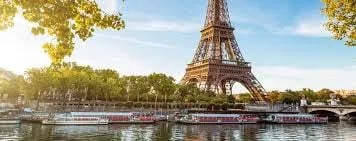
Few rewards feel as immediate as Eiffel Tower experiences. A DMC can arrange a private dinner, a champagne reception, or a reserved viewing moment that gives the group panoramic city views and a clear “we earned this” feeling. These events also work well for recognition—leaders can present awards between courses, with the skyline as the backdrop.
Seine River cruises: private charters with dining and entertainment
Seine River cruises are a high-impact way to bring everyone together without complex logistics. On a private charter, teams can enjoy gourmet dining, cocktails, and light entertainment while passing Notre-Dame, the Louvre, and the Eiffel Tower. For team-building variety, many planners add canal cruises earlier in the program, then reserve the Seine for an evening celebration.
Louvre Museum tours after hours and other Paris cultural experiences
For groups that value inspiration, Louvre Museum tours—especially after-hours or crowd-reduced visits—create a calm, exclusive setting for learning and conversation. DMC guides can tailor themes (leadership, innovation, craftsmanship) and keep the pace comfortable for mixed-interest teams. To deepen Paris cultural experiences, walking tours in Montmartre and Le Marais add local stories, art, and food stops that feel authentic and social.
Michelin starred restaurants, tastings, and hands-on culinary team-building
Dining is often the highlight of luxury incentives, and Michelin starred restaurants deliver both prestige and shared emotion. Marc Legrand, Culinary Director, Paris Events Co., explains:
"A Michelin meal for a corporate group is as much about storytelling as it is about flavor—it's an experience that rewards performance."
DMCs can also organize exclusive wine and Champagne tastings in elite Paris cellars or as a day trip to the Champagne region. For more interaction, French cooking classes (pastry or classic bistro dishes) turn a reward into a team-building win, with small groups collaborating under a Parisian chef.
More signature options curated by DMCs
- 2CV sightseeing through key districts, including the Golden Triangle, for a fun, photo-ready group moment
- Treasure hunts in Montmartre, Le Marais, or around the Louvre for structured collaboration
- Guided shopping tours and private fashion presentations near top boutiques and department stores
- Château day trips such as Château de Versailles with private tours and garden receptions
- VIP event access to Paris Fashion Week, major art exhibitions, opera tours, and international film festivals
.jpg)
Budget, Logistics and Venue Realities
Typical per-person budgets for incentive travel Paris
Realistic budgeting starts with clear per-person economics. For incentive travel Paris, small businesses often build programs in the $500–$1,000 per person range, while larger enterprises commonly plan $2,000–$5,000 per person. These ranges typically include flights, rooms, food and beverage, and core activities. The gap is driven by seasonality, group size, and how “VIP” the experience needs to feel (private museum access, buyouts, and premium transport add up quickly).
Sophie Martin, CFO, Global Incentives Ltd.: "Understanding per-person economics early saves headaches during execution."
Luxury hotel accommodations and a benchmark property
For teams aiming for lavish accommodations Paris, hotel choice becomes the biggest line item and the biggest perception driver. A useful benchmark is Four Seasons Paris, which offers specialized incentive programming and strong luxury infrastructure. Incentive programs can start around EUR 1,200 (often used as a planning anchor for luxury hotel accommodations), and the property supports high-end groups with 244 light-filled rooms, three Michelin-starred restaurants (with six Michelin stars combined), and a spa with a 17-meter pool. For corporate travel planners, this type of venue reduces risk because dining, meeting flow, and guest services can be handled under one roof.
All-inclusive packages vs. itemized planning
Many corporate travel planners compare all-inclusive packages to itemized builds. Packages can simplify approvals and reduce surprise costs, especially when they bundle rooms, breakfast, meeting space, and a signature experience (such as a private Seine cruise or a guided Louvre visit). Itemized planning can be better when the group needs flexibility across multiple venues or when sponsors want clear cost allocation by department.
Josh: "Budgeting and vendor relationships are simpler when a DMC negotiates on your behalf."
Transportation accessibility and on-the-ground logistics
Paris is well connected, but transportation accessibility for groups still requires planning. Airport transfers, coach routing, and secure VIP movements are easier when a Paris-based DMC coordinates schedules, permits, and contingency plans. This matters even more during major dates such as IMA Europe Paris 2026 (Thursday, February 5, 2026), when demand can tighten for vehicles, drivers, and premium time slots.
Venue realities: meeting rooms, buyouts, and support services
High-impact programs often need more than a restaurant booking. Paris-based DMCs coordinate everything from ballroom setups to breakout rooms, plus wellness amenities and security solutions. Practical considerations frequently include:
- Visa support and invitation letters (when required)
- Multilingual assistance and on-site staffing
- Secure transport and executive protection options
- Private event buyouts for restaurants, boats, or galleries
B2B platforms and alternatives beyond Paris
B2B DMC platforms add planning speed and global reach through geolocation, advanced search, and easy sharing of shortlists with stakeholders. When Paris feels too busy or costly, corporate groups sometimes choose quieter French options like Bordeaux (wine-focused, intimate venues) or Nice (coastal luxury with a slower pace) while keeping the same incentive standards.
A Practical Planning Checklist and DMC Selection Tips
Start with objectives and measurable KPIs
Effective incentive program planning in Paris begins with clear recognition goals and a shared definition of success. Corporate retreat best practice is to set objectives first, then choose locations and experiences that support them. Many professional corporate retreat planners recommend linking the trip to measurable outcomes, not just attendance. This matters because 55% of corporate leaders consider incentive travel essential, so leadership will expect proof of value.
Planners can define KPIs such as retention lift for top performers, attendee NPS, participation rates in corporate team building sessions, and performance improvements in the 30–90 days after the trip. A simple approach is to capture a baseline before travel, then compare post-trip results and feedback to the incentive objectives.
Build a planning checklist that aligns activities to goals
- Audience and recognition rules: confirm who qualifies, what “earned” means, and how guests are handled.
- Program design: map a flow that balances luxury rewards with team building activities and recovery time.
- Experience fit: select culture, wellness, and hands-on moments that reinforce company values.
- Operations: confirm transfers, multilingual support, accessibility needs, and contingency plans.
- Measurement plan: schedule pulse surveys, a final feedback form, and a post-trip performance review.
In Paris, this often means pairing iconic moments (like a private Eiffel Tower dinner or a luxury Seine River cruise) with structured collaboration, such as a chef-led cooking class or a guided neighborhood challenge in Montmartre or Le Marais. The goal is to reward, but also to create shared stories that strengthen teams.
How to choose the right DMC in Paris
When evaluating incentive specialists Paris, planners should prioritize local knowledge, supplier relationships, crisis management, and the ability to deliver customized itineraries corporate teams will remember. A strong DMC can unlock exclusive venues events options through trusted partnerships with luxury hotels, Michelin-Starred Restaurants, and cultural institutions.
- Proof and references: request client references and relevant case studies.
- Security and insurance: confirm coverage, duty-of-care processes, and on-site protocols.
- Customization depth: review sample programs and how they tailor experiences to brand goals.
- Technology: ask about guest management tools, messaging, and real-time updates.
- Supplier strength: validate access to premium transport, venues, and VIP entry options.
Josh: "Leveraging a DMC guarantees customized, immersive, and unforgettable experiences for teams or clients."
Elena Rousseau, Head of Corporate Travel, Meridian Events: "Ask for case studies with measurable outcomes when choosing a DMC."
Conclusion: plan for impact, not just luxury
Paris incentive programs perform best when luxury is used with purpose: to recognize achievement, motivate future performance, and support real connection. By consulting professional corporate retreat planners, selecting a DMC with strong local reach and crisis readiness, and measuring outcomes with feedback and performance metrics, companies can turn a beautiful destination into a high-impact reward that delivers lasting business value.
.jpg&w=256&q=75)