
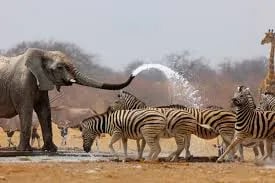



Imagine waking up to the distant trumpeting of elephants at a waterhole in Etosha National Park, Namibia—a surreal experience that turns wild dreams into reality. But planning such a journey is more than just booking flights; it’s about orchestrating a symphony of accommodations, permits, guides, and safety measures in a remote wilderness. This post unpacks how expert local knowledge through a Destination Management Company makes this complex safari effortless and opens a gateway to Kenya’s stunning wildlife landscapes for those craving more adventure.
Why Etosha National Park Is a Safari Gem: Exploring Wildlife and Landscape
Etosha National Park in Namibia stands out as one of Africa’s most distinctive safari destinations, offering a unique blend of dramatic landscapes and exceptional wildlife viewing. Covering approximately 22,000 square kilometers, Etosha’s vastness supports a remarkable diversity of habitats and species, making it a top choice for nature enthusiasts and adventurers seeking an unforgettable safari experience.
Striking Salt Pans: The Heart of Etosha’s Landscape
At the core of Etosha National Park lies the iconic Etosha Pan—a massive, shimmering salt flat that stretches over 4,800 square kilometers. This expansive pan, visible even from space, creates a surreal and breathtaking backdrop for all wildlife encounters. As Josh notes:
“Etosha’s salt pans provide a breathtaking backdrop that makes wildlife encounters unforgettable.” – Josh
During the dry season, the pan’s stark white surface contrasts beautifully with the surrounding grasslands and mopane woodlands, drawing animals from miles around to its fringes in search of water and grazing.
Vibrant Waterholes: Wildlife Viewing Etosha at Its Best
Etosha is renowned for its lively waterholes, which act as magnets for wildlife, especially during the dry months. These water sources are strategically located throughout the park and are easily accessible by vehicle, making them prime spots for observing large gatherings of animals. Visitors can expect to see:
- Large herds of elephants cooling off or drinking
- Endangered black rhinos visiting at dusk and dawn
- Lions, leopards, and cheetahs on the prowl for prey
- Giraffes, zebras, springbok, and wildebeest mingling at the water’s edge
The congregation of wildlife at these waterholes offers some of the most reliable and rewarding wildlife viewing in Etosha. For the best experience, travelers are encouraged to visit multiple waterholes and consult rest camp sighting logs, which are updated regularly by guides and fellow visitors to share the latest animal activity.
Optimal Wildlife Viewing Times and Strategies
Wildlife viewing in Etosha National Park is most productive during the early morning and late afternoon hours. During these cooler periods, animals are more active and likely to visit waterholes. The park’s network of roads and signposted waterholes allows visitors to plan efficient routes, maximizing the chances of spotting iconic species.
Many experienced safari-goers and guides use waterhole monitoring strategies—spending time at a single waterhole or rotating between several based on recent sightings. This approach increases the likelihood of observing rare and elusive animals, such as the black rhino or cheetah, in their natural habitat.
Diverse Habitats, Diverse Wildlife
Etosha’s landscape is not limited to salt pans and waterholes. The park also features grasslands, acacia thickets, and mopane forests, each supporting different animal and bird species. This ecological variety means that every game drive offers new surprises, from herds of antelope grazing in open plains to flocks of flamingos gathering at seasonal pools.
With its striking salt pans, vibrant waterholes, and rich biodiversity, Etosha National Park safari adventures promise some of Africa’s most memorable wildlife viewing opportunities.
Destination Management Companies: The Unsung Heroes of Safari Success
When planning a safari in Etosha National Park, the vast landscapes and abundant wildlife are only part of the adventure. The real challenge lies in organizing the many details that make guided safaris in Namibia both safe and unforgettable. This is where Destination Management Companies (DMCs) step in as the unsung heroes of safari success, expertly handling the complex safari logistics Namibia demands.
Expert Handling of Safari Logistics Namibia
DMCs are local specialists who manage every aspect of your journey, from the moment you land in Namibia. Their services include:
- Coordinating airport transfers and in-country transportation
- Securing permits and park entry for Etosha National Park
- Arranging guided game drives led by professional guides
- Booking accommodations, from luxury lodges Etosha to remote campsites
This comprehensive support removes the stress of planning, allowing travelers to focus on enjoying the wildlife and scenery. As Josh notes,
“A skilled guide’s knowledge transforms a safari from good to extraordinary.”
Tailored Safari Experiences for Every Traveler
One of the greatest strengths of DMCs is their ability to customize safari packages. Whether you are a solo adventurer, a honeymoon couple seeking romance, a wildlife photographer, or part of a small group, DMCs design itineraries that match your interests and needs. Specialty activities such as night drives, private game-viewing sessions, and cultural visits to Himba communities are easily integrated, enhancing the immersive experience.
Accommodation: From Luxury Lodges Etosha to Secluded Campsites
Etosha offers a range of accommodation options. DMCs can secure bookings at luxury lodges Etosha—often located near active waterholes for prime wildlife viewing—or arrange stays at more secluded campsites for those seeking solitude. Guided safari costs typically range from $800 to $1,200 per person per day at luxury lodges, while budget or self-drive options start around $80 per day. DMCs help travelers choose the right fit for their budget and comfort level.
Continuous Support and Safety
Safety is paramount in the wilds of Etosha. DMCs provide 24/7 support, reliable vehicles, and access to medical assistance throughout your journey. Their expert guides possess deep knowledge of the terrain and animal behavior, maximizing your chances of spotting elephants, lions, rhinos, and cheetahs while keeping you safe.
Local Expertise for Enhanced Wildlife Viewing
Leveraging their local expertise, DMCs optimize every itinerary for the best wildlife encounters. Their understanding of seasonal animal movements and waterhole activity ensures travelers are in the right place at the right time. This insider knowledge is especially valuable for those seeking guided safaris Namibia is famous for, where seeing rare species like the black rhino or cheetah can be a highlight of the trip.
By entrusting your safari to a DMC, you gain not only seamless logistics and expert guidance but also the freedom to fully immerse yourself in the wonders of Etosha National Park.
.jpg)
Extending the Adventure: Top Kenyan Wildlife and Cultural Highlights Beyond Etosha
After experiencing the unique landscapes and wildlife of Etosha National Park in Namibia, travelers can further enrich their African journey by exploring Kenya’s world-renowned wildlife attractions and vibrant cultural sites. Kenya adventure options offer a diverse blend of ecosystems, seasonal wildlife spectacles, and cultural immersion, making it a perfect complement to an Etosha safari.
Witness the Masai Mara Great Migration (July–October)
A highlight of Kenya wildlife attractions is the Masai Mara Great Migration, a natural event that draws visitors from around the globe. Each year from July to October, millions of wildebeests, zebras, and gazelles thunder across the plains and brave the crocodile-filled Mara River. This dramatic migration is considered one of the greatest wildlife spectacles on Earth.
“Kenya’s Masai Mara offers an unparalleled spectacle of wildlife migration.” – Josh
Guided game drives in the Masai Mara during this season provide front-row seats to predator-prey interactions and the sheer scale of the migration, offering a thrilling addition to the wildlife viewing experiences found in Etosha.
Discover Amboseli National Park: Elephants and Kilimanjaro Views
For those seeking iconic landscapes and close encounters with elephants, Amboseli National Park is a must-visit. Known for its large elephant herds and panoramic views of Mount Kilimanjaro, Amboseli offers a different safari atmosphere compared to Etosha’s salt pans and waterholes. Visitors frequently observe elephants in family groups, often with the snow-capped peak of Kilimanjaro as a dramatic backdrop. Birdlife is also abundant, adding to the park’s appeal for nature lovers and photographers.
Lake Nakuru National Park: Flamingos and Rhino Conservation
Another key Kenya wildlife attraction is Lake Nakuru National Park. Famous for its shimmering lake fringed with thousands of flamingos, Lake Nakuru is also a stronghold for both black and white rhino conservation. Game drives here offer the chance to spot endangered species, as well as giraffes, buffaloes, and diverse birdlife, making it a rewarding stop for wildlife enthusiasts.
Diani Beach: Relaxation and Coastal Adventure
Kenya adventure is not limited to the savannah. Diani Beach on the Indian Ocean coast is renowned for its powdery white sand, turquoise waters, and vibrant coral reefs. After days of safari, travelers can unwind with water sports, snorkeling, or simply relaxing under palm trees. Diani Beach offers a serene contrast to the rugged wilds of Etosha and Kenya’s inland parks.
Nairobi: Wildlife Encounters and Cultural Experiences
Kenya’s capital, Nairobi, blends urban energy with unique wildlife and cultural attractions. Highlights include the David Sheldrick Elephant Orphanage, where visitors can learn about elephant conservation, the Giraffe Centre for up-close giraffe encounters, and the Karen Blixen Museum, celebrating the legacy of the famed author. These sites provide meaningful cultural experiences, paralleling the Himba community visits available in Namibia.
- Masai Mara: Great Migration (July–October)
- Amboseli: Elephant herds, Kilimanjaro views
- Lake Nakuru: Flamingos, rhino conservation
- Diani Beach: Coastal relaxation and water sports
- Nairobi: Wildlife sanctuaries and cultural sites
Kenya’s diverse safari options and cultural highlights offer travelers the chance to experience both thrilling wildlife encounters and relaxing beach escapes, all within one unforgettable trip.
Behind the Scenes: The Role of Technology and Privacy in Modern Safari Planning
Modern safari planning in Namibia, especially for destinations as remote and unique as Etosha National Park, has been transformed by technology. Today’s travelers expect more than just a travel guide—they seek seamless safari logistics, personalized recommendations, and the peace of mind that comes from robust privacy compliance. The integration of advanced digital tools and transparent privacy practices ensures that every stage of the journey, from research to booking, is both efficient and secure.
One of the most significant advancements in travel platforms is the use of advanced search and geolocation tools. These features allow travelers to quickly find relevant safari options, compare accommodations near Etosha’s famous waterholes, and even map out routes for game drives. By leveraging geolocation, users can receive recommendations tailored to their current location or planned itinerary, making it easier to coordinate complex safari logistics in Namibia. This level of accessibility and convenience is especially valuable when planning trips that may include multiple destinations, such as combining Etosha with Kenya’s Masai Mara or Amboseli National Park.
Another key aspect of modern safari planning is the ability to share travel plans and experiences across social media platforms like Facebook, Twitter, WhatsApp, and Pinterest. Integration with these networks not only helps travelers gather feedback and recommendations from friends and fellow adventurers but also inspires others to explore Africa’s wild places. Shareable content, such as itineraries and reviews, enhances the overall user experience and fosters a sense of community among safari enthusiasts.
Behind the scenes, privacy compliance is a cornerstone of trustworthy travel platforms. The use of cookies from reputable brands—including Google, HubSpot, WordPress, Akamai, Dynatrace, YouTube, CookieYes, and Elfsight—supports a range of essential functions. These cookies manage everything from session tracking and analytics to performance monitoring, fraud prevention, and ad targeting. Cookie durations can range from as short as one minute to as long as two years, reflecting the diverse needs of modern websites. Importantly, platforms are transparent about their cookie usage, providing clear information on how data is collected and used. This commitment to privacy compliance travel builds user trust and ensures that personal information is handled responsibly.
As Josh, the site’s author, notes:
“In today’s connected age, privacy and personalization go hand in hand for traveler peace of mind.”Travelers can confidently explore safari options, knowing that their data is protected and their online experience is tailored to their interests. Whether researching the best time to visit Etosha’s salt pans or planning an extension to Kenya’s Lake Nakuru, users benefit from a platform that balances transparency, security, and personalization.
In conclusion, technology and privacy are now central to the safari planning process. Advanced search features, geolocation tools, and social media integration make it easier than ever to organize complex trips across Africa. At the same time, stringent privacy policies and transparent cookie management ensure that travelers can plan their adventures with confidence. By embracing these innovations, today’s travel platforms provide a reliable, user-friendly resource for anyone seeking an unforgettable journey through Etosha National Park and beyond.
.jpg&w=256&q=75)