
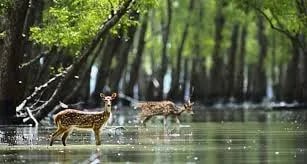



Stepping into Kakadu National Park feels like entering a living museum teeming with raw nature and ancient stories. On my first attempt to explore this sprawling UNESCO World Heritage Site, I realized quickly that the beauty of its wetlands, sandstone escarpments, and wildlife is matched only by the complexity of navigating and staying safe within it. This guide unpacks the unique challenges of Kakadu while revealing how a Destination Management Company (DMC) can transform your trip from daunting into unforgettable, blending wild adventure with cultural depth.
The Wild Pulse of Kakadu: Ecosystems, Iconic Species, and Aboriginal Heritage
Kakadu National Park, a UNESCO World Heritage Site in Australia’s Northern Territory, is a living showcase of nature’s diversity and ancient human culture. Spanning over 7,600 square miles, its vast terrain features dramatic sandstone escarpments, lush floodplains, and thriving wetlands. This unique landscape supports an extraordinary variety of habitats, making Kakadu one of the world’s most significant ecological treasures.
Diverse Habitats and Wildlife Wonders
The park’s wetlands and billabongs, such as the renowned Yellow Water Billabong, are home to iconic wildlife. Saltwater crocodiles Kakadu are among the park’s most famous residents, often seen basking along riverbanks or gliding through the water. The grassy plains and woodlands shelter agile wallabies, while the skies are alive with over 280 bird species. Notable among them are jabirus and the striking magpie geese, whose seasonal migrations are a highlight for birdwatchers.
- Saltwater crocodiles Kakadu – apex predators of the wetlands
- Wallabies and agile marsupials in woodland areas
- Jabirus, magpie geese, and a rich diversity of waterbirds
Aboriginal Rock Art Kakadu: A Living Cultural Landscape
Kakadu’s cultural significance is as profound as its natural beauty. The park is the ancestral home of the Bininj people, who have lived here for tens of thousands of years. Their deep connection to the land is preserved in Aboriginal rock art Kakadu, with some galleries dating back over 20,000 years. These ancient artworks, found at sites like Ubirr and Nourlangie, tell stories of creation, hunting, and daily life, offering a window into one of the world’s oldest living cultures.
Preserving Kakadu’s ancient rock art is preserving the soul of the land. – Director of National Parks
The Bininj people continue to care for these sacred sites, ensuring their stories and traditions endure. Their stewardship is vital to the park’s identity, blending ecological guardianship with cultural heritage. Visitors are invited to experience guided walks and storytelling, deepening their understanding of Kakadu’s living history and the ongoing relationship between people and place.
Staying Safe in Kakadu: Navigating Risks and Seasonal Challenges
Kakadu National Park’s wild beauty comes with real risks that demand careful preparation and respect for nature’s power. Staying safe in Kakadu means understanding the dangers posed by its unique environment, especially when it comes to saltwater crocodiles, flash flooding, and the harsh climate.
Saltwater Crocodiles Kakadu: Respecting Crocodile Habitats
Kakadu is famous for its thriving population of saltwater crocodiles, which inhabit rivers, billabongs, and wetlands throughout the park. These apex predators are highly territorial and can be found even in areas that appear safe. Strict adherence to safety signs and marked tracks Kakadu is essential. Swimming is prohibited in most waterways, and visitors must keep a safe distance from water edges at all times. Attacks are more frequent on smaller boats and near unmarked banks. As an Aboriginal Ranger notes:
Visitors must respect marked tracks and safety signs — it's about enjoying nature responsibly.
Flash Flooding Kakadu: Seasonal Hazards and Creek Crossings
The wet season transforms Kakadu’s landscape, bringing heavy rains and the risk of flash flooding. Creek crossings become slippery and dangerous, with water levels rising rapidly. Notably, Twin Falls has remained inaccessible since 2018 due to unmaintained creek crossings and persistent safety concerns. Always check local conditions and heed park alerts. Avoid crossing flooded areas and never underestimate the force of moving water.
Heat Stress Kakadu: Coping with Extreme Temperatures
Kakadu’s climate can be unforgiving, especially during the hot months. Heat-related illnesses such as heat stress, heatstroke, and hyponatremia are serious risks. To stay safe:
- Carry and drink plenty of water—dehydration can occur quickly.
- Wear a hat, sunscreen, and lightweight clothing.
- Rest in shaded areas and avoid strenuous activity during peak heat.
- Carry a basic first aid kit and know the symptoms of heat illness.
Remote Travel: Preparation and Communication
Much of Kakadu has no mobile reception. Before heading out, inform someone of your plans and expected return. Travel with a map, emergency supplies, and consider joining a guided tour with a Destination Management Company for added safety and local expertise.
By respecting marked tracks, understanding seasonal risks like flash flooding, and preparing for heat stress, visitors can enjoy Kakadu’s wonders while minimizing danger.
.jpg)
The Role of Destination Management Companies in Unlocking Kakadu’s Secrets
Kakadu National Park, a UNESCO World Heritage Site, is a vast wilderness of wetlands, sandstone escarpments, and ancient Aboriginal rock art. Its sheer size and seasonal challenges—especially during the Kakadu wet season—make independent travel complex. Here, a Destination Management Company (DMC) becomes an essential partner for visitors seeking both adventure and cultural depth.
Expert Guidance and Essential Permits
DMCs streamline the entry process by securing all necessary park passes and permits. This is crucial for accessing both popular spots and restricted areas, ensuring travelers can safely experience highlights like the Yellow Water Billabong and the iconic Jim Jim Falls hike. Their local expertise helps visitors avoid common pitfalls and navigate the park’s dynamic environment, especially when river crossings or trail access change with the seasons.
Curated Wildlife Safaris and Cultural Immersion
With a DMC, safari tours Kakadu are elevated through expertly guided wildlife experiences. Guides use their knowledge of animal behavior and seasonal patterns to maximize sightings of crocodiles, wallabies, and rare birds. Beyond wildlife, DMCs act as cultural interpreters, offering Aboriginal storytelling sessions and guided tours of ancient rock art, deepening visitors’ appreciation of Kakadu’s living heritage.
- Wildlife safaris with tailored routes for optimal sightings
- Cruises along the Yellow Water Billabong for birdwatching and crocodile encounters
- Guided Jim Jim Falls hikes, adjusted for seasonal safety and access
- Aboriginal-led storytelling and art interpretation
Seamless Logistics and Traveler Comfort
DMCs handle all logistics, from 4WD vehicles for rugged tracks to river cruises and scenic flights. This comprehensive support ensures comfort and safety, allowing travelers to focus on the experience rather than the challenges of remote travel. Their seasonal knowledge is invaluable—advising on the best times for waterfall views during the Kakadu wet season or for wildlife activity in the dry months.
Tailored Experiences for Every Traveler
Whether seeking adventure, luxury, or cultural connection, DMCs customize itineraries to individual interests. Their services range from adventure tours and luxury hotel arrangements to support for events like MICE, adapting to every traveler’s needs.
“An expertly guided safari is the key to truly experiencing Kakadu’s layered wonders.” – Tourism Expert
Branching Out: Beyond Kakadu to India and Bangladesh’s Cultural and Natural Treasures
After experiencing the wild beauty and cultural depth of Kakadu National Park, travelers can expand their journey by exploring the vibrant destinations of India and Bangladesh. These countries offer a rich tapestry of historical landmarks, natural wonders, and immersive cultural experiences that complement the adventure and heritage found in Kakadu.
Taj Mahal India & Kerala Backwaters: Iconic and Serene Escapes
India’s landscape is dotted with world-renowned sites, none more iconic than the Taj Mahal in Agra. As a UNESCO World Heritage Site, the Taj Mahal stands as a symbol of love and architectural brilliance, drawing visitors from around the globe. In contrast, the Kerala backwaters offer a tranquil escape, where travelers can glide through lush waterways on traditional houseboats, observing rural life and rich biodiversity. These destinations provide a balance of cultural grandeur and peaceful nature, making them ideal for those seeking both inspiration and relaxation.
Dhaka’s Landmarks: Lalbagh Fort, Ahsan Manzil, and the National Museum
In Bangladesh, the capital city Dhaka is a treasure trove of historical and cultural sites. Lalbagh Fort Dhaka is a 17th-century Mughal fortress that tells stories of the region’s past. Nearby, Ahsan Manzil, the “Pink Palace,” showcases the opulence of Dhaka’s heritage. The National Museum offers insight into Bangladesh’s art, history, and culture, making it a must-visit for those eager to understand the country’s identity. These landmarks provide a fascinating contrast to the natural wonders of Kakadu, enriching the traveler’s narrative.
Cox’s Bazar Beach and Himalayas Trekking: Nature’s Grandeur
- Cox’s Bazar beach stretches along the Bay of Bengal, holding the title of the world’s longest unbroken sea beach. Its golden sands and lively atmosphere invite relaxation and exploration.
- For adventure seekers, Himalayas trekking in India is unmatched. From the stark beauty of Ladakh to the lush valleys of Himachal Pradesh, these regions offer challenging trails and breathtaking views, perfect for those craving extreme landscapes.
Exploring beyond Kakadu enriches your travel narrative with layers of history and natural beauty.
- Cultural Travel Writer
By combining Kakadu’s wilderness with the diverse attractions of India and Bangladesh, travelers can enjoy a seamless blend of adventure, culture, and relaxation—each destination adding a unique chapter to their journey.
Lessons from Kakadu: Ecological Management, Indigenous Stewardship, and Future Directions
Kakadu National Park stands as a living example of how ecological management and Indigenous stewardship can work hand in hand to protect both natural and cultural heritage. The Kakadu management plan is unique in Australia, as it is shaped by joint park management between the Director of National Parks and the Kakadu Board, which is made up primarily of Traditional Owners. This model ensures that Indigenous-led conservation is at the heart of every decision, with Bininj (Aboriginal) rangers playing a central role in daily operations and long-term planning.
One of the most innovative projects in Kakadu is the removal of para grass, an invasive species that threatens the park’s wetlands. Guided by the deep cultural knowledge of the Bininj people—who recognize six distinct seasons—rangers time their para grass management to maximize effectiveness. This approach has already shown positive results, such as the return of Magpie Geese populations to the Yellow Water Billabong. The integration of traditional knowledge with modern science is further supported by digital dashboard tools, which combine Bininj oral histories with environmental data to monitor the health of the park’s ecosystems.
As Kakadu looks to the future, community engagement remains a guiding principle. The current public consultation on a new 10-year Kakadu management plan—open until July 31, 2025—invites input from all stakeholders, ensuring that the park’s direction reflects both local wisdom and broader public values. This adaptive, inclusive process is essential for balancing visitor access with the preservation of Kakadu’s unique biodiversity and ancient rock art sites.
Sustainable management in Kakadu is not just about protecting landscapes; it is about supporting the cultural vitality of the Bininj people and ensuring that their voices continue to shape the park’s future. As the Parks Australia Director notes,
“Indigenous stewardship is paramount for Kakadu’s resilience and cultural vitality.”The lessons learned here—about partnership, respect, and adaptive management—offer a model for protected areas worldwide. As travelers explore Kakadu’s wild beauty, they also witness the power of Indigenous-led conservation to secure a thriving future for both people and nature.
.jpg&w=256&q=75)