
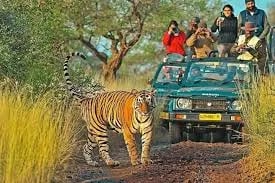



Picture waking up to the roar of Bengal tigers echoing through dense forests, with the sun rising over ancient forts perched atop rugged cliffs. A Ranthambore safari isn’t just about spotting wildlife; it’s stepping into a living tapestry of nature’s drama and historic grandeur. But venturing into one of India’s premier tiger reserves brings its own set of puzzles — from snagging permits early to choosing the best zones for tiger sightings. Having wrestled with these challenges firsthand, this guide unravels how expert help and keen planning make all the difference.
The Ranthambore Safari Experience: Beyond Just Tigers
Understanding Your Safari Options: Jeep Safari and Canter Safari
Ranthambore National Park is celebrated for its thriving Bengal tiger population, but the Ranthambore safari experience extends far beyond tiger sightings. Visitors can choose between two main safari styles: the jeep safari and the canter safari. Each offers a unique way to explore the park’s diverse wildlife and landscapes.
- Jeep Safari: Ideal for small groups or families, the open 6-seater jeeps provide an intimate and flexible wildlife viewing experience. With a duration of approximately 3.5 hours per session, jeep safaris allow for deeper exploration of the park’s 10 zones, especially the prime tiger activity areas in zones 1-5. The smaller group size increases the chances of quiet, close encounters with wildlife.
- Canter Safari: Designed for larger groups, the canter is an open vehicle seating around 20 passengers. Canter safaris are perfect for those seeking a social atmosphere or traveling in bigger parties. While the experience is less private, it still offers excellent opportunities for wildlife spotting and covers similar routes as the jeep safaris.
Both safari types are led by expert naturalists, often arranged by a Destination Management Company (DMC), who track animal movements and share insights into the park’s ecosystem, enhancing the overall tiger safari adventure.
Exploring Ranthambore’s Unique Terrain and Historic Fort
Beyond the wildlife, Ranthambore’s dramatic terrain sets it apart from other Indian national parks. The landscape features rugged hills, serene lakes, and dense forests, all watched over by the imposing Ranthambore Fort. This UNESCO World Heritage Site, perched atop a rocky outcrop, dates back to the 10th century and offers panoramic views of the park below. Exploring the fort is a highlight of any safari itinerary, adding a fascinating historical dimension to the adventure.
The fort’s ancient walls, temples, and gateways tell stories of Rajasthan’s royal past, making it a must-visit for history enthusiasts and photographers alike. Many DMCs integrate fort visits into their safari packages, ensuring guests experience both the wild and the historic sides of Ranthambore.
Cultural Immersion: Local Cuisine and Village Life
“Ranthambore offers a magical blend of raw wildlife experience and deep cultural immersion.”
- Josh
A true Ranthambore safari goes beyond animal sightings. Many itineraries, especially those crafted by expert DMCs, include cultural tours that introduce visitors to the vibrant life of Rajasthan. Guests can enjoy:
- Village Visits: Meet local artisans, observe traditional crafts, and experience daily rural life.
- Rajasthani Cuisine: Savor authentic dishes prepared with local spices, often served in heritage resorts or jungle lodges.
- Curated Evenings: Enjoy folk music and dance performances, arranged exclusively for safari guests.
These cultural experiences, combined with wildlife adventures, create a well-rounded journey that showcases the best of Ranthambore National Park and Rajasthan’s rich heritage.
The Insider’s Guide to Booking and Permits at Ranthambore
Why Early Safari Booking is Crucial
Ranthambore National Park is one of India’s most popular wildlife destinations, especially for those eager to spot the majestic Bengal tiger. Due to high demand and strict permit regulations, securing your safari booking well in advance is essential. Permits for the best safari zones often sell out three to six months ahead of time, particularly for peak season visits between October and March. As Josh notes,
“Advance booking isn’t just recommended, it’s practically essential to experience Ranthambore’s best zones.”
Understanding Safari Permits and Park Zones
The park is divided into ten distinct safari zones, each offering unique landscapes and wildlife experiences. However, zones 1-5 are especially renowned for frequent tiger sightings and are the most sought after. Permit allocation for these zones is limited and strictly regulated by the forest department to protect both wildlife and visitors.
- Permits for zones 1-5 are highly competitive—booking at least 90 days in advance is strongly advised.
- Permits are non-transferable and must be printed and presented at the park gate.
- Each permit is valid only for the specific date, time, and zone allotted.
Required Documents and Park Rules
To enter Ranthambore National Park, every visitor must present a government-issued photo ID (such as a passport or Aadhaar card) along with their printed permit. The park enforces strict rules to ensure safety and conservation:
- Wear neutral-colored clothing to blend with the environment.
- Remain inside the safari vehicle at all times.
- Follow the instructions of your guide and naturalist.
- Do not litter or disturb the wildlife.
Safari Timings: Morning and Afternoon Sessions
Ranthambore offers two safari sessions daily:
- Morning Safari: Starts between 6:00 and 7:00 AM, lasting approximately 3.5 hours.
- Afternoon Safari: Begins in the early afternoon and continues until sunset, with exact times varying by season.
Choosing between a morning safari and an afternoon safari can influence your chances of wildlife sightings. Early mornings are often cooler, with animals more active, while afternoons may offer dramatic light for photography.
Optimizing Your Tiger Sighting Chances
To maximize your opportunity for tiger sightings:
- Book your safari permits early, prioritizing zones 1-5.
- Consider multiple safaris across different times and zones.
- Engage a reputable Destination Management Company (DMC) for expert guidance, access to skilled naturalists, and seamless logistics.
- Visit during the best time to visit Ranthambore—October to March—for optimal weather and wildlife activity.
Understanding the permit process, adhering to park rules, and planning ahead are key to a rewarding Ranthambore safari adventure.
.jpg)
How Destination Management Companies Elevate Your Safari Adventure
Streamlining Safari Planning: Permits and Safari Slot Management
Planning a safari in Ranthambore National Park involves navigating a maze of permit restrictions, zone allocations, and high visitor demand. A Destination Management Company (DMC) specializes in simplifying this complex process. DMCs possess in-depth knowledge of the park’s regulations and maintain close relationships with local authorities, allowing them to efficiently secure the necessary permits and reserve the most desirable safari slots. This expertise not only saves travelers time and stress but also increases the likelihood of successful wildlife sightings, particularly of the elusive Bengal tiger.
DMCs also employ expert naturalists who monitor tiger behavior and recent movements, ensuring guests are guided to the zones with the highest chances of spotting these majestic animals. As noted by Josh, “A good DMC can turn a standard safari into a life-changing journey.”
Arranging Luxury Accommodations and Exclusive Safari Experiences
A key advantage of working with a DMC is access to luxury accommodations and exclusive safari experiences. DMCs partner with a range of premium properties, from jungle lodges nestled in the heart of the forest to royal heritage resorts that reflect Rajasthan’s regal past. These accommodations often come with special privileges, such as private game drives, curated cultural evenings, and personalized services that elevate the overall safari adventure.
- Private game drives with expert guides
- Curated Rajasthani cultural performances and cuisine
- Access to heritage properties with historical significance
By managing accommodation bookings and integrating exclusive perks, DMCs ensure guests enjoy both comfort and authenticity throughout their stay.
Curating Personalized Itineraries and Seamless Travel Logistics
Beyond the safari itself, DMCs design personalized itineraries that blend wildlife exploration with cultural immersion. Typical itineraries may include:
- Jeep safaris led by expert naturalists
- Guided tours of Ranthambore Fort and other historic sites
- Birdwatching excursions and village visits
- Tasting authentic Rajasthani cuisine
DMCs also coordinate all travel logistics, arranging smooth transfers from major entry points like Jaipur and Delhi by road or train. This integrated approach removes the hassle from travel, allowing guests to focus on enjoying their adventure.
Enhancing Wildlife Sightings and Guest Comfort
The expertise of DMCs extends to maximizing wildlife sightings. By monitoring recent tiger movements and understanding the nuances of each park zone, DMCs can strategically plan safari routes for the best possible outcomes. Additionally, their attention to guest comfort—through luxury accommodations, private safaris, and seamless logistics—ensures a memorable and stress-free experience.
“A good DMC can turn a standard safari into a life-changing journey.” - Josh
In summary, engaging a Destination Management Company for your Ranthambore safari adventure means streamlined planning, exclusive safari experiences, luxury accommodations, and expertly curated itineraries—all designed to deliver an unforgettable journey into the heart of India’s wild beauty.
Exploring India’s Cultural and Natural Treasures Beyond Ranthambore
A journey to Ranthambore National Park is often the beginning of a much larger adventure through India’s rich tapestry of culture and nature. While the park’s thriving Bengal tiger population and ancient fortresses offer a thrilling introduction to India’s wild side, the country’s diversity extends far beyond its jungle boundaries. Exploring India’s cultural and natural treasures beyond Ranthambore reveals a world where history, spirituality, and breathtaking landscapes come together, creating a truly unforgettable travel experience.
One of the most popular extensions to a Ranthambore safari is a visit to Agra, home to the world-renowned Taj Mahal. This architectural masterpiece, a UNESCO World Heritage Site, stands as a symbol of eternal love and is a must-see for any traveler. The intricate marble work and serene gardens of the Taj Mahal provide a striking contrast to the rugged terrain of Ranthambore, offering a glimpse into India’s royal past and artistic heritage. For those interested in Agra Taj Mahal tours, combining wildlife with iconic architecture creates a well-rounded itinerary.
Equally captivating is the city of Jaipur, often included in Jaipur sightseeing circuits. Known as the Pink City, Jaipur dazzles visitors with its vibrant markets, grand palaces, and historic forts. The Amber Fort, perched on a hilltop, showcases Rajput architecture and offers panoramic views of the surrounding landscape. Nearby, the Hawa Mahal, or Palace of Winds, enchants with its unique façade and intricate latticework. These landmarks, located within easy reach of Ranthambore, immerse travelers in Rajasthan’s royal legacy and colorful traditions.
For those seeking spiritual depth, the ancient city of Varanasi along the Ganges River is a profound destination. Witnessing the Ganga Aarti—a mesmerizing evening ritual of lights and chants—offers a window into India’s spiritual heart. Varanasi Ganga Aarti experiences are often described as transformative, connecting visitors to centuries-old traditions and the rhythms of daily life along the sacred river.
India’s geographic variety is further showcased in the lush landscapes of Kerala. Here, a Kerala backwaters cruise on a traditional houseboat reveals tranquil waterways, swaying palms, and glimpses of rural life. This serene setting provides a peaceful counterpoint to the excitement of a tiger safari, highlighting India’s ability to surprise and delight at every turn.
Adventure enthusiasts are drawn to the majestic Himalayan regions of Himachal Pradesh, Uttarakhand, and Ladakh. Himalayan trekking offers not only awe-inspiring mountain vistas but also encounters with remote villages and unique cultures. Whether trekking through alpine meadows or exploring Buddhist monasteries, these journeys deepen one’s appreciation for India’s natural beauty and cultural diversity.
“India’s cultural mosaic pairs perfectly with the raw power of wildlife safaris.” – Josh
In conclusion, combining a Ranthambore safari with broader explorations—such as cultural tours of Jaipur and Agra, spiritual experiences in Varanasi, tranquil escapes in Kerala, or trekking adventures in the Himalayas—enriches every traveler’s understanding of India. This blend of wildlife, history, spirituality, and scenic beauty ensures that every journey is as diverse and memorable as the country itself. By venturing beyond Ranthambore, travelers unlock the true depth of India’s wonders, creating stories that last a lifetime.
.jpg&w=256&q=75)