
On a foggy morning near the Bosphorus, a travel writer named Ayla waited in line for Hagia Sophia and watched a small ferry slip under the Galata Bridge — a moment that crystallized Istanbul’s layered beauty. This guide approaches the city from that lived, slightly messy vantage point: part history lesson, part sensorial map, and part logistics primer for those who prefer expertly arranged travel. It stresses core attractions while explaining how Destination Management Companies (DMCs) remove friction for travelers in 2026.
1) The Historical Heart: Sultanahmet & Top Sights
The Sultanahmet district Istanbul sits on the historical peninsula Istanbul, where many of the city’s top landmarks are close enough to visit on foot. For first-time visitors in 2026, this area is often planned from morning to midday to avoid peak crowds and to keep walking time short.
Morning Circuit: Hagia Sophia Istanbul → Blue Mosque Istanbul
Many itineraries pair Hagia Sophia Istanbul (also known as Hagia Sophia Ayasofya) with the Blue Mosque Istanbul because they face the same square. Hagia Sophia is famous for its 6th-century dome and surviving Byzantine mosaics, showing how the city changed across empires.
“Hagia Sophia is the single structure that tells Istanbul’s layered story — Byzantine to Ottoman — in stone and light.” — Dr. Leyla Demir, Istanbul Tourism Scholar
Next, step into the Sultan Ahmed Mosque, known worldwide as the Blue Mosque. Its six minarets and blue Iznik tiles create a calm, luminous interior. Modest dress is expected, and prayer times can affect entry.
Topkapi Palace Istanbul: Courts, Harem, and Bosphorus Views
Topkapi Palace Istanbul was the Ottoman imperial center for centuries. Key stops include the Harem rooms, the Sacred Relics collection, and the palace courtyards with wide views toward the Bosphorus. Many travelers use a guided visit or a DMC-arranged time slot to reduce waiting and keep the route efficient.
Basilica Cistern Istanbul: Columns, Reflections, and Medusa Heads
After the palace, descend into the Basilica Cistern Istanbul, a cool underground space with shadowy columns and famous Medusa heads. The walkways and reflections make it one of the most memorable photo stops in the Old City.
Grand Bazaar + Sunset Detour: Galata Tower Istanbul
To round out the day, many guides add the Grand Bazaar for classic shopping. For a viewpoint, Galata Tower Istanbul is widely recommended at sunset, with panoramas of Hagia Sophia, the Golden Horn, and the Bosphorus Strait.
- Start early in Sultanahmet Old City
- Pair Hagia Sophia and the Blue Mosque
- Continue to Topkapi Palace and Basilica Cistern
- Finish with Grand Bazaar or Galata Tower views
2) Markets, Food & Sensory Streets: Grand Bazaar to Spice Bazaar
Shopping rituals at Grand Bazaar Istanbul
Shopping in Istanbul often begins under the vaulted lanes of the Grand Bazaar Istanbul, one of the city’s most famous marketplaces. It is best approached as a cultural visit, not a quick errand. Visitors will see stalls filled with textiles, jewelry, leather goods, ceramics, lamps, and handicrafts. Many shops offer tea, and friendly conversation is part of the experience.
“Bargaining in the Grand Bazaar is a social ritual; it’s as much about conversation as it is price.” — Kemal Öztürk, Market Guide & Cultural Host
For first-time buyers, a simple routine helps: compare prices in a few shops, ask about the item’s origin, and negotiate politely. Cash is useful, but many vendors accept cards.
Flavors and aromas at Spice Bazaar Istanbul
The Spice Bazaar Istanbul is smaller, easier to navigate, and focused on edible treasures. Merchants display colorful piles of saffron, sumac, pul biber (chili flakes), dried fruits, teas, and nuts. A must-do is Turkish delights tasting (lokum), often offered in bite-size samples. Travelers can also look for regional honey, pomegranate products, and coffee blends to take home.
Street food and cafés: Istiklal Street Istanbul to Taksim Square
To round out classic market visits with everyday city life, many itineraries add Istiklal Street Istanbul and nearby Taksim Square Istanbul. This area is ideal for casual bites and people-watching. Popular choices include:
- Simit (sesame bread ring) from street carts
- Turkish coffee in traditional cafés
- Kebabs and grilled meats for a filling meal
- Rooftop meyhanes for meze and evening views
Deeper Istanbul food experiences: guided walks and cooking classes
For travelers who want more than sampling, guided food walks explain ingredients, etiquette, and the Ottoman roots behind modern dishes. Istanbul cooking classes add hands-on learning—often covering meze, stuffed vegetables, soups, and desserts—while a local guide handles market stops, timing, and translation for a smoother day.
.jpg)
3) Bosphorus, Islands & The Asian Side — Water, Views, Neighborhoods
Bosphorus cruise essentials: Europe and Asia in one view
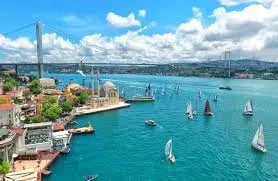
A Bosphorus cruise is one of the clearest ways to understand Istanbul’s geography and daily rhythm. From the water, travelers see how the city stretches across two continents, with ferries, fishing boats, and waterfront life moving between them. A Bosphorus Strait cruise is especially valuable for first-time visitors because it turns famous names into real places—palaces, mosques, and neighborhoods appear in a single, continuous panorama.
Daytime trips highlight details like shoreline mansions and busy piers, while evening sailings add softer light and a calmer mood. Many routes pass the grand façade of Dolmabahce Palace Istanbul, a major waterside landmark that is easy to appreciate from the strait even without a full palace visit.
“Seeing Istanbul from the Bosphorus reframes the city — suddenly the two continents feel like neighbors rather than concepts.” — Selin Kaya, Maritime Tour Operator
Asian-side charm: Kadikoy and Uskudar
For a quieter, more local feel, the Asian side is a strong choice. Kadikoy is known for its markets, casual cafés, and food-focused streets where residents shop and meet friends. Nearby, Uskudar offers a slower pace, scenic waterfront walks, and a neighborhood atmosphere that feels removed from the busiest tourist clusters on the European side.
- Kadikoy: market browsing, coffee stops, and relaxed evenings.
- Uskudar: calm promenades and classic Bosphorus viewpoints.
Islands and private charters: Princes’ Islands and bespoke sailing
When travelers want a break from city traffic, day trips to the Princes’ Islands provide fresh air, sea views, and a slower tempo. For a more tailored experience, private yacht cruises and private charters offer flexible timing, quieter routes, and custom photo stops along waterfront palaces and residential districts.
Because logistics can be complex—timed transfers, pier selection, and weather planning—many visitors use a Destination Management Company to arrange boats, guides, and seamless transport, especially for private sailing.
4) Why Use a DMC: Logistics, Safety & Specialist Services
Logistics that simplify Istanbul travel planning
In a city as large and layered as Istanbul, a Destination Management Company (DMC) helps turn an ambitious Istanbul travel guide wish list into a workable plan. Instead of juggling bookings across districts and ferry lines, a DMC coordinates the full journey with local timing in mind.
- Flights, airport meet-and-greet, and reliable transfers
- Handpicked stays, including luxury hotels Istanbul options with trusted standards
- Multilingual licensed guides for sites like Hagia Sophia, Topkapi Palace, and the Basilica Cistern
- Skip-the-line entry to major attractions to reduce waiting and stress
- Signature add-ons such as private Bosphorus yacht cruises and Turkish cooking classes
Safety and local partners across every Istanbul neighborhood guide route
DMCs reduce risk by using vetted transport operators, reputable hotels, and experienced guides—especially helpful when plans change due to traffic, weather, or venue capacity. This support matters whether travelers are navigating Istiklal Avenue and Taksim Square or crossing to Kadikoy and Uskudar for a calmer pace. For wellness-focused trips, a DMC can arrange a classic Turkish hammam experience, including appointments at historic venues such as Cagaloglu Hammam, with clear etiquette guidance and timing.
“A DMC’s value is invisible until a hiccup happens — then their local network and experience turn potential frustration into smooth moments.” — Emre Altıntaş, Director, Urban DMC Services
Specialist services for groups, events, and niche travel
Beyond leisure itineraries, DMCs support specialized travel needs through local connections and tested suppliers.
- MICE DMC services: venue sourcing, group logistics, branded events, and on-site coordination
- Student travel programs with structured schedules and safety planning
- Wedding planning, private charters, and translation services
- Art tours, adventure tours, and curated group events
Online tools that speed up decisions
Many DMC platforms add planning efficiency with user-friendly features such as Geolocate My Current Position and Nearest me, plus filters like Featured, Best Rated, and A – Z. Account tools—Sign In and Register—help travelers save shortlists and share plans. Some networks also operate globally, arranging trips beyond Turkey in places like Abu Dhabi, Paris, and Zanzibar.
5) Wild Card: A 48‑Hour Hypothetical & Practical Tips
Istanbul is like a layered baklava: each bite reveals a new texture and flavor. For a first timer travel guide, the goal is not to “finish” the city, but to sample the must see Istanbul classics with smart timing—or let a DMC serve the pieces in the right order.
48 Hours of Things to Do Istanbul (Sample Plan)
| Time | Day 1: Old City to Skyline | Day 2: Water, Asia, Wellness |
|---|---|---|
| Morning | Sultanahmet circuit: Hagia Sophia area + Blue Mosque (early) | Bosphorus cruise (morning light, calmer crowds) |
| Midday | Topkapi Palace, then Basilica Cistern | Kadikoy food streets and markets |
| Late afternoon | Grand Bazaar or Spice Bazaar for Turkish delights | Optional Istanbul cooking classes or a short ferry hop to Uskudar |
| Evening | Rooftop sunset views near Galata | Turkish hammam experience at Cagaloglu Hammam |
First‑timer advice often starts with structured mornings in Sultanahmet, because major sites fill quickly. Early morning is also the best time for Hagia Sophia surroundings and nearby courtyards, while sunset is ideal for Bosphorus or rooftop viewpoints. A DMC can turn this tight schedule into a relaxed flow by arranging transfers, timed entries, and guides for Istanbul walking tours that connect the stories behind each landmark.
Practical Tips That Prevent Common Mistakes
For mosque visits, modest dress matters: shoulders and knees covered, and a scarf for women is helpful. Comfortable shoes are essential because stone streets and long queues are common. At bazaars, budgeting for bargaining keeps shopping fun; set a spending limit before entering the Grand Bazaar, and leave room for small treats like lokum and spices.
“Treat Istanbul like a tasting menu: prioritize a few highlights and leave room to be surprised.” — Aylin Karaca, Independent Travel Writer
In the end, Istanbul rewards travelers who plan wisely. Whether the trip is self-built or supported by a DMC with skip-the-line access and curated experiences, this 48‑hour “wild card” shows how the city’s layers can be enjoyed without feeling rushed.
.jpg&w=256&q=75)