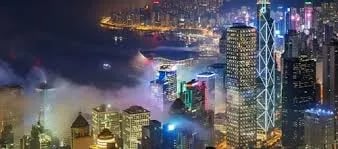
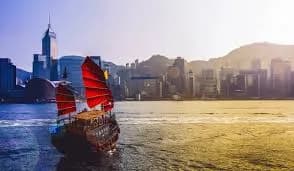
A seasoned event planner once landed in Hong Kong with only a wish-list and a tight timetable. Within hours a local Destination Management Company (DMC) had turned what seemed impossible into a polished, skyline-lit gala—and the planner learned a simple truth: in Hong Kong, local knowledge isn’t a nice-to-have, it’s the difference between chaos and distinction. This post examines why Hong Kong is a global MICE hub and how DMCs translate local textures—venues, vendors, etiquette—into measurable business value.
1) Why Hong Kong is a MICE powerhouse
Strategic gateway to Mainland China and the Greater Bay Area
Hong Kong MICE demand is powered by the city’s role as a business bridge between global markets and Mainland China. Its proximity to the Greater Bay Area makes it a practical base for international congresses that need easy access to Shenzhen, Guangzhou, and other high-growth cities. This “super-connector” position is strengthened by strong cross-border links and a business culture that blends East and West—useful for companies hosting regional leadership meetings, partner summits, and trade missions.
“Hong Kong’s transport and venue pipeline make it a natural super-connector for business events.” — Claire Quiapo (Dec 23, 2024)
Transport Infrastructure built for tight schedules
For planners, time certainty matters. Hong Kong’s Transport Infrastructure supports fast airport-to-city transfers, dense public transport coverage, and reliable ground logistics for large groups. Airport expansion and Airport City developments add capacity and flexibility near the aviation hub, helping organizers stage short-stay programs, multi-venue conferences, and fly-in/fly-out exhibitions with less friction.
World-class venues and hotel capacity (2024–2026 upgrades)
Hong Kong combines iconic meeting spaces with high-end hospitality, which is essential for World-Class Events. Flagship venues include HKCEC for conventions in the city core and AsiaWorld-Expo near the airport for mega meetings, trade shows, and large-scale product launches. Corporate groups also benefit from established luxury hotels—The Peninsula, Four Seasons, Mandarin Oriental, and The Ritz-Carlton—that offer premium ballrooms, executive meeting rooms, and strong service standards.
New supply and venue upgrades for 2024–2026 further increase capacity, including the Kimpton hotel opening in 2025 and a new Mandarin Oriental project expected in 2026, giving planners more options across price points and event styles.
Quantified momentum backed by HKTB
Market performance supports the narrative. HKTB secured 60+ large-scale MICE events for 2024–2026, expected to attract 180,000+ visitors—clear signs of rebound and inbound growth. In addition, Hong Kong hosted 160+ conventions and exhibitions in 2025, reinforcing its position as a dependable, high-volume destination for B2B travel.
2) The DMC advantage: logistics, negotiating power and cultural fluency
Hong Kong moves fast, and Business Travelers often face tight schedules, limited venue availability, and complex supplier coordination. A Destination Management Company brings local structure to that pace. For many teams, working with a DMC Hong Kong partner is the difference between a good plan on paper and a smooth experience on the ground.
End-to-end logistics with 24/7 local support
For Corporate Events Hong Kong, logistics are not only about transport—they are about timing, crowd flow, and backup plans. DMCs manage airport meet-and-greet, hotel blocks, ground transport, and on-site staffing, while monitoring real-time changes like flight delays or last-minute rooming updates. Research insights also show that 24/7 on-the-ground support reduces operational risk and improves attendee satisfaction, because issues are solved before they affect the program.
“A skilled DMC anticipates friction points before the client knows they exist.” — Samantha Lee, Managing Director, DMCFinder
Insider access and stronger rates
Hong Kong’s top venues and hotels can book quickly, especially during peak exhibition periods. A DMC helps navigate availability and secure priority options at properties such as The Peninsula, JW Marriott, and The Ritz-Carlton. Their supplier relationships also support better value through negotiated packages, preferred vendor pricing, and clearer contract terms. Costs vary by group size, season, and how bespoke the program is, but DMCs focus on protecting budgets through buying power and local benchmarks.
Cultural fluency that protects business outcomes
Hong Kong blends Western and Chinese business styles, and small cultural missteps can weaken trust. DMCs act as cultural mediators—advising on meeting etiquette, gifting norms, seating plans, and bilingual communications. They can also arrange translation, visa support, and tailored programming that fits the group’s goals, from formal gala dinners to curated cultural activities.
Common DMC services in Hong Kong
- Venue sourcing and site inspections
- Supplier negotiation and contract support
- On-site management and run-of-show coordination
- Visa support and translation
- Wellness programs and team activities
- Bespoke transport (coaches, luxury cars, VIP transfers)
Finding the right partner via DMCFinder
Directories like DMCFinder simplify partner discovery by indexing services and clarifying capability levels, helping planners match needs to experience.
| DMCFinder level | Typical use |
|---|---|
| Basic | Standard support for simple itineraries |
| Elite | Stronger coverage and supplier network |
| Platinum | High-touch delivery for complex, VIP programs |
.jpg)
3) Signature experiences: venues, activities and bespoke itineraries
For Corporate Events Hong Kong, Destination Management Companies (DMCs) stand out by turning standard agendas into signature programs. Research and on-the-ground results show that local experiences boost memorability and networking outcomes, especially when iconic venues and curated off-site moments are built into the schedule. The best itineraries mix formal business time with social and cultural touchpoints, so attendees feel both productive and rewarded.
High-impact networking on Victoria Harbour and Victoria Peak
DMCs design premium networking that feels effortless but delivers strong business value. Rooftop cocktails at Victoria Peak create a natural “wow” moment for introductions, while corporate cruises on Victoria Harbour offer relaxed conversation with skyline views. For a high-value add-on, DMCs can secure private viewing areas for the Symphony of Lights, giving groups a shared spectacle that strengthens connections.
“Tailored experiences—whether a rooftop cocktail or a quiet tea ceremony—create the memories that drive repeat business.” — Claire Quiapo
Formal programming in landmark venues (HKCEC and luxury ballrooms)
When the goal is credibility and smooth delivery, DMCs match program format to the right setting. A morning conference at HKCEC or AsiaWorld-Expo can be paired with an evening gala in the ballrooms of The Peninsula, Four Seasons, or Mandarin Oriental. For executive-level meetings, venues like The Ritz-Carlton support privacy, service standards, and strong brand impact—key differentiators in competitive MICE bids.
Engagement activities and Sightseeing Tours that improve ROI
Combining Sightseeing Tours with incentive-style activities helps attendees justify travel time and return with stronger engagement. DMCs commonly build:
- Lantau Island team-building: guided hikes and dolphin-watching
- Ngong Ping Village visits via cable car, including Tian Tan Buddha cultural stops
- Lan Kwai Fong hosted nightlife: private receptions or guided bar-hopping for informal networking
- Harbour City VIP shopping: curated luxury access for top performers
To add authenticity and cultural sensitivity, DMCs often include tea ceremonies or guided visits to the Hong Kong Museum of History, helping groups navigate East-meets-West etiquette while keeping the program enjoyable and clear.
4) Planning realities, ROI and the 2024–2026 opportunity window
Cost, ROI, and why DMC-led planning protects budgets
In Hong Kong, event costs can shift quickly based on venue demand, hotel availability, and transport timing. Investment in DMC services varies by group size and requirements, but the ROI often improves because DMCs negotiate rates, bundle suppliers, and prevent costly last-minute changes. For complex programs—airport transfers, multi-hotel room blocks, VIP dining, and offsite experiences—local coordination reduces downtime and keeps delegates focused on business outcomes.
For organizations tracking Inbound Visitors impact, DMCs also help measure value beyond spend: attendance stability, meeting productivity, and stronger partner relationships through culturally aligned hosting.
2024–2026 momentum: premium dates will tighten
Hong Kong’s MICE Sector Growth is being reinforced by major wins and a busier calendar. The Hong Kong Tourism Board (HKTB) has secured 60+ large-scale MICE events (2024–2026), with 180,000+ visitors projected. This demand raises a practical planning reality: premium ballrooms, peak-week HKCEC slots, and top-tier hotels will book out earlier than in prior years.
“The 2024–2026 window is a strategic moment for planners to capitalize on Hong Kong’s refreshed inventory and inbound momentum.” — Claire Quiapo
Event calendar opportunities to watch
- ITE MICE Hong Kong (co-located with ITE Hong Kong): June 11–14, 2026
- Worldwide Chinese Life Insurance Congress (2026)
- Asia-Pacific Education Conference (2026)
Specialised congresses are a clear growth vertical for 2025–2026, especially in medicine, sports, and education—useful for planners building MICE Events 2026 pipelines and sponsorship programs.
Emerging Opportunities: capacity, connectivity, and multi-market itineraries
Hong Kong’s “super-connector” role supports regional attendance and Mainland access, which can lift delegate numbers and exhibitor value. New hotels and Airport City enhancements increase capacity and improve first/last-day logistics—important for tight agendas and late arrivals.
Planners are also using partnerships with markets such as Japan and Vietnam, plus stopover routing with Australia/NZ, to build broader itineraries without adding complexity—especially when a DMC manages visas, language support, and cross-border scheduling.
Planning tip: for 2026, lock venue holds and room blocks early, then refine programs as flight schedules and delegate lists firm up.
Wild cards & creative extras
A 48-hour surprise incentive: from brief to buzz
When a company calls with a “48-hour surprise incentive” brief, a DMC Hong Kong can turn speed into style. Within hours, the team can lock in airport meet-and-greet, fast hotel check-in, and a skyline-led program that feels planned for months. A last-minute welcome can happen on a Victoria Harbour cruise, followed by a rooftop Networking Sessions set-up with city views and tight run-of-show timing. If weather shifts or a venue becomes unavailable, many DMCs can mobilize an alternate venue or logistics plan within 6–12 hours (industry anecdote), using local vendor networks to keep the experience seamless. These Value Added Activities—private Symphony of Lights viewing space, a tea ceremony between meetings, or VIP shopping time at Harbour City—often become the stories people share after the Business Events end.
The DMC as an orchestra conductor
A DMC is like an orchestra conductor: suppliers are the instruments, timing is the rhythm, and cultural cues are the dynamics. Transport, venue teams, interpreters, and catering must enter at the right moment, especially when East-meets-West protocol matters. The best DMCs do not just “book”; they synchronize, so every segment lands cleanly and the group feels guided, not rushed.
“In a crisis, local partners are the lifeline—DMCs turn problems into polished outcomes.” — Samantha Lee, Managing Director, DMCFinder
3am intervention: a small human moment that saves the day
One planner learned this during a late-night issue: a key speaker’s luggage (and presentation adapter) did not arrive. At 3am, the DMC sourced a replacement, arranged a courier, and reset the morning schedule with the venue—so the conference opened on time and no one in the audience knew there had been a problem.
Practical checklist to send your DMC
To streamline expectations and reduce back-and-forth, planners can share a simple checklist early:
- Visa support needs and arrival details
- Translation/interpreter requirements
- Dietary requirements and allergy notes
- VIP shopping slots and preferred brands
- Private viewing permits (e.g., Symphony of Lights)
Flexibility and creativity are the real differentiators: in Hong Kong, the “wild card” touches—done safely and on-brand—often define the post-event buzz and the long-term value of the trip.
.jpg&w=256&q=75)