
I still remember the first time I handed responsibility for a reward trip to a local DMC—nervous, hopeful, and secretly relieved. Within days I realized the difference: local contacts, a tailored program and logistics handled so smoothly I could focus on the team. That experience shaped how I now approach incentive travel in Australia—by leaning on Destination Management Companies to translate big ideas into flawless, culturally rich events.
Why I Hire a Destination Management Company (DMC) in Australia
Local Expertise that works from Sydney to the Outback
When I design incentive programs in Australia, the biggest challenge is the country’s scale and variety. A Destination Management Company brings Local Expertise I can’t replicate from afar—what works in Sydney may not work in Uluru, and timing, weather, and local rules can change fast. A good DMC helps me source the right venues, manage permits, and keep supplier relationships smooth, whether I’m planning a harbour event or an outback experience.
Sarah Collins, Head of Incentives, Arinex DMC: "Local knowledge and supplier trust turn ambitious ideas into reliable realities for corporate groups."
Tailored experiences that match my corporate goals
I hire a DMC because I don’t want a “standard tour.” I want a program that fits my team and the reason we’re traveling. With the right partner, I can mix relaxation, adventure, and culture without losing the business purpose. For example, I can build a reward-focused itinerary with a luxury dinner cruise on Sydney Harbour, then add a team-building day in the Blue Mountains with guided hikes or abseiling, and finish with a more reflective cultural moment at Uluru led by Indigenous guides.
DMCs also help me choose the right service mix, such as Adventure Tours, Luxury Hotels, and an Events Place that supports presentations, awards, and group dining.
Event Logistics (and Visa Support) I’m happy to hand over
My biggest relief comes from handing off Event Logistics. Australia incentive trips often include multiple cities and flight connections, plus tight schedules for group arrivals. A DMC can manage airport meet-and-greet, Limousine Service or Chauffeur Service, inter-city flights, and accommodation blocks—so I’m not chasing rooming lists or transfer updates all day.
They also reduce risk by coordinating Visa Support and entry requirements for international attendees. That one detail alone can protect the whole program timeline.
Cost Savings without cutting quality
Even when my budget is healthy, I still need control. DMCs deliver Cost Savings because they already have trusted supplier networks and buying power. They can negotiate better rates for venues, activities, and hotels while keeping standards high. I also avoid expensive mistakes—like booking a location that looks great online but doesn’t work for group access, weather, or timing.
Access to exclusive venues and “can’t-book-it-yourself” moments
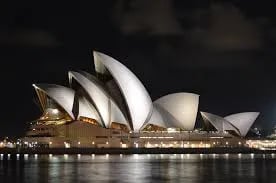
Some of the most memorable incentives come from access. With a DMC, I can request experiences that are hard to secure independently, like private dining at the Sydney Opera House, private Great Barrier Reef snorkeling or diving charters, or venues that are usually closed to the public. These moments feel special because they are special—and they’re exactly what top performers remember.
Why I look for established DMC partners
I also value experience and track record. I often see strong options like Arinex DMC (est. 1983), ID Events Australia (since 1973), Liberty Australia, and REALM (Hosts Global). Many DMCs also operate within global networks across the United States, United Kingdom, Germany, France, Spain, Dubai, New Zealand, South Africa, Thailand, Vietnam, and Malawi—useful when my incentive calendar spans multiple regions.
Signature Australian Experiences I Recommend for Incentive Programs
When I design incentive travel in Australia, I look for experiences that feel exclusive, run smoothly, and match the purpose of the trip—reward, connection, or leadership time. As Mark Turner, Creative Director, Liberty Australia, says:
"The right mix of local experiences and purposeful programming creates memories that motivate teams long-term."
Sydney Harbour Themed Dinners: Cruise Nights with Icon Views
For a high-impact reward night, I often choose a Sydney Harbour dinner cruise with a themed dinner, live entertainment, and front-row views of the Sydney Opera House and Harbour Bridge. If the group size and budget allow, I ask the DMC about venue exclusivity like private dining at the Sydney Opera House to create a true “only in Sydney” moment.
Great Barrier Reef: Eco-Friendly Private Charters
The Great Barrier Reef is ideal when I want a natural wonder that still feels premium. I recommend private snorkeling or diving charters that are eco-friendly and guided by marine experts. These programs are easy to tailor—first-timers can snorkel in calm areas, while certified divers can go deeper—without compromising safety standards or comfort.
Blue Mountains Adventure for Team Building Activities
For Team Building Activities, a Blue Mountains Adventure works well because the scenery is dramatic and the activities are flexible. I like combining hiking with zip-lining or abseiling, then finishing with a relaxed meal and reflection session. It’s a practical way to build trust and shared achievement without forcing a “one size fits all” challenge.
Uluru: Indigenous Experiences with Real Cultural Depth
In the Red Centre, I plan programs around Indigenous Experiences—guided walks, storytelling, art workshops, and cultural talks—paired with luxury glamping for comfort. This is my go-to option when the objective is perspective, meaning, and stronger group connection, not just adrenaline.
Barossa Valley + Kangaroo Island: Taste, Wildlife, and Sustainability
For executive-style rewards, the Barossa Valley delivers private tastings and long, gourmet lunches that encourage conversation. I often pair it with Kangaroo Island for wildlife encounters and eco-lodge stays that support conservation-focused operations—an easy way to add sustainability without making it feel like a “lesson.”
Gold Coast + Whitsundays: Retreat Energy and Sailing Days
When I need an all-in-one retreat, the Gold Coast offers resorts, beaches, theme parks, and water sports. For a more exclusive feel, I shift to the Whitsundays: sailing, snorkeling, and a Whitehaven Beach visit on a private charter creates a clean, high-value reward day.
Melbourne + Tasmania: Culture Meets High-Adrenaline Options
Melbourne is my pick for urban creativity—private tram dining, street art tours, and artist-led workshops. Tasmania is where I go for controlled adventure like white-water rafting and canyoning, with routes matched to skill level and clear safety planning.
One surprise activity I now build into many programs: a short, private “sunrise moment” (like an early lookout walk or a quiet beach breakfast). On one trip, that simple add-on became the highlight—people talked about it more than the formal gala because it felt personal and unexpected.
.jpeg)
Operational Backbone: Logistics, Safety, and Technology I Rely On
Event Logistics that cover the full journey (including Visa Support)
When I design an incentive program across Australia’s cities and regions, I treat Event Logistics as the backbone. A strong DMC helps me lock in the essentials early: Visa Support for international delegates, arrival planning, and realistic travel times across long distances. Their local supplier network also makes Logistics Management smoother, because transport, hotels, and activities are coordinated under one operating plan.
On a typical program, I rely on the DMC for:
- Visa Support guidance and documentation checklists for each passport group
- Group airport meet-and-greet, baggage handling, and timed departures
- Inter-city flights and coach movements, plus backup options
- Conference Logistics like room blocks, speaker transfers, and session timing
- Venue finding for meetings, plus themed gala dinners and offsite events
- Supplier coordination across Luxury Hotels, Chauffeur Service/Limousine Service, and Adventure Tours
Conference Logistics and MICE Services under one coordinated plan
For corporate groups, I prefer integrated MICE Services (Meetings, Incentives, Conferences, Exhibitions) because it reduces handoffs. Instead of separate teams managing meetings and experiences, the DMC aligns agendas, production, and guest movement. That means the same operations lead can connect the conference schedule with incentive moments—like a Sydney Harbour dinner cruise or a private reef charter—without creating timing conflicts.
Safety and infrastructure that make planning predictable
Australia’s modern transport systems, strong hospitality standards, and clear operating rules make programs easier to control. I still plan safety in detail, especially for outdoor experiences and multi-city routes. A DMC’s local knowledge helps me confirm what is required for permits, access, and risk controls—particularly for coastal, reef, and outback activities where conditions can change quickly.
Practical planner checks I confirm early:
- Local permits and venue approvals (including noise, road access, and protected areas)
- Insurance specifics: public liability, activity coverage, and supplier certificates
- Emergency contact protocols: 24/7 duty phone, nearest medical facilities, and escalation steps
Technology that keeps guests informed in real time
DMCs increasingly rely on digital tools to manage group travel complexity efficiently. I use event management platforms for schedules, live updates, and attendee messaging, especially when the itinerary spans Sydney, Melbourne, the reef, and wine regions. User geolocation features help operations teams see where groups are during transfers, while sharing tools make it easy to distribute maps, vouchers, and last-minute changes across common networks.
Emily Dawson, Operations Lead, ID Events Australia: "Technology and trusted local partners are what let us scale complex multi-city incentive programs without losing personal touches."
Global DMC coverage for international delegations
I also value that many DMCs operate within extensive global networks, supporting delegations not only in Australia but across the United States, Germany, France, Spain, Dubai, New Zealand, South Africa, Thailand, and Vietnam. This consistency helps when I’m aligning standards, reporting, and service expectations for global teams—while still delivering local detail and Sustainable Tourism options where possible.
Planning Tips, Budgets and Creative Angles I Use
1) I start with objectives, not destinations
Before I pick Sydney, the Reef, or the Outback, I decide what the Incentive Program must do: reward top performers, upskill future leaders, or bond the team. This keeps the trip tied to business goals, so it drives outcomes I can actually measure later. For Reward Trips, I lean into “once-in-a-career” moments (private dining, iconic views, VIP access). For Corporate Retreats, I build in workshops, peer learning, and time for real conversations—not just activities.
2) My budget hacks (where the real Cost Savings come from)
I use a DMC in Australia as my budget control center. Their supplier relationships usually unlock negotiated rates I can’t get on my own, and that matters when flights, transfers, and venues stack up fast across Australia’s distances. I also ask the DMC to hold block bookings early, then release rooms later based on confirmed attendance. Another lever is blended accommodation tiers: a hero hotel for leadership and key winners, plus a strong mid-range option nearby for the wider group. When timing allows, I’ll shift one day off peak or travel shoulder season to protect the experience while lowering spend. I also prioritize Sustainable Tourism options—eco-certified reef operators, low-impact wildlife experiences, and local food partners—because it reduces risk and aligns with many company values.
One imperfect lesson: I once planned a surprise awards dinner and forgot to brief the caterers on dietary constraints. It was fixable, but stressful. Now I insist the DMC confirms allergies and preferences in writing, and I ask for a final menu check 72 hours before the event.
3) I measure impact with a simple evaluation framework
James Liu, Head of Corporate Programs, REALM Hosts Global: "A well-structured evaluation after the trip turns a great experience into measurable business value."
I track attendance rate, then run a quick NPS survey within 24–48 hours while memories are fresh. After that, I tie follow-up KPIs to the original goal: sales activity, retention, project delivery, or leadership behaviors. I like 30/60/90-day performance indicators post-trip because they show whether motivation lasted beyond the airport goodbye.
| Timing | What I measure | Why it matters |
|---|---|---|
| During trip | Attendance rate | Shows program fit and logistics quality |
| 48 hours after | NPS + 3-question survey | Captures satisfaction and top moments |
| 30/60/90 days | Performance indicators | Links the trip to business outcomes |
For internal reporting, I reuse a simple template: Goal → Audience → Key moments → Spend vs budget → NPS → 30/60/90-day KPI movement → Next actions.
4) My creative wildcard: “choose-your-own-adventure” tracks
For a 120-person group, I’ll run three parallel tracks—adventure, culture, relaxation—so people feel ownership. One team might do Blue Mountains challenges, another an Indigenous-led cultural program, and another a wellness day and harbour cruise. Then I compare engagement results by track (NPS comments, session attendance, and post-trip KPIs). It’s a fun way to personalize Corporate Retreats while keeping the Incentive Program structured, measurable, and easier to defend when I report ROI.
.jpg&w=256&q=75)