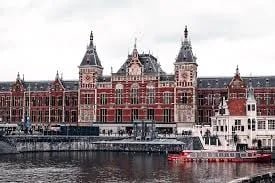
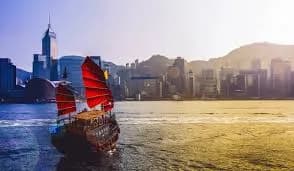
On a crisp morning in Amsterdam, Josh watched a small multinational team go quiet as a private canal boat slid beneath an arched bridge. That brief hush—equal parts cultural awe and team recognition—became the starting point for an argument he would make often: Amsterdam is where business ideas breathe. This post explores why DMC Amsterdam matters, how local Destination Management expertise turns logistics into moments, and which experiences reliably translate incentives into measurable engagement.
1) Why Amsterdam Works for Corporate Incentives
Amsterdam is a strong choice for Corporate Incentives because it combines culture, easy movement, and reliable business services in one compact city. Research insights highlight that Amsterdam’s cultural depth and modern infrastructure make it ideal for incentive programs, while top attractions can also serve as high-impact venues. A DMC Amsterdam (or a trusted Netherlands DMC) uses this mix to build programs that feel smooth for planners and special for participants.
UNESCO Canals and Walkable Neighborhoods That Keep Groups Connected
The city’s UNESCO-listed canal belt creates a ready-made backdrop for networking and celebration. It also reduces travel time between hotels, restaurants, and activities, which helps groups stay on schedule without feeling rushed. Areas like the Nine Streets (De Negen Straatjes) work well as “low-friction” meeting zones—ideal for relaxed team time, boutique shopping, and café stops between sessions. DMC-led City Tours can be designed as guided walks, bike routes, or themed canal experiences that keep everyone engaged while moving through the city.
Museum Visits That Become Private, High-Impact Experiences
Amsterdam’s cultural assets are globally known, but they also support premium incentive design. With the right local partners, a DMC can turn standard Museum Visits into exclusive moments, such as private guided access or curated storytelling that matches company values.
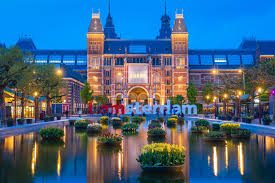
- Rijksmuseum for heritage-focused evenings and art-led inspiration
- Van Gogh Museum for creativity themes and guided highlights
- Anne Frank House for reflective, meaningful group experiences
Josh, Author (January 1, 2025) — “Amsterdam blends culture and connectivity in a way that makes incentive travel feel effortless and memorable.”
Business-Friendly Venues and Year-Round Access
For groups that mix rewards with meetings, Amsterdam supports professional delivery. Venues such as RAI Amsterdam, Beurs van Berlage, and Hotel Okura offer strong conference facilities, catering options, and service standards. A mild climate and year-round accessibility make scheduling easier, while a DMC Amsterdam coordinates logistics so the focus stays on motivation, recognition, and team energy.
2) The DMC Advantage: Local Expertise & Seamless Logistics
Destination Management that matches business goals
In Amsterdam, a Destination Management partner helps companies turn a “nice trip” into a focused incentive program. A strong DMC Amsterdam team uses local insight to shape experiences around clear outcomes: creative inspiration, stronger team bonds, or well-earned leisure. This is where Destination Management becomes practical—choosing the right pace, neighborhoods, and cultural moments so the group feels the city, not just a schedule.
DMCs such as Flagship, Ovation, ZOYO, and Hosts Global (often found via resources like holland-dm and 1dmcworld) reduce risk by using proven local supplier relationships. These relationships also unlock options that are hard to book independently, such as private museum access or premium canal cruise formats.
Event Planning made simple: one team, end-to-end control
Corporate incentives create operational complexity: multiple arrivals, tight timings, VIP expectations, and brand standards. A DMC turns that complexity into curated experiences by owning the full workflow of Event Planning and on-the-ground delivery. This includes reliable Airport Transfers, coordinated transport, and contingency planning—so internal planners can focus on engagement and results.
- Venue Sourcing for meetings, dinners, and special events (from canal-side spaces to standout cultural venues)
- Luxury accommodations, conference facilities, and group tours
- Catering and dietary management across multiple locations
- Transport planning, including Airport Transfers and coach/bike logistics
- Branded experiences that reflect company values and recognition moments
Emma van der Meer, Director at Flagship Amsterdam — "A strong DMC removes friction; it turns ‘logistics’ into storytelling that supports business goals."
MICE DMC credibility and partner tiers
Buyers can also use partner labels to judge service depth and exclusivity. An MICE DMC typically signals strong MICE Services capability for meetings and incentives, while tiers like Elite Partner, Premium Partner, and Platinum Partner help identify networks with higher access, tighter quality control, and more consistent delivery. In short, Destination Management is not only local knowledge—it is dependable execution at scale.
3) Signature Experiences: The Top 10 Things to Do (and Why They Work)
Amsterdam stands out for incentives because culture and canals are easy to access, and a strong DMC network can unlock VIP moments. As Lars de Vries, Head of Experiences at Ovation DMC, explains:
"A private museum tour or canal dinner is where corporate messaging meets emotion; teams leave remembering the feeling, not the schedule."
- Private Canal Cruise on classic Dutch barges or luxury Canal Boats—ideal for networking, storytelling, and skyline views on UNESCO-listed canals.
- Rijksmuseum Tours with Private Tours—high-impact cultural access, often with after-hours options that feel exclusive and calm.
- Van Gogh Museum Private Tours—teams connect through shared interpretation and emotion, which supports recognition and motivation.
- VIP canal dinner cruise—combines a hosted meal with effortless movement between landmarks, keeping groups together without rigid schedules.
- A’DAM Lookout team challenges—adrenaline and shared “firsts” build trust fast, especially for mixed departments or new teams.
- Heineken Experience—brand heritage plus interactive elements create relaxed conversation and informal networking.
- Guided bicycle tours—active exploration fits Amsterdam’s bike culture and boosts participation through light, social movement.
- Culinary team-building (Dutch cooking classes and tastings)—hands-on collaboration improves communication and creates easy wins for every personality type.
- Michelin-level dining at The Duchess—a clear “reward moment” that signals appreciation and elevates the incentive’s perceived value.
- Anne Frank House visit and time in The Nine Streets—reflection and local café culture balance high energy with meaning and downtime.
A DMC makes these experiences work by matching them to business goals and securing privileges such as private museum access and VIP cruises. For groups adding a day trip, DMCs also arrange smooth extensions to Keukenhof Gardens, Hoge Veluwe National Park, or the Wadden Sea (UNESCO).
4) Team-Building, Gala Dinners and Tailor-Made Programs
Team Building that strengthens communication
In Amsterdam, a skilled DMC turns Team Building into a clear business tool, not just a fun add-on. Tailored activities are designed to improve communication, trust, and problem-solving while using the city’s compact layout to keep timing smooth. As Sofie van Loon, Head of Corporate Programs at Hosts Global, explains:
"Tailor-made team-building in Amsterdam blends culture and challenge; the city’s compactness lets planners layer activities over a single afternoon or an entire week."
Popular formats mix culture with friendly competition, helping teams connect in a natural way.
- Cheese workshops with guided tasting and team challenges
- Dutch cooking classes that build collaboration through shared tasks
- Scavenger hunts across canals and key districts, including the Nine Streets
- Citywide competitive challenges, including options at A’DAM Lookout
Gala Dinners and high-end reward moments
Gala Dinners remain a top reward mechanism for high performers, and Amsterdam offers settings that feel exclusive without being hard to manage when a DMC handles access, timing, and guest flow. Programs often combine Luxury Accommodations with standout evening events, such as a private canal arrival or a venue takeover.
- Michelin-starred dining at The Duchess for executive-level hosting
- VIP canal dinner cruises for networking in a relaxed setting
- Windmill dinners or countryside venues for a “only in the Netherlands” gala feel
These Culinary Experiences can be matched to brand goals—formal awards, themed menus, or chef-led storytelling.
Sustainability Events and inclusive planning for 2026
For 2026, Sustainability Events and inclusive design are rising decision factors. DMCs increasingly propose Green Key certified venues, low-impact transport plans (walking, cycling, electric coaches), and citywide multi-venue solutions that reduce transfers while improving choice. Technology is also added where useful—digital check-ins, live polling, and simple event apps—to support smoother participation for diverse groups.
5) Technology, Measurement and Post-Event Evaluation (the Invisible ROI)
Digital tools that improve Event Planning and Destination Management
Modern Event Planning for Amsterdam incentives often starts online, where digital platforms help organizers find the right Destination Management partner. These sites typically offer global search directories, location-based services, and user accounts that let planners save shortlists, compare options, and manage conversations in one place. This “matchmaking” layer reduces time spent on vendor research and helps teams move faster from ideas to confirmed programs—whether the goal is a private canal cruise, a museum buyout, or a tailored team activity.
Analytics, security, and User Experience behind the scenes
Strong User Experience depends on reliable performance, safe browsing, and clear data. Industry-standard integrations such as Cloudflare (security and performance), HubSpot (marketing and engagement tracking), Sourcebuster (attribution), WordPress (content management), and Dynatrace (performance monitoring) support these goals. They also enable responsible cookie management, personalization, and traffic analysis. In practice, this means organizers can understand what content is most useful, which pages drive inquiries, and where users drop off—turning website behavior into actionable Analytics that improves the planning journey.
Sofia Koster, Digital Lead at Hosts Global — "Good data keeps an event honest: what people remember correlates directly with measured engagement and follow-up insights."
Post-event feedback and the “invisible ROI”
The most valuable measurement happens after the last dinner toast. A DMC in Amsterdam supports structured Post-event feedback by collecting participant insights, reviewing attendance and engagement signals, and comparing outcomes to the original business goals. This evaluation connects the full service flow—pre-event planning → event delivery → post-event feedback—so organizations can see what truly worked: which experiences built stronger connections, which logistics reduced friction, and which moments created lasting recall.
By combining on-the-ground observations with survey results and engagement data, the DMC can recommend clear improvements for future incentives, from pacing and group sizes to venue choices and communication timing. This is the “invisible ROI”: not only a memorable Amsterdam program, but a repeatable model that gets smarter, more efficient, and more impactful each time.
.jpg&w=256&q=75)