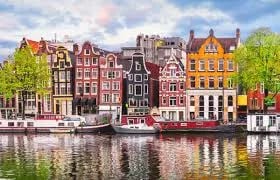
A planner once stood on an Amsterdam canal bridge at dusk, watching a private boat slip beneath the arches while a small corporate group toasted a year of wins. That memory—equal parts logistics, surprise and design—captures why many organizations turn to a Destination Management Company. This outline explores, in a measured and practical tone, how a DMC in the Netherlands turns those fleeting moments into repeatable, strategic corporate incentives.
Local Expertise & Seamless Planning
As Josh noted in the January 1, 2025 review, a Destination Management Company brings on-the-ground Dutch knowledge that turns ambitious ideas into reliable schedules. For Netherlands corporate incentives, this matters because small details—transfer times, museum entry rules, and local etiquette—can affect the whole group experience. A DMC Netherlands team understands how cities like Amsterdam flow during peak hours, how long it really takes to move a group from a hotel to a private canal cruise dock, and what is considered polite and professional at venues.
“Local knowledge turns an itinerary into an experience—timing, vendor relationships and cultural cues matter.”
Sofie van Rijn, Senior DMC Director
What a DMC handles behind the scenes
- Airport transfers with coordinated meet-and-greet, luggage timing, and backup routing
- Venue reservations for high-demand sites such as the Rijksmuseum and Van Gogh Museum
- Permits and access for group movements, filming, or special entries when required
- Local traditions and etiquette, including dining pace, greetings, and expectations at historic venues like Kasteel de Haar
- Canal logistics for Amsterdam, aligning boarding locations, catering delivery, and weather-ready options
A quick example: avoiding a Rijksmuseum schedule clash
One corporate planner built a tight afternoon around a private Rijksmuseum visit, followed by a hosted dinner. A last-minute change in museum capacity threatened to push the group into a public peak slot. The Destination Management Company used an inside local contact to confirm real-time entry windows and shifted the transfer by minutes—not hours—so the group kept its private timing and avoided overlap with another large booking. That kind of local coordination helps teams focus on engagement, not operational fixes.
Customization: Curated Experiences for Every Objective
In Corporate incentive travel, the best results come when every moment supports a clear business goal. A Netherlands-based DMC builds tailor-made programs that match the company’s culture, audience, and success measures—whether the priority is rewarding top performers, strengthening client ties, or improving collaboration. As Josh, Travel Writer, notes:
"Customization is the DMC's superpower—two clients rarely get the same Dutch experience."
Luxury rewards, client entertainment, or Team building Netherlands tracks
A DMC can design distinct tracks within one itinerary. High achievers may receive premium access and high-touch service, while leadership groups focus on relationship-building, and wider teams join structured activities that encourage shared wins. The Netherlands makes this easy because art, history, food, and outdoors options sit close together and run smoothly with local planning.
Signature Dutch experiences that can be shaped to fit KPIs
- Private canal cruise Amsterdam for networking, hosted talks, or milestone celebrations with curated catering.
- Private Rijksmuseum and Van Gogh Museum tours, timed for VIP entry, guided themes, and small-group pacing.
- Cooking classes with Michelin-star chefs, designed as competitive cook-offs or collaborative kitchen teams.
- Private dinners at Kasteel de Haar, ideal for executive hosting and memorable recognition moments.
- Countryside programs for Team building Netherlands, such as cycling routes through tulip fields or farm-style challenges.
- Private bike tours in Amsterdam, tailored to “hidden gems,” innovation stories, or cultural highlights.
Personalization can also support sustainability goals
Customization is not only about luxury. A DMC can align choices to sustainability targets by prioritizing bikes and rail, selecting local suppliers, and building schedules that reduce transfers—while still delivering exclusive access through trusted museum, chef, and venue relationships.
Top 10 Activities for Corporate Incentives (Netherlands)
A Netherlands-based DMC can shape incentives that suit mixed-interest groups by blending art, history, gastronomy, nature, and recovery time. Most options work as an intimate executive reward or a high-energy large-group program, with private upgrades that keep the experience smooth and exclusive.
- Private canal cruise Amsterdam — A premium setting for networking, with curated catering and branded moments onboard.
- Private Rijksmuseum tour — Early access or expert-led routes help groups see key works efficiently, even on tight schedules.
- Exclusive dinner at Kasteel de Haar — A castle banquet creates a “once-in-a-career” feel for top performers and VIP clients.
- Dutch countryside team-building — Cycling, farm challenges, or outdoor problem-solving builds trust in a relaxed landscape.
- Private wine tasting in Limburg — Local sommeliers guide tastings with regional pairings, ideal for client hosting.
- Kinderdijk 19 windmills (UNESCO) guided visit — A strong heritage stop that also fits photo-friendly group pacing.
- Cooking class with Michelin-star chefs — Hands-on teamwork plus a shared meal; great for cross-department bonding.
- Private bike tour in Amsterdam — A classic Dutch experience that can be tailored to landmarks, hidden streets, or foodie stops.
- Private Van Gogh Museum tour — A focused cultural highlight that works well for both executives and larger delegations.
- Luxury spa days — Personalized treatments support recovery after active programs and long travel days.
Marcel Jansen, Cultural Program Director: "Kinderdijk's 19 windmills give corporate groups a sense of place that few sites can match."
Smart pairings: a Rijksmuseum or Van Gogh Museum visit followed by a nearby private dinner; a private bike tour followed by a spa session for wellness recovery.
.jpeg)
Budgeting, Tax Awareness & Value (Practical Numbers)
Why a DMC can be cost-efficient
A Netherlands DMC often lowers total spend even after its fee. It can secure preferential hotel and transport rates, bundle experiences (for example, a private canal cruise in Amsterdam plus catering), and negotiate venue access that is hard to price from abroad. Just as important, on-site oversight helps prevent “small” extras—last-minute coach changes, overtime at Kasteel de Haar, or museum staffing surcharges at the Rijksmuseum—that can quietly inflate invoices.
Tax Plan 2026: budget impact is real
Tax-aware planning matters because incentives can become taxable benefits in kind, changing the after-tax value for participants and the employer’s payroll cost. As Anke de Boer, Corporate Tax Consultant, notes:
“Understanding the 30% Ruling and 2026 tax changes helps planners estimate the after-tax value of incentive rewards.”
| Item (NL) | Practical number for budgeting |
|---|---|
| 30% Ruling | Stays 30% in 2025–2026; projected 27%€48,013 (standard), €36,497 (under-30 with master’s). |
| WNT cap (executive reward ceiling) | €246,000 (2025) rising to €262,000 (2026). |
| Income tax brackets (2026) | 35.7% up to €39,357; 37.56% up to €79,137; 49.5% above. |
| Tax Credits via WBSO 2026 | 36% on first €380,000 R&D costs; 16% above; 50% |
Practical planning tip (VAT + allowances)
Before contracting, the company should review VAT treatment and payroll implications with both the DMC and corporate tax counsel. Also note the ETK scheme is scaled back in 2026 (removing deductions for living and telephone costs), which can affect how travel allowances are modeled in the event budget.
Technology, Privacy & Vendor Networks
Fast matching with DMC Netherlands platforms
For Corporate incentives, speed and accuracy matter. A modern DMC Netherlands platform often uses geolocation, advanced search, and clear service matrices to match a group with the right hotels, meeting space, transport, and experiences. Account management tools keep guest lists, preferences, and approvals in one place, which helps planners build and adjust itineraries for Netherlands 2026 programs without long email chains.
Privacy, cookies, and secure booking portals
DMC websites and portals typically rely on analytics, security, and consent tools to run smoothly and safely. Common third-party services include Google, Google Analytics, Google Tag Manager, Google reCAPTCHA, Akamai, Microsoft ASP.NET, HubSpot, Dynatrace, YouTube, and WordPress. These tools support performance tracking, session management, form protection, and marketing workflows. Many sites also offer consent preferences and social sharing (Facebook, Twitter), so users can control what is collected and why.
Lena Hofstra, Head of Digital at a DMC: "Secure tech and clear privacy choices build trust—especially when handling executive travel data."
| Platform feature | Why it helps incentives |
|---|---|
| Geolocation | Find nearby venues and reduce transfer time |
| Service matrices | Compare options (luxury, team-building, wellness) fast |
| reCAPTCHA + session tools | Protect booking and inquiry forms |
Vendor networks that unlock “not public” access
Technology supports planning, but vendor networks create the wow factor. Through trusted local partners, a DMC can secure private canal boats in Amsterdam, cooking classes with Michelin-star chefs, exclusive dinners in castles like Kasteel de Haar, and curated tastings with regional sommeliers in Limburg—often with better timing, smoother logistics, and clearer service standards than public booking routes.
Execution, Services & Peace of Mind (Case Study)
How a Destination Management Company keeps Corporate incentives on track
A Destination Management Company in the Netherlands is often chosen for one reason that matters most during Corporate incentive travel: stress-free execution. Instead of asking internal teams to juggle suppliers, timing, and local rules, the DMC runs the program end to end and manages issues in real time. That means planners and executives can stay present with guests, focus on recognition, and measure outcomes like motivation and client connection.
Full-service support that protects the experience
On the ground, a DMC can bundle the practical services that usually create risk: airport transfer coordination, translation and visa support, conference and convention bureau partnerships, executive floor services, and private air charters for tight schedules. It can also add purpose-built experiences—golf, fashion, and art tours, plus wellness activities—so the same partner can scale from an executive reward dinner to a large-team adventure day without changing standards.
Mini case study: three days in Amsterdam, zero friction
In one three-day program designed for 40 top performers, the DMC built a simple flow with high impact. Day one opened with a private canal dinner in Amsterdam, timed around arrivals and dietary needs. Day two featured a private viewing at the Van Gogh Museum, followed by a short transfer plan that kept the group together and on schedule. Day three moved outside the city for countryside team cycling, with route support, safety coverage, and weather-ready alternatives prepared in advance. The result was a seamless agenda—no missed transfers, no venue confusion, and no last-minute scrambling.
“When logistics are handled, the real value shows: stronger teams, better client bonds and lasting memories.”
Pieter van Dijk, Corporate Events Manager
For companies designing Dutch Corporate incentives, this is the real promise: a program that feels effortless to participants because professionals are quietly protecting every detail behind the scenes.
.jpg&w=256&q=75)