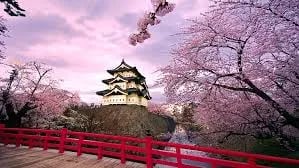

A short, human-flavored opening that begins with a personal anecdote: the author (Josh) recalls arriving at a quiet ryokan in Hakone on January 7, 2025, where a discreet DMC-arranged shuttle, an English-speaking host, and a private onsen set the tone for the entire trip. From that foothold the outline explores why Destination Management Companies are indispensable for Luxury Japan tours — blending tradition, Michelin dining, private access, and modern logistics into unforgettable experiences.
1) Why a DMC Matters for Luxury Japan
Luxury Japan rewards travelers who want both quiet tradition and bold modern life—but it can be hard to plan at a high level. Language barriers, strict booking rules, and subtle cultural etiquette can turn “luxury” into stress. A January 7, 2025 guide by Josh highlights five core DMC benefits, noting that a specialist partner is often what makes a trip feel truly personal and smooth.
Josh, Author (Jan 7, 2025): “For discerning travelers, a DMC is the difference between seeing Japan and inhabiting it.”
Insider access with a Private Guide and local networks
DMCs unlock exclusive experiences otherwise unavailable to the public by using trusted relationships. With the right Private Guide, guests can join private tea ceremonies in Kyoto, access behind-the-scenes Tokyo galleries, and secure stays in exclusive ryokans that rarely accept new requests.
Satoshi Tanaka, Founder of Kyoto Elite DMC: “Access is not just VIP seats; it’s curated context—stories, people and timing.”
Tailored Itineraries built around personal interests
High-end travelers do not want a standard route. DMCs design Tailored Itineraries based on specific goals—Michelin-star dining, contemporary art on Naoshima, wellness and onsen time in Hakone, or off-the-beaten cultural immersion in smaller towns. Timing, pacing, and privacy are planned as carefully as the highlights.
Hassle-free execution: logistics, etiquette, and problem solving
Luxury in Japan depends on precision. DMCs handle transfers, hard-to-get reservations, and etiquette briefings (for temples, ryokans, and fine dining). If weather, rail changes, or venue rules shift, on-the-ground teams adjust quickly so the day stays seamless.
Multilingual support plus Luxury Accommodations and transport
Multilingual and logistics support reduce friction at elite and remote venues, where English may be limited. DMCs also secure Luxury Accommodations and premium transport, including chauffeured limousines, private jets, and even private Shinkansen bookings for wealthy clients.
- Five core benefits (Josh, Jan 7, 2025): insider access, tailored planning, logistics, multilingual support, luxury stays and transport.
2) Ten Pinnacle Luxury Experiences (Curated Examples)
Japan’s top-tier trips often depend on timing, etiquette, and hard-to-get reservations. A DMC helps secure Private Tours, premium transport, and rare access—especially in peak seasons like spring blossoms and autumn colors.
Emma Reid, Luxury Travel Editor, Inspirato: "The best moments in Japan often happen off schedule—arrange them through a DMC."
Ryokan Experiences, Michelin Dining, Mount Fuji & Naoshima: 10 curated picks
- Hakone ryokan stay: private onsen, kaiseki meals, and calm mountaintop views—ideal for wellness retreats.
- Kyoto temple Private Tours: guided visits to Kinkaku-ji and Ryoan-ji, sometimes with off-hours entry arranged in advance.
- Michelin Dining in Tokyo: DMC contacts help confirm counter seats and seasonal tasting menus.
- Exclusive Kyoto Tea Ceremony: a private ritual with a tea master in a historic setting, with etiquette support.
- Ginza luxury shopping: personal shopper planning, boutique appointments, and tax-free support.
- Helicopter over Mount Fuji: weather-checked flight windows and VIP transfers for a clear aerial view.
- Okinawa private villas: beachfront stays with infinity pools, diving, and discreet service.
- Naoshima art immersion: curated museum routing and an art-focused stay at Benesse House.
- Private sushi masterclass: hands-on training with a skilled chef, matched to dietary needs.
- Seto Inland Sea yacht charter: island hopping, quiet coves, and tailored dining on board.
Keiko Matsumoto, Head Concierge at Four Seasons Tokyo: "Reservations for top kaiseki services fill months ahead; DMC relationships are essential."
Practical aside: seasonality and reservation windows matter. Many Ryokan Experiences and Michelin Dining bookings open months ahead. For added depth, some itineraries also include Ryokan Ohana in Fukuoka, noted as a nationally designated scenic beauty.
3) The DMC Ecosystem: Services, Destinations & Partnerships
Luxury Japan Tours rely on more than great guides. They depend on a full DMC ecosystem that connects Luxury Accommodations, transport, venues, and trusted local experts into one smooth plan. This matters in Japan, where language, etiquette, and limited inventory can make even simple bookings complex.
Service Range: From Concierge to Corporate
DMCs work in a dual role: direct-to-guest concierge support and B2B delivery for agencies, brands, and event planners. This widens access to rare reservations and high-demand spaces while keeping Tailored Itineraries consistent across every city.
- Concierge and on-the-ground hosts for Private Experiences
- Airport Transfer, Car Rental, and chauffeured transport
- Luxury Hotel sourcing and upgrades for standout Luxury Accommodations
- MICE, Ball Room, and Corporate Connections for meetings and incentives
- Adventure Tours, Beach Holidays, and Airline coordination
- Weddings, Wellness, Security, plus Migration and Visa support
Global Network, Seamless Partnerships
Many DMCs operate inside international networks spanning Abu Dhabi, Paris, Brunei, Mexico, and Japan. This makes multi-country routing easier, with shared standards for service, contracts, and guest care.
Hiroshi Nakamura, Director, Global DMC Network: "A robust partner ecosystem turns single-country prowess into a multi-destination promise."
Premium Tiers That Unlock Inventory
Premium partnership programs—such as Platinum Partner and Pro Partner Promotion—create extra channels for priority space, elite venues, and event-ready locations.
Josh, Author: "Premium partner tiers mean more than perks—they translate into exclusive availabilities for clients."
.jpeg)
4) Practical Planning: Costs, Itineraries & Data-backed Picks
Cost benchmarks for Luxury Tours in Japan 2026
For planners building Tailored Itineraries, a clear benchmark helps set expectations before upgrades and special access are added. High-end operators like Geluxe show a useful range: $564–$690 per day, often covering premium hotels, select ryokans, and curated cultural access (such as private shrine or temple moments when available). As Josh (author, Jan 7, 2025) notes, benchmarks guide the plan, but partner relationships often decide what feels truly “luxury.”
| Data point | What it suggests |
|---|---|
| Geluxe benchmark | $564–$690 per day for high-end pacing and inclusions |
| TourRadar (2026/2027) | 34 luxury Japan tours with 74 customer reviews |
Popular packaged options (easy wins for families)
Many travelers start with a structured base, then ask a DMC to refine it. A common example is a 6-day luxury family tour using 4-star hotels plus a private chauffeur, with add-ons like omakase sushi, rickshaw rides, and timed entries that reduce waiting.
- Best for: first-time visitors who want comfort and speed
- Typical upgrades: ryokan night, private tea ceremony, Michelin reservations
Japan 2026 itinerary trends: beyond the “Golden Route”
Alicia Moreno, Product Manager at TourRadar: “Traveler interest in off-beaten luxury Japan has risen for 2026 bookings.”
Demand is growing for quieter, high-touch regions like Fukui, Kanazawa, and Miyazaki, often paired with art, craft, and wellness. “Mystical & Modern Japan” style packages also highlight the Bullet Train with strong English guiding—useful when language barriers could limit access.
How DMCs price Tailored Itineraries
- Start with per-day benchmarks and partner rates.
- Adjust for season, room category, and exclusivity (private guides, closed-door visits).
- Lock logistics early (top ryokans, omakase counters, limited museum slots).
5) Website Tech & Privacy: Cookies, Brands and What They Mean for Travelers
Planning Luxury Japan trips often starts online, where travelers share dates, tastes, and special requests. To support Seamless Logistics and protect forms from abuse, the site uses cookies from major providers including HubSpot, WordPress, Google Recaptcha, Microsoft ASP.NET, Akamai, Sourcebuster, Google Analytics, Google Tag Manager, Dynatrace, and YouTube. These tools help personalize pages, measure performance, and block bots—important for an Award Winning service experience, but also important for Privacy choices.
Cookie types travelers may see
- Session tracking & personalization:
__hstc,hubspotutk,elementorhelp remember visits and page settings. - Security / bot management:
_GRECAPTCHAandak_bmscreduce spam and automated attacks. - Analytics & marketing measurement:
ga_*,gcl_ausupport traffic reporting and ad attribution. - Consent management:
cookieyes-consent - Performance monitoring:
dtCookie - Embedded video:
YSC,VISITOR_INFO1_LIVE
Why duration matters for consent
Cookie lifetimes range from session-only to up to two years. Longer durations can improve convenience (like saved preferences), but they also affect how long identifiers remain on a device—so clear opt-in and easy settings are key.
Mika Hayashi, Privacy Officer at a Tokyo hospitality group: "Clear cookie policies build trust—especially when tailoring luxury experiences online."
Josh, Author: "Cookies power conveniences like saved preferences but must be handled with consent and clarity."
Travel advisors collecting client preferences through web forms should explain what data is captured, which cookies support it, and how travelers can adjust consent before sharing sensitive trip details.
6) Practical Tips, Tangents & a Short Sample Day (Human Bits)
Booking windows (and why a DMC matters)
Luxury Japan planning is often won or lost on timing. For Michelin-starred dining, limited-seat counters, and Authentic Ryokans with only a few suites, the recommended lead time is 3–6 months. A strong DMC can sometimes place early holds, watch for cancellations, and align transport so guests are not rushing between “must-dos.” This is also where Private Experiences feel truly private: the right guide, the right hour, the right room.
A small tangent: the delayed Shinkansen that saved the day
One itinerary looked perfect on paper—until a Shinkansen delay pushed a couple off their planned connection. Instead of forcing a stressful reroute, the DMC’s driver met them at the next stop and suggested a nearby morning market. They tried warm taiyaki, bought a hand-thrown cup from a local potter, and arrived in Kyoto slightly late but oddly happier. As Keiko Matsumoto, Four Seasons Tokyo Concierge, notes:
“Flexibility and a good sense of humor are essential when the unexpected happens.”
That unpredictability is real; the luxury is having support that absorbs the friction and still leaves room for serendipity.
Wild card: “Can we do a Michelin chef sushi masterclass this week?”
Sometimes a client asks for a private sushi masterclass on short notice. A DMC may need to rework a full day—moving a museum slot, shifting a driver window, even swapping dinner nights—to secure the chef and keep the trip balanced with downtime, including a quiet moment of Zen Meditation.
A short sample day in Kyoto (simple, human, doable)
Morning begins with a private temple tour before crowds, with time to sit in stillness and breathe. Afternoon brings an intimate tea ceremony in a historic townhouse—unhurried, a little awkward at first, then calming. Evening is kaiseki, paced like a story. Later, a chauffeur transfer glides to a ryokan for check-in, slippers, and a final soak. As Josh, author (Jan 7, 2025), puts it:
“Some of the best discoveries are unplanned—treat detours as part of the luxury narrative.”
.jpg&w=256&q=75)